THE ADVENTURE COLLECTIVE® · Independent discovery and booking for outdoor travel

Venture from Hue into Phong Nha–Ke Bang to walk inside one of Asia’s longest dry caves. This full-day tour combines geological spectacle, short cultural stops and a hands-on cave visit suitable for travelers with moderate fitness.
Venture from Hue into Phong Nha–Ke Bang to walk inside one of Asia’s longest dry caves. This full-day tour combines geological spectacle, short cultural stops and a hands-on cave visit suitable for travelers with moderate fitness.
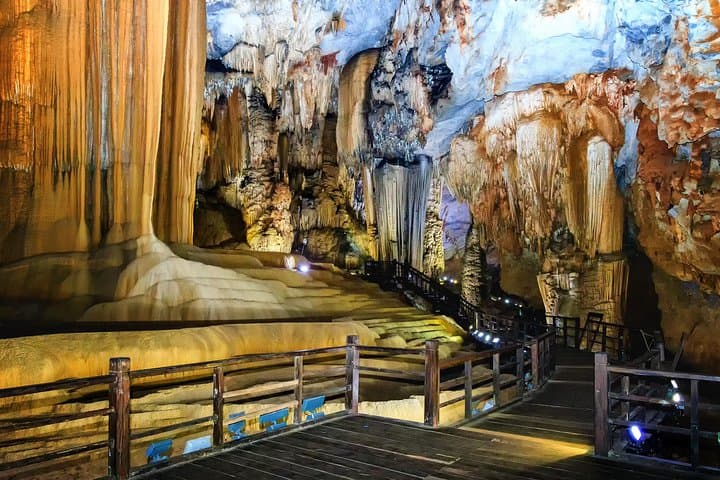
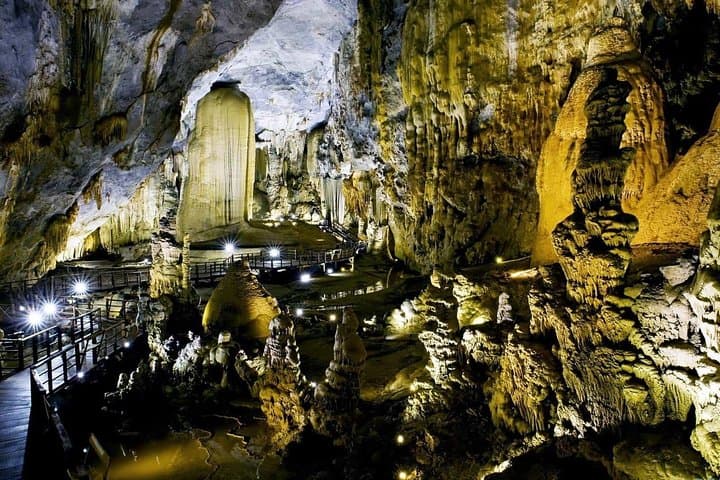
You step off the air-conditioned coach into humid karst country where limestone walls rise like folded maps. The road narrows, forest breathes closer, and the track to Paradise Cave leads you through green that seems to push toward the entrance. Inside, the cave opens into a vast chamber—ceilings lift 60–80 meters above you, and columns of mineral glass catch whatever light the electric cars and lamps bring with them.
Verified experiences and guided adventures in the surrounding area.
Operated by GADT Travel · Phong Nha, Quang Binh
You step off the air-conditioned coach into humid karst country where limestone walls rise like folded maps. The road narrows, forest breathes closer, and the track to Paradise Cave leads you through green that seems to push toward the entrance. Inside, the cave opens into a vast chamber—ceilings lift 60–80 meters above you, and columns of mineral glass catch whatever light the electric cars and lamps bring with them.
Phong Nha–Ke Bang is a geological archive: layers of limestone laid down over 400 million years have been carved into passages and chambers by rivers that still whisper through the rock. Paradise Cave (Hang Thiên Đường), first mapped by British cavers in 2005, stretches more than 31 kilometers and is counted among Asia’s longest dry caves; its draperies, stalactites and stalagmites form sleeves and pillars that feel as if the mountain itself is growing inside.
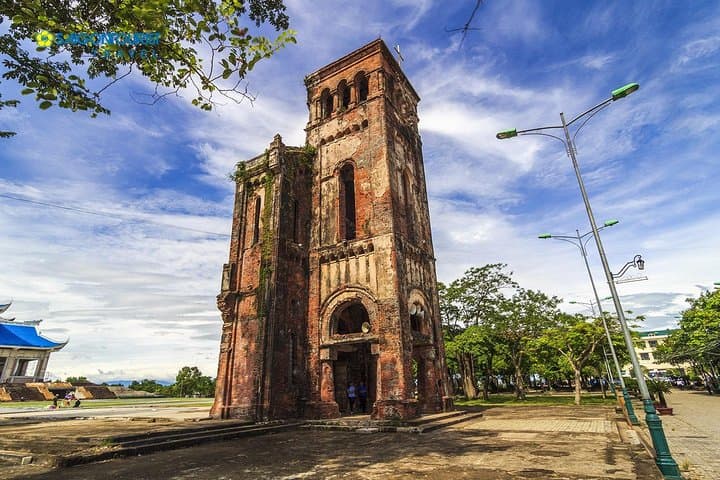
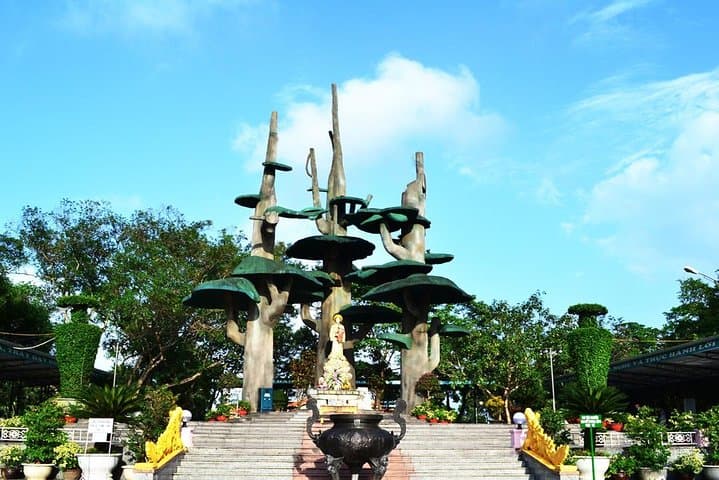
Culturally, the route from Hue traverses wartime borders and rural villages—stops often include the Ben Hai river and La Vang church—linking natural spectacle to Vietnam’s layered history.
Practical guidance: this full-day trip includes hotel pickup early morning, transfers by A/C bus, an electric vehicle to the cave trailhead and a moderate walk on paved steps and uneven stone. Wear sturdy walking shoes, bring a light layer—the cave stays cool—and carry cash for extras. Expect 10–14 hours away from Hue depending on traffic; moderate fitness and steady footing make the experience easier. Keep to paths, avoid touching formations and plan for humid, tropical weather when packing.
moderate.
12 hours.
Moderate fitness—able to walk several kilometers over stairs and uneven ground and tolerate a long day on the road.
This is a full-day excursion—pickup from Hue is typically early morning (around 6:00–6:30) with return in the evening; total time away from Hue can be 10–14 hours depending on traffic.
The internal walk is moderate—paved trails and steps lead into the main chamber, but there is uneven terrain; travelers should have a moderate fitness level and take care on wet surfaces.
Yes—photography is allowed, though lighting inside is limited; bring a camera with good low-light performance or use your phone with a stable hand or small tripod.
Children can join but operators often have specific age/pricing rules; infants may need to sit on laps and younger children should be supervised on stairs and near ledges.
Phong Nha–Ke Bang’s karst was uplifted over millions of years and the park is a UNESCO World Heritage Site; several caves were mapped by international teams, with Paradise Cave documented by British cavers in 2005.
The karst ecosystem is fragile—stick to marked paths, don’t touch cave formations, and pack out any trash to help preserve the limestone features and local biodiversity.
GADT Travel operates guided outdoor trips and adventures with an emphasis on safety, stewardship, and memorable experiences.
You step off the air-conditioned coach into humid karst country where limestone walls rise like folded maps. The road narrows, forest breathes closer, and the track to Paradise Cave leads you through green that seems to push toward the entrance. Inside, the cave opens into a vast chamber—ceilings lift 60–80 meters above you, and columns of mineral glass catch whatever light the electric cars and lamps bring with them.
You step off the air-conditioned coach into humid karst country where limestone walls rise like folded maps. The road narrows, forest breathes closer, and the track to Paradise Cave leads you through green that seems to push toward the entrance. Inside, the cave opens into a vast chamber—ceilings lift 60–80 meters above you, and columns of mineral glass catch whatever light the electric cars and lamps bring with them.
Phong Nha–Ke Bang is a geological archive: layers of limestone laid down over 400 million years have been carved into passages and chambers by rivers that still whisper through the rock. Paradise Cave (Hang Thiên Đường), first mapped by British cavers in 2005, stretches more than 31 kilometers and is counted among Asia’s longest dry caves; its draperies, stalactites and stalagmites form sleeves and pillars that feel as if the mountain itself is growing inside.
Culturally, the route from Hue traverses wartime borders and rural villages—stops often include the Ben Hai river and La Vang church—linking natural spectacle to Vietnam’s layered history.
Practical guidance: this full-day trip includes hotel pickup early morning, transfers by A/C bus, an electric vehicle to the cave trailhead and a moderate walk on paved steps and uneven stone. Wear sturdy walking shoes, bring a light layer—the cave stays cool—and carry cash for extras. Expect 10–14 hours away from Hue depending on traffic; moderate fitness and steady footing make the experience easier. Keep to paths, avoid touching formations and plan for humid, tropical weather when packing.