THE ADVENTURE COLLECTIVE® · Independent discovery and booking for outdoor travel

Combine sea, desert and a taste of Peruvian pisco on a single-day loop from Lima. From Ballestas Islands wildlife to Huacachina’s dunes and winery tastings, expect a fast-paced day of boat rides, sand buggies and open-air views.
Combine sea, desert and a taste of Peruvian pisco on a single-day loop from Lima. From Ballestas Islands wildlife to Huacachina’s dunes and winery tastings, expect a fast-paced day of boat rides, sand buggies and open-air views.
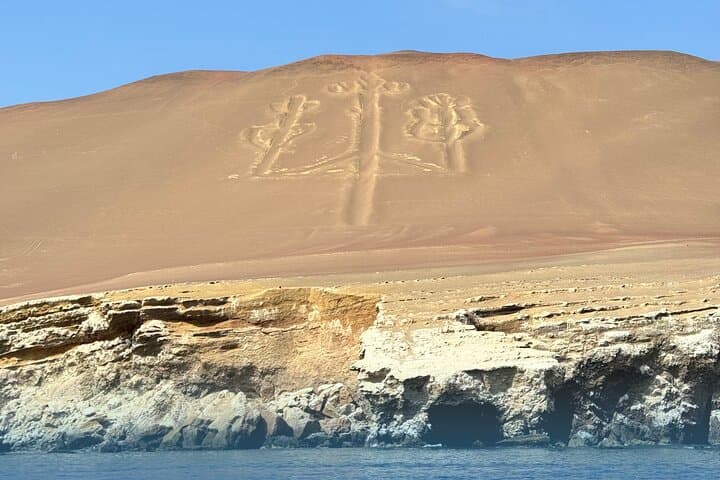
You leave Lima before dawn and the highway slides open beneath the bus — a long ribbon toward sea and sand. By midmorning the Pacific has a hard, salt-bright edge; the slider cuts across glassy water and the Candelabra geoglyph appears like a carved grin on the peninsula.
Verified experiences and guided adventures in the surrounding area.
Operated by Blue Explorer · Paracas, Ica
You leave Lima before dawn and the highway slides open beneath the bus — a long ribbon toward sea and sand. By midmorning the Pacific has a hard, salt-bright edge; the slider cuts across glassy water and the Candelabra geoglyph appears like a carved grin on the peninsula.
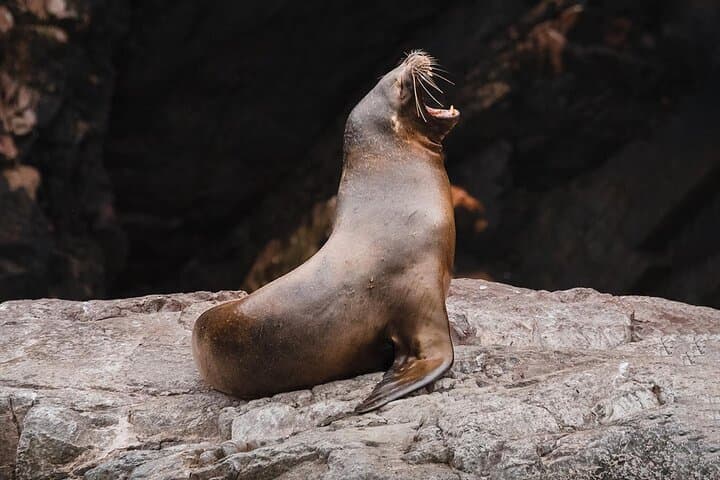
The Ballestas Islands are low, wind-sculpted stacks where sea lions lounge and guanay guano birds wheel. Geology here is coastal sediment thrust and eroded by wind and wave, exposing layers that host colonies of wildlife. Later, in Ica, the desert changes temperament: dunes rise like living hills and the oasis of Huacachina springs from an underground water source that sustained local agriculture for centuries. The region’s pisco and wine culture grew from that irrigation — vineyards clinging to dry soils and wineries that distill a spirit central to Peruvian identity.
Expect a full day of contrasts: a 1–2 hour boat ride with viewing from open sliders, a winery visit with tasting, then dune runs by tubular buggy and a chance to sandboard. Surfaces vary from choppy sea spray to soft, shifting sand; pack accordingly.
Practical notes: take motion-sickness meds if you’re sensitive, use layered sun protection, secure loose items on the boat, and bring cash for market purchases. Tours commonly include entrance fees and transport; pick a morning start to avoid afternoon heat in the dunes. The day moves fast — hydrate early and plan for a lively mix of wildlife watching, cultural tasting, and high-adrenaline desert terrain.
moderate.
10–12 hours.
Moderate fitness: able to embark/disembark boats, handle bumpy rides in buggies, and stand during short wildlife viewing sessions.
Most operators schedule roughly 10–12 hours including transport to Paracas, the boat tour, winery visit, and Huacachina activities.
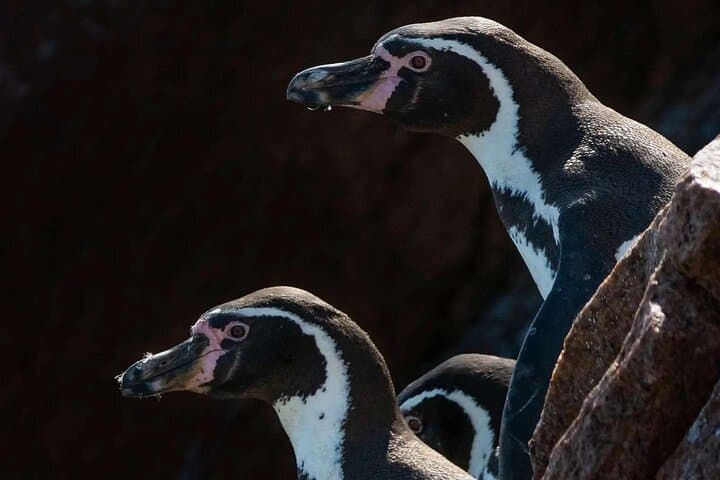
Yes — expect sea lions, guanay and cormorant colonies and sometimes Humboldt penguins from a respectful distance off the boat.
No — guides usually offer instruction and you can start on gentler slopes; confidence improves quickly with a few runs.
The trip is physically easy overall but not recommended for those with serious back or heart conditions; infants must sit on laps and mobility is limited on boats and dunes.
The Candelabra geoglyph predates modern settlement and sits on the Paracas Peninsula, an area with pre-Columbian archaeological significance that fed later colonial viticulture.
Ballestas Islands are part of a maritime reserve that restricts landings to protect breeding colonies; stick to viewing guidelines and avoid flash photography near wildlife.
Blue Explorer operates guided outdoor trips and adventures with an emphasis on safety, stewardship, and memorable experiences.

You leave Lima before dawn and the highway slides open beneath the bus — a long ribbon toward sea and sand. By midmorning the Pacific has a hard, salt-bright edge; the slider cuts across glassy water and the Candelabra geoglyph appears like a carved grin on the peninsula.
You leave Lima before dawn and the highway slides open beneath the bus — a long ribbon toward sea and sand. By midmorning the Pacific has a hard, salt-bright edge; the slider cuts across glassy water and the Candelabra geoglyph appears like a carved grin on the peninsula.
The Ballestas Islands are low, wind-sculpted stacks where sea lions lounge and guanay guano birds wheel. Geology here is coastal sediment thrust and eroded by wind and wave, exposing layers that host colonies of wildlife. Later, in Ica, the desert changes temperament: dunes rise like living hills and the oasis of Huacachina springs from an underground water source that sustained local agriculture for centuries. The region’s pisco and wine culture grew from that irrigation — vineyards clinging to dry soils and wineries that distill a spirit central to Peruvian identity.
Expect a full day of contrasts: a 1–2 hour boat ride with viewing from open sliders, a winery visit with tasting, then dune runs by tubular buggy and a chance to sandboard. Surfaces vary from choppy sea spray to soft, shifting sand; pack accordingly.
Practical notes: take motion-sickness meds if you’re sensitive, use layered sun protection, secure loose items on the boat, and bring cash for market purchases. Tours commonly include entrance fees and transport; pick a morning start to avoid afternoon heat in the dunes. The day moves fast — hydrate early and plan for a lively mix of wildlife watching, cultural tasting, and high-adrenaline desert terrain.