THE ADVENTURE COLLECTIVE® · Independent discovery and booking for outdoor travel

Travel from Larnaca to Paphos in a private, air-conditioned vehicle and spend a full day exploring Kolossi Castle, Kourion’s amphitheater, the Sanctuary of Aphrodite and the House of Dionysos. This guided excursion blends coastal geology, classical history, and local culture with convenient hotel pickup.
Travel from Larnaca to Paphos in a private, air-conditioned vehicle and spend a full day exploring Kolossi Castle, Kourion’s amphitheater, the Sanctuary of Aphrodite and the House of Dionysos. This guided excursion blends coastal geology, classical history, and local culture with convenient hotel pickup.
A morning light washes over the coastal highway as the private vehicle pulls away from Larnaca, the Mediterranean pressing against the windows like a moving map. Conversation is easy, the guide steady and local; by the time the car winds into limestone terraces you can feel the island’s layered past underfoot — Roman mosaics giving way to Crusader stone.
Verified experiences and guided adventures in the surrounding area.
Operated by taxiGo Limo Airport Service · Paphos, Paphos District
A morning light washes over the coastal highway as the private vehicle pulls away from Larnaca, the Mediterranean pressing against the windows like a moving map. Conversation is easy, the guide steady and local; by the time the car winds into limestone terraces you can feel the island’s layered past underfoot — Roman mosaics giving way to Crusader stone.
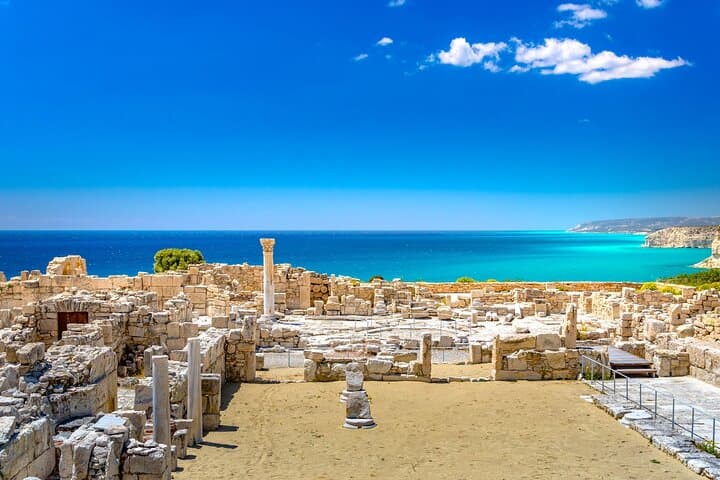
The route threads through centuries: Kolossi Castle’s compact, rubble-built keep narrates medieval sugar and crusader economies; Kourion’s amphitheater perches on a bluff, its theater still throwing sound across the scrub and sea; and the Sanctuary of Aphrodite at Kouklia reminds visitors why Paphos became a spiritual magnet in the Bronze and Classical eras. The House of Dionysos opens a floor of bright mosaics — gods and vines locked in detailed color beneath glass and caretaking ropes.
Culturally the coast has always been a meeting point of empires; geologically it’s a seam where uplifted Mesozoic limestones meet Pleistocene terraces, producing cliffs and small coves that shape viewpoints and archaeology alike. Local life threads through the day — small tavernas, coastal fishing boats, and vineyards on the hills behind the sites.
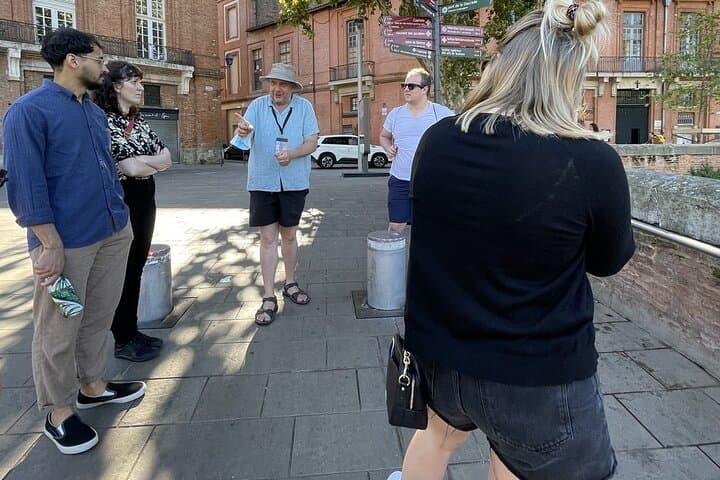
Practical guidance: expect a long, comfortable day (8–9 hours) with several short walks on uneven surfaces and staircases at archaeological sites. Wear sturdy walking shoes, sun protection and carry water; bring a camera but leave large backpacks at the hotel if possible. The timetable includes guided stops and roughly an hour of free time in Paphos center for lunch or a harbor walk.
easy.
8–9 hours.
Suitable for most fitness levels; involves repeated short walks and some stairs, so basic mobility is helpful
Admissions are not included in the standard tour price unless specified; visitors should expect to pay entrance fees at major sites like the House of Dionysos and Kourion.
Pickup and drop-off are provided at hotels or accommodations in Larnaca as part of the private transfer service.
Yes — the itinerary is described as physically easy, but some sites have uneven terrain and steps; bring a stroller alternative or mobility aid if needed for long walking stretches.
Yes — the itinerary includes approximately one hour of free time in Paphos for lunch and a short walk at the harbor or local shops.
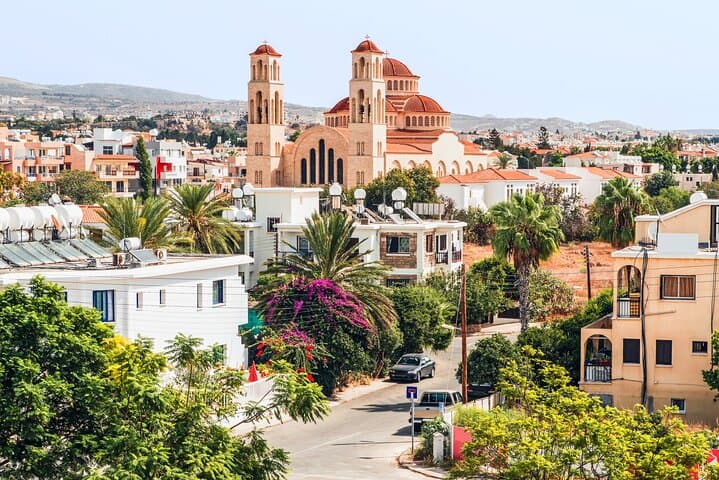
Paphos combines Bronze Age cult centers (Aphrodite’s sanctuary) with Roman urban mosaics and medieval fortifications, which is why its archaeological zones are UNESCO-listed.
Many monuments are fragile; follow designated paths, avoid touching mosaics and support local conservation by using licensed guides and services.
taxiGo Limo Airport Service operates guided outdoor trips and adventures with an emphasis on safety, stewardship, and memorable experiences.

A morning light washes over the coastal highway as the private vehicle pulls away from Larnaca, the Mediterranean pressing against the windows like a moving map. Conversation is easy, the guide steady and local; by the time the car winds into limestone terraces you can feel the island’s layered past underfoot — Roman mosaics giving way to Crusader stone.
A morning light washes over the coastal highway as the private vehicle pulls away from Larnaca, the Mediterranean pressing against the windows like a moving map. Conversation is easy, the guide steady and local; by the time the car winds into limestone terraces you can feel the island’s layered past underfoot — Roman mosaics giving way to Crusader stone.
The route threads through centuries: Kolossi Castle’s compact, rubble-built keep narrates medieval sugar and crusader economies; Kourion’s amphitheater perches on a bluff, its theater still throwing sound across the scrub and sea; and the Sanctuary of Aphrodite at Kouklia reminds visitors why Paphos became a spiritual magnet in the Bronze and Classical eras. The House of Dionysos opens a floor of bright mosaics — gods and vines locked in detailed color beneath glass and caretaking ropes.
Culturally the coast has always been a meeting point of empires; geologically it’s a seam where uplifted Mesozoic limestones meet Pleistocene terraces, producing cliffs and small coves that shape viewpoints and archaeology alike. Local life threads through the day — small tavernas, coastal fishing boats, and vineyards on the hills behind the sites.
Practical guidance: expect a long, comfortable day (8–9 hours) with several short walks on uneven surfaces and staircases at archaeological sites. Wear sturdy walking shoes, sun protection and carry water; bring a camera but leave large backpacks at the hotel if possible. The timetable includes guided stops and roughly an hour of free time in Paphos center for lunch or a harbor walk.