THE ADVENTURE COLLECTIVE® · Independent discovery and booking for outdoor travel

Take a full-day outing from Marrakech to North Africa’s tallest falls: hike marked trails, ride a small boat under the spray, and visit Berber villages that cultivate the valley. This accessible excursion blends geology, wildlife and local culture into an 8-hour day trip.
Take a full-day outing from Marrakech to North Africa’s tallest falls: hike marked trails, ride a small boat under the spray, and visit Berber villages that cultivate the valley. This accessible excursion blends geology, wildlife and local culture into an 8-hour day trip.
Book with Atlasia Discovery Tours
Book directly with Atlasia Discovery Tours for the best rates and real-time scheduling.
Reserve NowVerified experiences and guided adventures in the surrounding area.
Operated by Atlasia Discovery Tours · Ouzoud, Béni Mellal-Khénifra
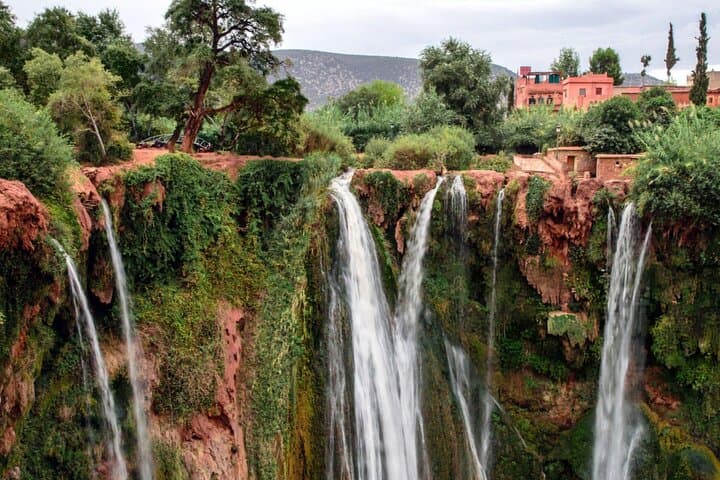
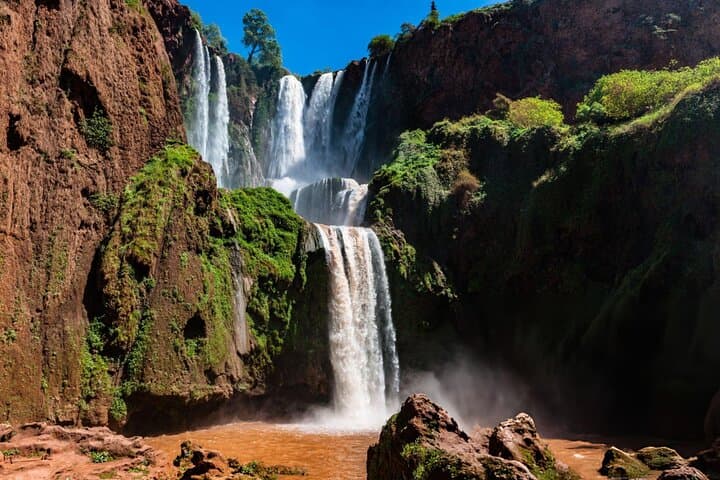
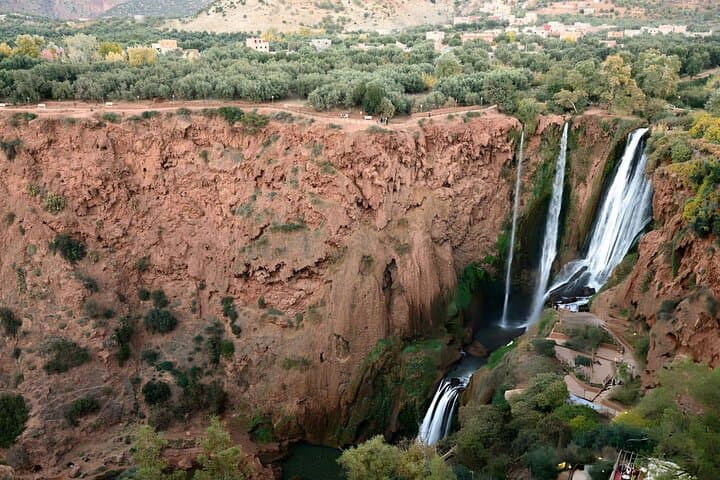
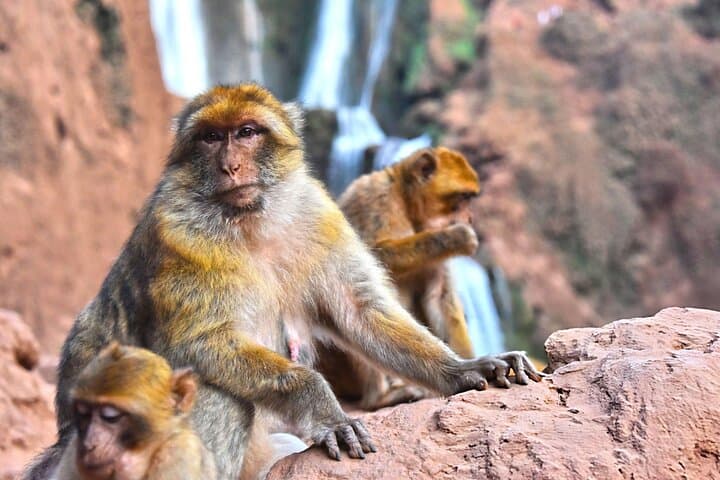
Morning light cuts across the red-earth road from Marrakech as the minibus climbs toward the Atlas foothills. At Ouzoud, water hurls itself for roughly 110 meters over stepped cliffs, throwing mist into olive groves and daring you to come closer. The falls sit where the El-Abid River negotiates resistant sandstone and clay layers, carving terraces and plunge pools that have attracted people and wildlife for generations. Nearby Berber villages farm these slopes; olive presses, terraced fields and simple stone houses punctuate the valley. Guides often explain traditional olive‑oil production and local irrigation practices while pointing out cultural landmarks. On the trail, paths switchback through fig and olive trees, open onto broad viewpoints and drop to a riverine floor where small boats paddle close to the spray. Barbary macaques frequent the rocky ledges, and raptors ride thermals above. Infrastructure is straightforward: marked trails, riverside restaurants, and short boat rides at the base of the falls make this both dramatic and accessible. Practicalities: expect a full day (about 8 hours door-to-door from Marrakech), 3–5 km of walking around the falls with roughly 150 m of cumulative elevation change on uneven stone and packed dirt. Wear sturdy shoes, carry at least 1.5 L water, pack sun protection and a lightweight rain shell for spray. Bring cash for boat rides and lunch—the village restaurants are local and often cash-only. Aim for morning arrival to avoid crowds and the hottest hours; photography is best with side light that sculpts the cliffs. Allow extra time for slow exploration.
moderate.
8 hours.
Good general fitness for multiple short hikes and stairs; able to walk on uneven terrain for several hours.
The transfer is roughly 2.5–3 hours each way depending on traffic and stops; plan for an 8-hour round trip with time at the falls.
Boat rides at the base of the falls are typically available for a small additional fee and are not included in the basic tour price.
Older children who can manage stairs and uneven ground usually do well; infants and toddlers may require carriers—check with the operator about vehicle child seats.
Swimming is possible in some upstream pools but conditions vary; check locally for safety and avoid swimming near strong currents or directly under the main plunge.
The valley has long been farmed by Berber communities; olive cultivation and small-scale irrigation shaped terraces that frame the falls.
Tourism supports local incomes but brings waste and wildlife habituation risks—avoid feeding animals, use marked paths, and prefer local businesses to keep impact positive.
Atlasia Discovery Tours operates guided outdoor trips and adventures with an emphasis on safety, stewardship, and memorable experiences.
Book with Atlasia Discovery Tours
Book directly with Atlasia Discovery Tours for the best rates and real-time scheduling.
Reserve Now