THE ADVENTURE COLLECTIVE® · Independent discovery and booking for outdoor travel

Escape Marrakech for a day in the Ourika Valley: hike to Setti Fatma’s waterfalls, visit a women-run argan cooperative, and learn from a local guide. This small-group full-day tour combines accessible mountain walking with cultural encounters and convenient hotel pickup.
Escape Marrakech for a day in the Ourika Valley: hike to Setti Fatma’s waterfalls, visit a women-run argan cooperative, and learn from a local guide. This small-group full-day tour combines accessible mountain walking with cultural encounters and convenient hotel pickup.
You leave Marrakech’s ochre walls behind and the road climbs toward the Atlas foothills; olive groves thin and the river begins to insist its presence, cutting a green ribbon through terraced fields. By mid-morning you arrive in the Ourika Valley—a living landscape of stone villages, argan trees, and the clear, chiselled sound of falling water.
Verified experiences and guided adventures in the surrounding area.
Operated by moroccomasterstours · Ourika Valley, Marrakech-Safi
You leave Marrakech’s ochre walls behind and the road climbs toward the Atlas foothills; olive groves thin and the river begins to insist its presence, cutting a green ribbon through terraced fields. By mid-morning you arrive in the Ourika Valley—a living landscape of stone villages, argan trees, and the clear, chiselled sound of falling water.
Setti Fatma’s cascades are the highlight: a series of small waterfalls reachable via a network of mule tracks and stone steps. The geology here reflects recent uplift where the High Atlas thrusts northward, exposing metamorphic and sedimentary bands that guide streams into steep drops. Local Berber communities shaped the valley’s terraces and still run women’s argan cooperatives where traditional presses turn kernels into oil used for cooking and cosmetics.
Your licensed local guide steers the hike, pointing out village architecture, medicinal plants, and quieter viewpoints away from the main crowds. Expect 1–2 hours of hiking to reach the principal cascades on trails that switchback, cross streamlets, and use uneven rock steps—easy to moderate for most walkers.
Practicalities: door-to-door hotel pickup, an air-conditioned vehicle, and small group sizes keep the day efficient. Wear grippy shoes, pack 1–2 liters of water, sun protection, and a light layer for mountain breezes. Respect local customs at cooperatives (ask before photographing) and carry small change when buying argan oil or snacks. Plan an early departure from Marrakech to beat afternoon heat and return by evening with time to reflect on a valley that’s both scenic and culturally rooted.
moderate.
6–8 hours.
Suitable for people in average physical condition able to walk uphill on uneven terrain for up to 2 hours at a stretch
Yes—this tour includes pickup from central Marrakech hotels; you’ll be assigned a pickup point when booking.
Expect roughly 1–2 hours round-trip on paths that range from flat riverside sections to short uphill stone steps.
The route is family-friendly but includes rocky steps and short climbs; guardians should assess mobility and bring carriers for infants if needed.
Transport and guiding are included but meals and purchases at the argan cooperative or local cafés are typically not covered.
The Ourika Valley has long been home to Amazigh (Berber) communities whose terrace agriculture and stone village architecture reflect centuries of mountain farming.
Tourism supports local cooperatives but also increases pressure on water and footpaths—stick to marked trails, avoid single-use plastics, and buy locally produced goods to channel benefits back to the community.
moroccomasterstours operates guided outdoor trips and adventures with an emphasis on safety, stewardship, and memorable experiences.

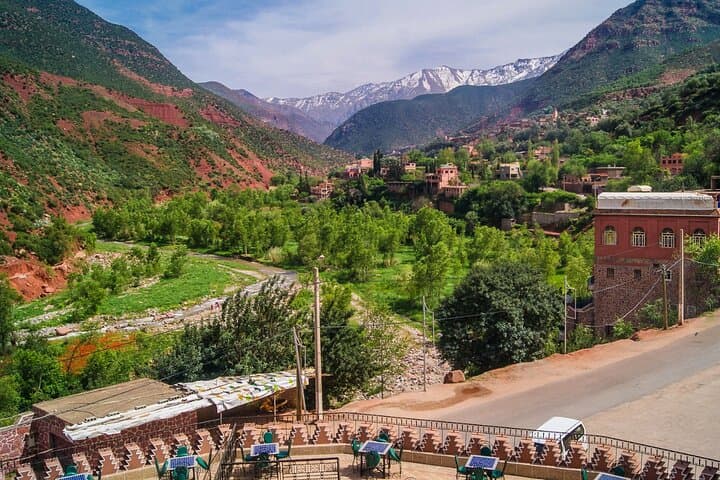
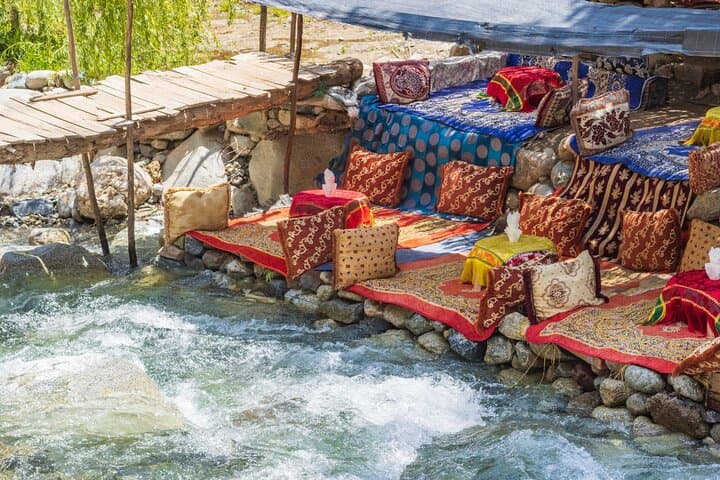

You leave Marrakech’s ochre walls behind and the road climbs toward the Atlas foothills; olive groves thin and the river begins to insist its presence, cutting a green ribbon through terraced fields. By mid-morning you arrive in the Ourika Valley—a living landscape of stone villages, argan trees, and the clear, chiselled sound of falling water.
You leave Marrakech’s ochre walls behind and the road climbs toward the Atlas foothills; olive groves thin and the river begins to insist its presence, cutting a green ribbon through terraced fields. By mid-morning you arrive in the Ourika Valley—a living landscape of stone villages, argan trees, and the clear, chiselled sound of falling water.
Setti Fatma’s cascades are the highlight: a series of small waterfalls reachable via a network of mule tracks and stone steps. The geology here reflects recent uplift where the High Atlas thrusts northward, exposing metamorphic and sedimentary bands that guide streams into steep drops. Local Berber communities shaped the valley’s terraces and still run women’s argan cooperatives where traditional presses turn kernels into oil used for cooking and cosmetics.
Your licensed local guide steers the hike, pointing out village architecture, medicinal plants, and quieter viewpoints away from the main crowds. Expect 1–2 hours of hiking to reach the principal cascades on trails that switchback, cross streamlets, and use uneven rock steps—easy to moderate for most walkers.
Practicalities: door-to-door hotel pickup, an air-conditioned vehicle, and small group sizes keep the day efficient. Wear grippy shoes, pack 1–2 liters of water, sun protection, and a light layer for mountain breezes. Respect local customs at cooperatives (ask before photographing) and carry small change when buying argan oil or snacks. Plan an early departure from Marrakech to beat afternoon heat and return by evening with time to reflect on a valley that’s both scenic and culturally rooted.