THE ADVENTURE COLLECTIVE® · Independent discovery and booking for outdoor travel

Escape Marrakech for a day in the Ourika Valley: mountain air, cascading waterfalls and traditional Berber villages. This full-day trip mixes short hikes, local markets and a visit to herbal distilleries—an accessible way to see the High Atlas up close.
Escape Marrakech for a day in the Ourika Valley: mountain air, cascading waterfalls and traditional Berber villages. This full-day trip mixes short hikes, local markets and a visit to herbal distilleries—an accessible way to see the High Atlas up close.
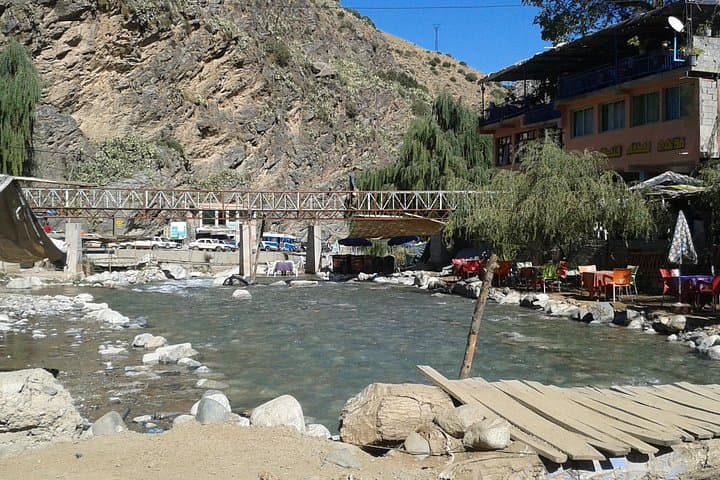
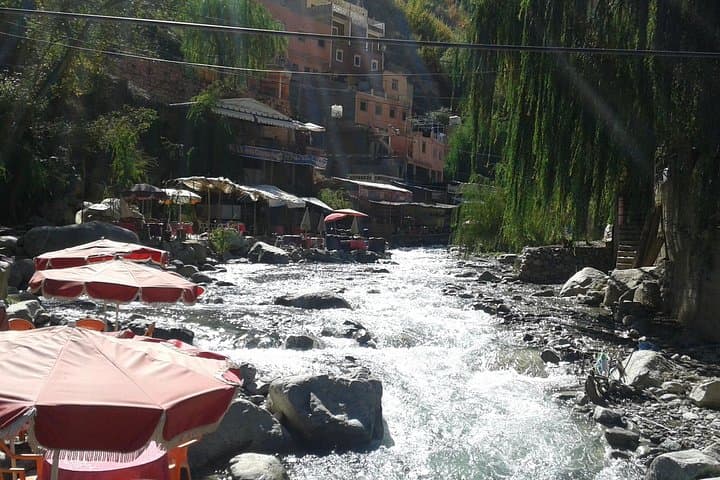
A cool wind drops from the High Atlas as you leave Marrakech’s dust and heat behind; the road climbs, terraces stack into the hillside and the river below dares you to follow. Within an hour the valley opens—green slopes, stone villages clinging to steep faces and a current that has carved the gorge for millennia.
Verified experiences and guided adventures in the surrounding area.
Operated by Morocco Adventure Tour · Ourika, Marrakech-Safi
A cool wind drops from the High Atlas as you leave Marrakech’s dust and heat behind; the road climbs, terraces stack into the hillside and the river below dares you to follow. Within an hour the valley opens—green slopes, stone villages clinging to steep faces and a current that has carved the gorge for millennia.
The Ourika Valley has long been home to Amazigh (Berber) communities whose lives adapt to altitude and water. Geologically, the High Atlas is young and rugged—folded limestone and schist rising to snow-capped summits in winter and feeding the streams that sustain valley gardens. Cultural layers are visible in pottery markets, mountain agriculture and small herbal distilleries such as Nectarome, which process local plants into essential oils and remedies.
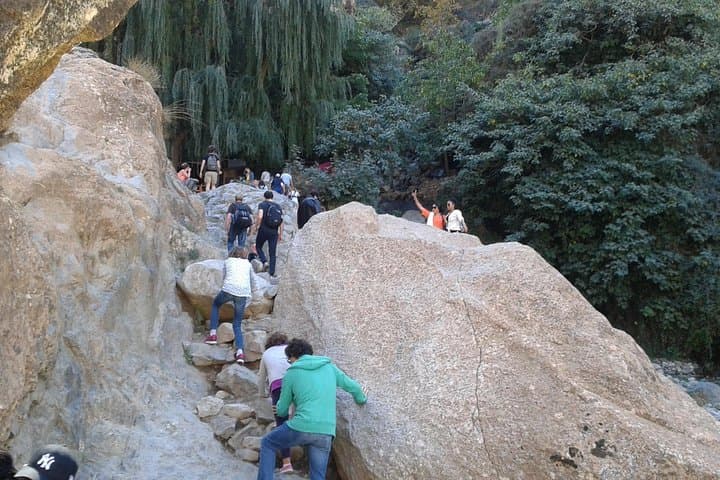
Expect short village walks, market stops and a riverside hike toward Setti Fatma’s cascade of seven waterfalls. Terrain is mixed: paved valley roads, rocky footpaths and uneven riverbanks. The falls can be slippery after rain; water levels vary seasonally.
Practical guidance: bring sturdy footwear, at least 2 liters of water, sun protection and a light layer for cooler mountain air. If you plan the walk, allow 1.5–3 hours for the waterfalls trail depending on pace and stops. Weekends draw locals, especially in summer—arrive early to avoid crowds. Local eateries offer tagines and mint tea; carry small bills for market purchases and tips. Respect private terraces and ask before photographing people. In short: this is an accessible, immersive day of geology, culture and flowing water—easy to reach from Marrakech and rich in sensory detail.
moderate.
8 hours.
Suitable for travelers with a moderate fitness level—short uphill sections and uneven trails require steady footing.
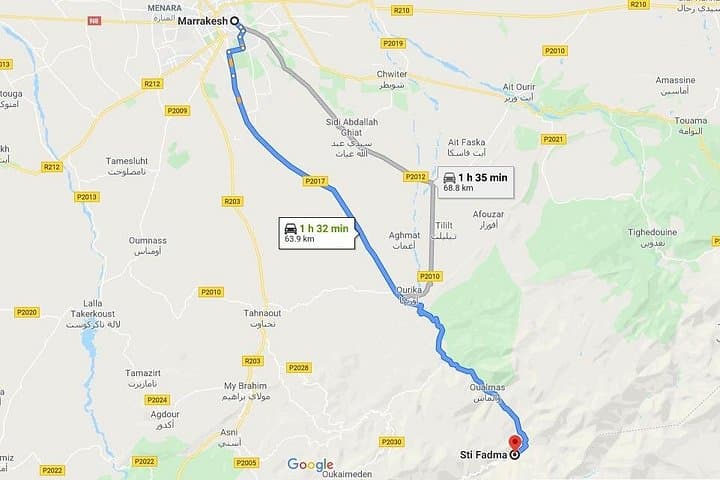
The tour is approximately 1 hour each way by road; the full experience including walking and stops is typically around 8 hours.
The hike to Setti Fatma’s waterfalls is short but uneven and can be slippery; it’s suitable for most people with moderate fitness and stable footwear.
Most day tours include transport and a guide but not lunch—there are inexpensive local restaurants in the valley where you can buy tagine and tea.
Guides typically speak English, French and Arabic; confirm language needs when booking and request a guide fluent in your preferred language if required.
The valley has been inhabited by Amazigh (Berber) communities for centuries; local pottery and mountain agriculture reflect traditional crafts and subsistence strategies.
Tourism brings income but also pressure on water and trails—stick to marked paths, avoid littering and support local businesses to help sustain the valley.
Morocco Adventure Tour operates guided outdoor trips and adventures with an emphasis on safety, stewardship, and memorable experiences.
A cool wind drops from the High Atlas as you leave Marrakech’s dust and heat behind; the road climbs, terraces stack into the hillside and the river below dares you to follow. Within an hour the valley opens—green slopes, stone villages clinging to steep faces and a current that has carved the gorge for millennia.
A cool wind drops from the High Atlas as you leave Marrakech’s dust and heat behind; the road climbs, terraces stack into the hillside and the river below dares you to follow. Within an hour the valley opens—green slopes, stone villages clinging to steep faces and a current that has carved the gorge for millennia.
The Ourika Valley has long been home to Amazigh (Berber) communities whose lives adapt to altitude and water. Geologically, the High Atlas is young and rugged—folded limestone and schist rising to snow-capped summits in winter and feeding the streams that sustain valley gardens. Cultural layers are visible in pottery markets, mountain agriculture and small herbal distilleries such as Nectarome, which process local plants into essential oils and remedies.
Expect short village walks, market stops and a riverside hike toward Setti Fatma’s cascade of seven waterfalls. Terrain is mixed: paved valley roads, rocky footpaths and uneven riverbanks. The falls can be slippery after rain; water levels vary seasonally.
Practical guidance: bring sturdy footwear, at least 2 liters of water, sun protection and a light layer for cooler mountain air. If you plan the walk, allow 1.5–3 hours for the waterfalls trail depending on pace and stops. Weekends draw locals, especially in summer—arrive early to avoid crowds. Local eateries offer tagines and mint tea; carry small bills for market purchases and tips. Respect private terraces and ask before photographing people. In short: this is an accessible, immersive day of geology, culture and flowing water—easy to reach from Marrakech and rich in sensory detail.