THE ADVENTURE COLLECTIVE® · Independent discovery and booking for outdoor travel

Leave Marrakech for a day of mint tea, terraced slopes, and a short hike to the seven waterfalls of Setti Fatma. This accessible Atlas foothills tour pairs cultural visits with a scenic mountain walk.
Leave Marrakech for a day of mint tea, terraced slopes, and a short hike to the seven waterfalls of Setti Fatma. This accessible Atlas foothills tour pairs cultural visits with a scenic mountain walk.
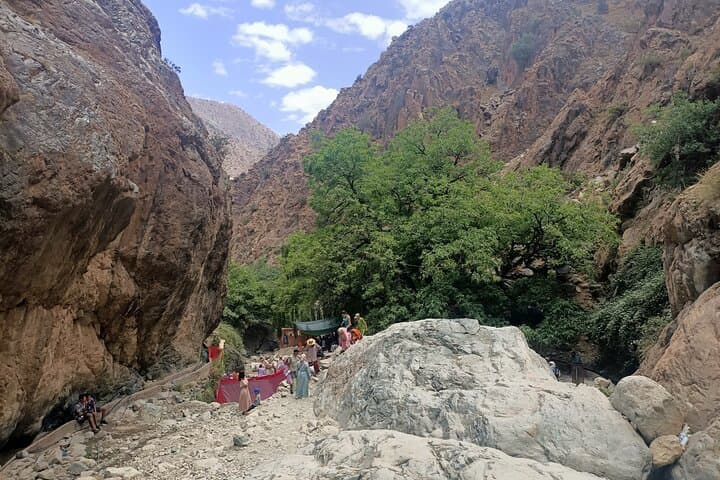
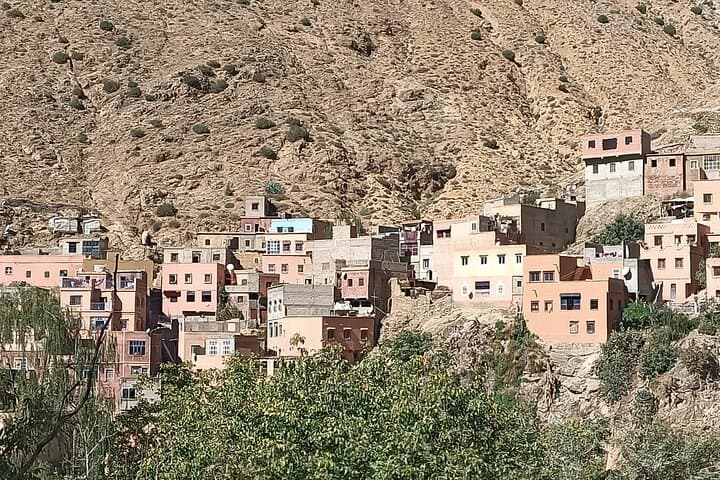
A morning drive out of Marrakech squeezes the city’s dust behind you and opens into the green ribs of the Atlas foothills. The Ourika river calls you down a narrow ribbon of valley where terraces climb like stacked gardens and small stone houses cling to sun-warmed slopes. The air smells of thyme and mint; the river dares you to follow it upstream toward Setti Fatma’s waterfalls.
Verified experiences and guided adventures in the surrounding area.
Operated by Safari Rose · Setti Fatma, Marrakesh-Safi
A morning drive out of Marrakech squeezes the city’s dust behind you and opens into the green ribs of the Atlas foothills. The Ourika river calls you down a narrow ribbon of valley where terraces climb like stacked gardens and small stone houses cling to sun-warmed slopes. The air smells of thyme and mint; the river dares you to follow it upstream toward Setti Fatma’s waterfalls.
Geologically the region is the western edge of the High Atlas, folded by the collision of the African and Eurasian plates and carved by seasonal streams that feed the valley’s terraces. Culturally the area is Berber country—Amazigh villages have farmed these slopes for centuries, leaving visible traces in stone walls, irrigation channels, and a tradition of hospitality centered on mint tea.
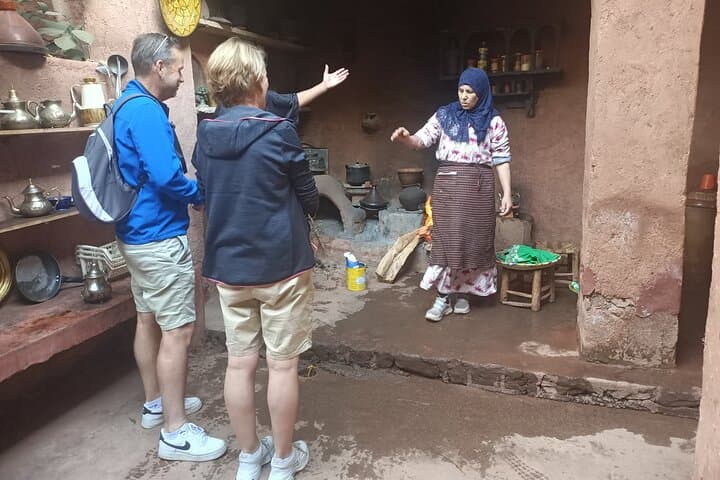
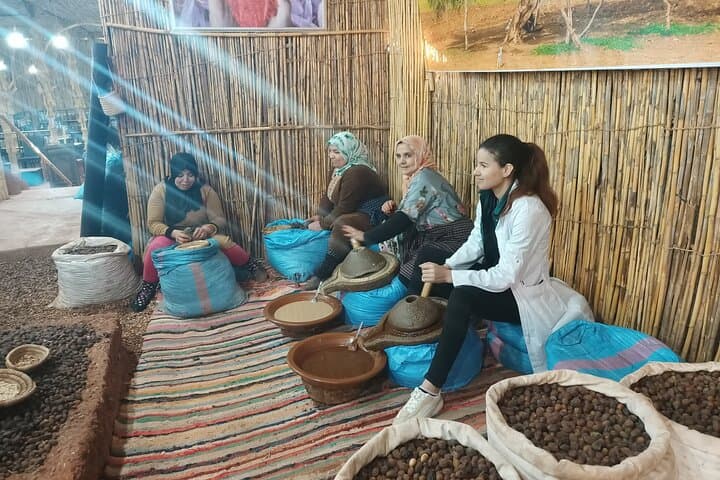
On this day trip you typically visit a Berber home for tea, walk through Ait Mechkour, and hike the trail to the series of seven waterfalls at Setti Fatma. Trails are well-trodden but can be steep and rocky in places; expect multiple short ascents and river crossings. Lunch is available at a mountain-view restaurant; the round-trip from Marrakech is about 8 hours with a 45–60 minute drive each way.
Practical tips: wear sturdy shoes, carry 1–2 L of water, and bring sun protection and small change for local purchases. Start mid-morning to avoid peak heat, move at a steady pace on the waterfall track, and respect local customs when visiting private homes. The valley offers a compact, accessible Atlas experience—wild scenery, living culture, and a short but rewarding hike.
easy.
8 hours.
Reasonable mobility for a half-day of walking with short steep sections; suitable for most active travelers.
The drive to the Ourika valley and Setti Fatma is roughly 45–60 minutes each way depending on traffic and the exact pickup point in Marrakech.
Older children who can handle short steep sections and river crossings usually do fine; very young children may need to be carried or stay at lower viewpoints.
Tour prices commonly include hotel pickup and mint tea; lunch is usually available to purchase at a mountain restaurant but is not always included in the base price.
Independent travel is possible by private taxi or rental car, but a guided tour simplifies logistics (pickup, local insights, and language support) and often includes a visit to a private home for tea.
The Ourika Valley has long been cultivated by Amazigh (Berber) communities; you’ll see medieval-style terraced agriculture and irrigation channels that reflect centuries of mountain farming.
Tourism pressure and seasonal overuse strain water resources and trails—stick to paths, avoid plastic waste, and support local businesses to help distribute benefits.
Safari Rose operates guided outdoor trips and adventures with an emphasis on safety, stewardship, and memorable experiences.
A morning drive out of Marrakech squeezes the city’s dust behind you and opens into the green ribs of the Atlas foothills. The Ourika river calls you down a narrow ribbon of valley where terraces climb like stacked gardens and small stone houses cling to sun-warmed slopes. The air smells of thyme and mint; the river dares you to follow it upstream toward Setti Fatma’s waterfalls.
A morning drive out of Marrakech squeezes the city’s dust behind you and opens into the green ribs of the Atlas foothills. The Ourika river calls you down a narrow ribbon of valley where terraces climb like stacked gardens and small stone houses cling to sun-warmed slopes. The air smells of thyme and mint; the river dares you to follow it upstream toward Setti Fatma’s waterfalls.
Geologically the region is the western edge of the High Atlas, folded by the collision of the African and Eurasian plates and carved by seasonal streams that feed the valley’s terraces. Culturally the area is Berber country—Amazigh villages have farmed these slopes for centuries, leaving visible traces in stone walls, irrigation channels, and a tradition of hospitality centered on mint tea.
On this day trip you typically visit a Berber home for tea, walk through Ait Mechkour, and hike the trail to the series of seven waterfalls at Setti Fatma. Trails are well-trodden but can be steep and rocky in places; expect multiple short ascents and river crossings. Lunch is available at a mountain-view restaurant; the round-trip from Marrakech is about 8 hours with a 45–60 minute drive each way.
Practical tips: wear sturdy shoes, carry 1–2 L of water, and bring sun protection and small change for local purchases. Start mid-morning to avoid peak heat, move at a steady pace on the waterfall track, and respect local customs when visiting private homes. The valley offers a compact, accessible Atlas experience—wild scenery, living culture, and a short but rewarding hike.