THE ADVENTURE COLLECTIVE® · Independent discovery and booking for outdoor travel

A private full-day excursion from Marrakech that follows the Ourika River into the High Atlas foothills. Expect river walks, traditional Berber villages and a climb to the seven waterfalls at Sti Fadma — all within an 8–10 hour day.
A private full-day excursion from Marrakech that follows the Ourika River into the High Atlas foothills. Expect river walks, traditional Berber villages and a climb to the seven waterfalls at Sti Fadma — all within an 8–10 hour day.
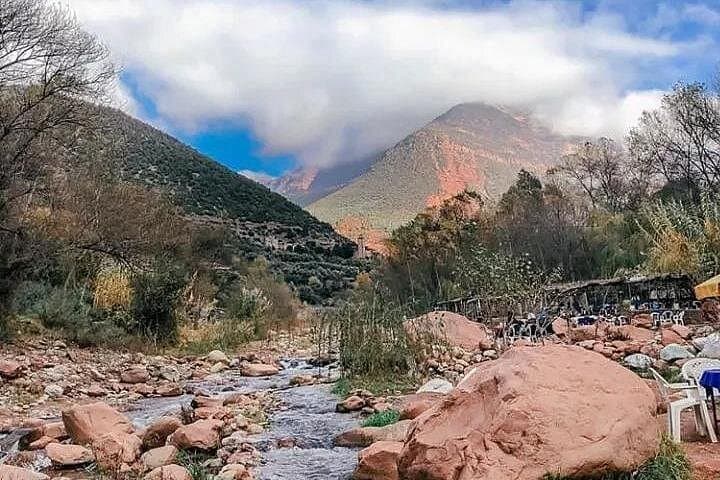
Drive out of Marrakech as the city loosens its grip and the Atlas foothills rise like a slow green wall. The road narrows, citrus and terraced plots slip by, and the Ourika River begins to chart the valley floor — a restive presence that pulls you toward Sti Fadma and the cluster of seven waterfalls above.
Verified experiences and guided adventures in the surrounding area.
Operated by Said Benabbou · Ourika, Marrakech-Safi
Drive out of Marrakech as the city loosens its grip and the Atlas foothills rise like a slow green wall. The road narrows, citrus and terraced plots slip by, and the Ourika River begins to chart the valley floor — a restive presence that pulls you toward Sti Fadma and the cluster of seven waterfalls above.
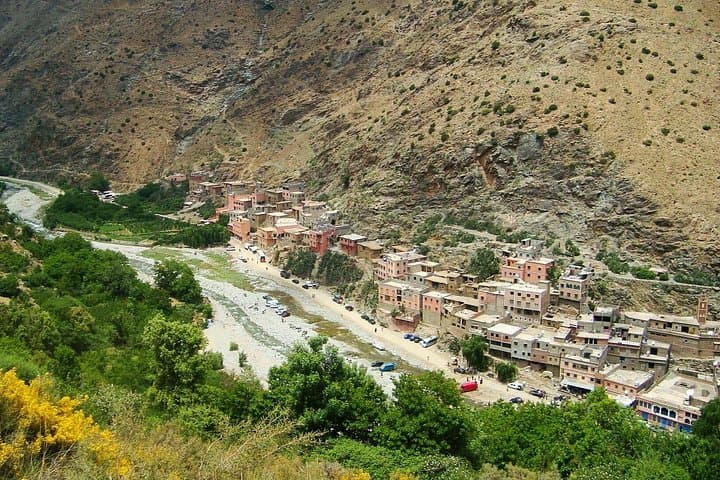
The valley sits on the southern flank of the High Atlas, formed by tectonic uplift and sculpted by seasonal runoff. Farming terraces and traditional pisé (mud) Berber houses mark centuries of mountain agriculture; local markets still trade olives, argan oil and handwoven goods. You’ll pass small roadside restaurants where tagines are cooked over wood and families gather, a plain expression of local culture and hospitality.
Walking sections follow well-trod tracks alongside the river, with short steep pitches to viewpoints. Expect mixed terrain: paved village lanes, dirt paths, and rocky creekside stretches. Elevations on a typical visit range from roughly 600–1,200 m, and the highest waterfall approaches require steady footing rather than technical climbing.
Practical guidance: allow 8–10 hours round-trip from Marrakech with private transport; start early to avoid mid-day heat and crowds. Wear sturdy footwear, bring 1–2 liters of water, and pack a light wind layer — mountain weather can shift. If you plan to climb to the upper falls, give yourself 60–90 minutes each way from Sti Fadma and be prepared for uneven steps.
This trip delivers clear, accessible mountain scenery, bites of rural life, and the chance to linger beside a river that keeps pushing the valley into sharper shape.
easy.
8–10 hours.
Suitable for most fitness levels; you should be comfortable walking 1–3 miles on uneven terrain and climbing short steep sections.
Typical transfer time is 45–60 minutes each way depending on traffic and your pickup point in Marrakech.
The path to the lower falls is an easy, well-worn walk; reaching the higher cascades involves steeper, rockier steps and takes an additional 60–90 minutes round-trip from Sti Fadma.
No formal entrance fee is required for the valley trail, though local guides are available and recommended if you plan to explore higher routes or visit remote hamlets.
Yes — the tour is broadly accessible; short riverbank walks suit families, but assess the group’s mobility before attempting the upper falls.
The Ourika Valley has been inhabited by Amazigh (Berber) communities for centuries; traditional mud-brick villages and terraced farming reflect long-term mountain agriculture and local crafts.
Seasonal water availability and grazing pressure shape local land use; stick to trails, avoid single-use plastics, and support village businesses to promote sustainable tourism.
Said Benabbou operates guided outdoor trips and adventures with an emphasis on safety, stewardship, and memorable experiences.
Drive out of Marrakech as the city loosens its grip and the Atlas foothills rise like a slow green wall. The road narrows, citrus and terraced plots slip by, and the Ourika River begins to chart the valley floor — a restive presence that pulls you toward Sti Fadma and the cluster of seven waterfalls above.
Drive out of Marrakech as the city loosens its grip and the Atlas foothills rise like a slow green wall. The road narrows, citrus and terraced plots slip by, and the Ourika River begins to chart the valley floor — a restive presence that pulls you toward Sti Fadma and the cluster of seven waterfalls above.
The valley sits on the southern flank of the High Atlas, formed by tectonic uplift and sculpted by seasonal runoff. Farming terraces and traditional pisé (mud) Berber houses mark centuries of mountain agriculture; local markets still trade olives, argan oil and handwoven goods. You’ll pass small roadside restaurants where tagines are cooked over wood and families gather, a plain expression of local culture and hospitality.
Walking sections follow well-trod tracks alongside the river, with short steep pitches to viewpoints. Expect mixed terrain: paved village lanes, dirt paths, and rocky creekside stretches. Elevations on a typical visit range from roughly 600–1,200 m, and the highest waterfall approaches require steady footing rather than technical climbing.
Practical guidance: allow 8–10 hours round-trip from Marrakech with private transport; start early to avoid mid-day heat and crowds. Wear sturdy footwear, bring 1–2 liters of water, and pack a light wind layer — mountain weather can shift. If you plan to climb to the upper falls, give yourself 60–90 minutes each way from Sti Fadma and be prepared for uneven steps.
This trip delivers clear, accessible mountain scenery, bites of rural life, and the chance to linger beside a river that keeps pushing the valley into sharper shape.