THE ADVENTURE COLLECTIVE® · Independent discovery and booking for outdoor travel

Escape Marrakesh for a full day in the Ourika Valley—where rivers carve terraces and Berber villages offer markets, argan co‑ops, and waterfalls. This accessible tour blends short walks with cultural stops for a compact mountain experience.
Escape Marrakesh for a full day in the Ourika Valley—where rivers carve terraces and Berber villages offer markets, argan co‑ops, and waterfalls. This accessible tour blends short walks with cultural stops for a compact mountain experience.
Drive out of Marrakesh and the city’s heat thins away into a landscape of terraced gardens and a river that dares you closer with every bend.
Verified experiences and guided adventures in the surrounding area.
Operated by Marrakech Shared Group Tours · Marrakesh, Marrakesh-Safi
Drive out of Marrakesh and the city’s heat thins away into a landscape of terraced gardens and a river that dares you closer with every bend.
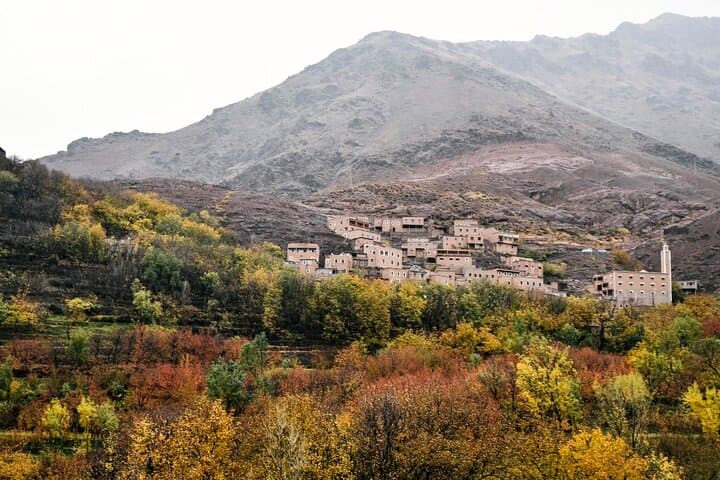
The Ourika Valley opens like a working mosaic: fruit orchards clinging to slopes, vegetable terraces, and small stone Berber houses whose facades trace centuries of human adaptation to mountain life. Geologically, the valley is the western foothills of the High Atlas—folded schists and limestone that funnel winter runoff into the Ourika River and feed the cascade at Setti Fatma.
Culturally the area remains strongly Berber. Markets still trade in local produce and handcrafts, and a Monday roadside souk can be a lively portrait of local commerce. A visit often includes a locally run argan co‑op and a short guided walk through a village to learn daily rhythms: irrigation channels, terrace maintenance, and communal olive and almond harvesting.
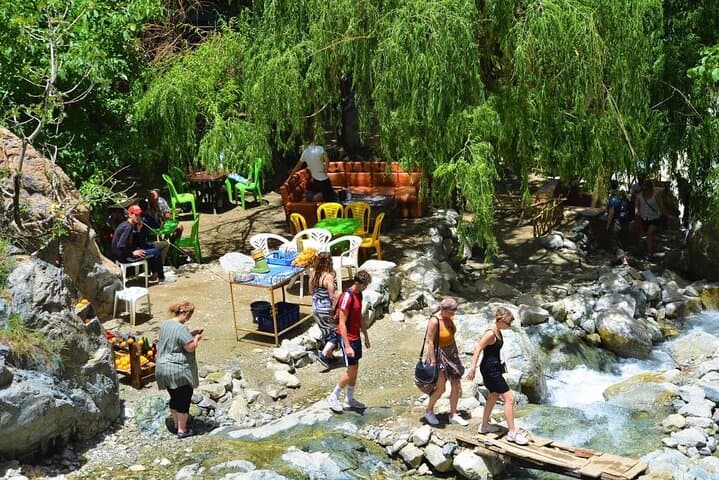
Practical guidance: the full-day tour is a mix of scenic driving, light walking and short hikes to viewpoints and the upper waterfalls. Expect up to an hour of walking on uneven trails and steps; bring sturdy shoes. Plan for a morning departure to avoid midday heat in summer and to find quieter river restaurants. Cash is useful for small purchases and tipping; language is primarily Moroccan Arabic and Tamazight, but guides often speak French and English.
Respect local customs at home-stays, carry water and sun protection, and leave no trace on trails. The payoff is straightforward: cool river pools, accessible cascades, and an intimate look at Atlas foothill life in a single day.
easy.
8 hours.
Suitable for most fitness levels; expect short steep sections and up to an hour of walking on uneven terrain.
The drive to the Ourika Valley typically takes 45–75 minutes depending on traffic and the exact drop‑off point.
No—most routes are short but uneven; they involve steps and rocky sections but are manageable for people with basic mobility.
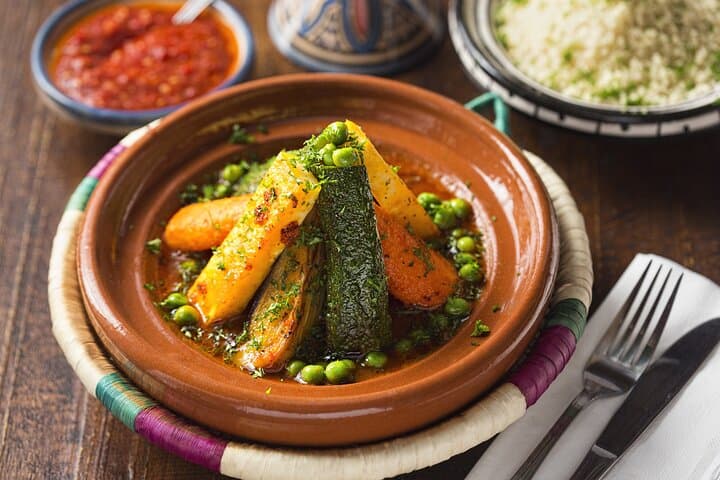
Lunch is usually not included; tours stop at riverside restaurants where you can order a Berber tajine or bring your own food.
Yes—many tours include a stop at a locally run argan co‑op and a short visit to a typical Berber house as part of the itinerary.
The valley’s villages have Berber roots that go back centuries; many terraces and irrigation practices reflect agricultural systems developed in the 16th–17th centuries.
Tourism impacts water use and trail erosion; stick to marked paths, avoid single‑use plastics, and support locally run cooperatives to keep benefits in the community.
Marrakech Shared Group Tours operates guided outdoor trips and adventures with an emphasis on safety, stewardship, and memorable experiences.

Drive out of Marrakesh and the city’s heat thins away into a landscape of terraced gardens and a river that dares you closer with every bend.
Drive out of Marrakesh and the city’s heat thins away into a landscape of terraced gardens and a river that dares you closer with every bend.
The Ourika Valley opens like a working mosaic: fruit orchards clinging to slopes, vegetable terraces, and small stone Berber houses whose facades trace centuries of human adaptation to mountain life. Geologically, the valley is the western foothills of the High Atlas—folded schists and limestone that funnel winter runoff into the Ourika River and feed the cascade at Setti Fatma.
Culturally the area remains strongly Berber. Markets still trade in local produce and handcrafts, and a Monday roadside souk can be a lively portrait of local commerce. A visit often includes a locally run argan co‑op and a short guided walk through a village to learn daily rhythms: irrigation channels, terrace maintenance, and communal olive and almond harvesting.
Practical guidance: the full-day tour is a mix of scenic driving, light walking and short hikes to viewpoints and the upper waterfalls. Expect up to an hour of walking on uneven trails and steps; bring sturdy shoes. Plan for a morning departure to avoid midday heat in summer and to find quieter river restaurants. Cash is useful for small purchases and tipping; language is primarily Moroccan Arabic and Tamazight, but guides often speak French and English.
Respect local customs at home-stays, carry water and sun protection, and leave no trace on trails. The payoff is straightforward: cool river pools, accessible cascades, and an intimate look at Atlas foothill life in a single day.