THE ADVENTURE COLLECTIVE® · Independent discovery and booking for outdoor travel

Spend a full day in an open vehicle tracking elephants, lions and more through Kruger National Park. Learn what to expect from terrain, wildlife odds, and practical planning for an eight‑hour guided safari.
Spend a full day in an open vehicle tracking elephants, lions and more through Kruger National Park. Learn what to expect from terrain, wildlife odds, and practical planning for an eight‑hour guided safari.
You step into an open safari vehicle at first light; the air is cool, dust lifts in ribbons, and the park’s broad plains already hum with movement. Guides scan the horizon—eyes tuned to subtle tracks and distant silhouettes—so the day begins with quiet anticipation and the constant possibility of the Big Five appearing around the next koppie.
Verified experiences and guided adventures in the surrounding area.
Operated by Kruger Pride Safaris · Hazyview, Mpumalanga
You step into an open safari vehicle at first light; the air is cool, dust lifts in ribbons, and the park’s broad plains already hum with movement. Guides scan the horizon—eyes tuned to subtle tracks and distant silhouettes—so the day begins with quiet anticipation and the constant possibility of the Big Five appearing around the next koppie.
Kruger National Park, created at the turn of the 20th century and covering roughly 19,485 km² across Mpumalanga and Limpopo provinces, is one of Africa’s largest and most ecologically diverse reserves. Rolling savanna, mopane stands, riverine forest and granite outcrops shape animal routes and seasonal waterholes. Local Tsonga and Shangaan communities have long histories in the region; park creation changed land use but community-led tourism now reconnects culture and conservation.
On a full-day, open-vehicle safari expect eight hours in the field with a qualified guide who narrows in on sightings, explains behavior, and sets photography angles. Sightings are never guaranteed—guides read tracks, bird calls and spoor to improve odds—but dry months (May–September) usually concentrate animals around water making sightings more frequent.
Practical notes: park entry fees, meals and gratuities are typically excluded; carry cash or card for gate payments. Dress in muted layers, bring a sun hat, binoculars, camera with a long lens, and 2+ liters of water. Motion can be bumpy; if prone to motion sickness, take precautions. Respect distance rules for wildlife and follow your guide’s instructions—animals here direct the encounter, not the visitor.
moderate.
8 hours.
Suitable for most fitness levels; requires prolonged sitting on an open vehicle and short, occasional walks at rest stops.
No—most operators list Kruger entry fees and meals as excluded; expect to pay gate fees separately or as instructed by the operator.
Shared open-vehicle safaris typically carry up to 9 passengers, though private options may be available for exclusive bookings.
Kruger hosts the Big Five (lion, elephant, buffalo, leopard, rhino) plus giraffe, zebra, hippo and hundreds of bird species—sightings depend on season and luck.
Yes—safaris are generally suitable for all fitness levels, but consider long hours and dust; parents should assess children’s tolerance for extended time outdoors.
Kruger was formalized into a park in 1898 and expanded over the 20th century to protect wildlife corridors across Mpumalanga and Limpopo.
Kruger faces threats from poaching and habitat pressure; responsible operators promote anti-poaching funding and stick to park rules to minimize impact.
Kruger Pride Safaris operates guided outdoor trips and adventures with an emphasis on safety, stewardship, and memorable experiences.
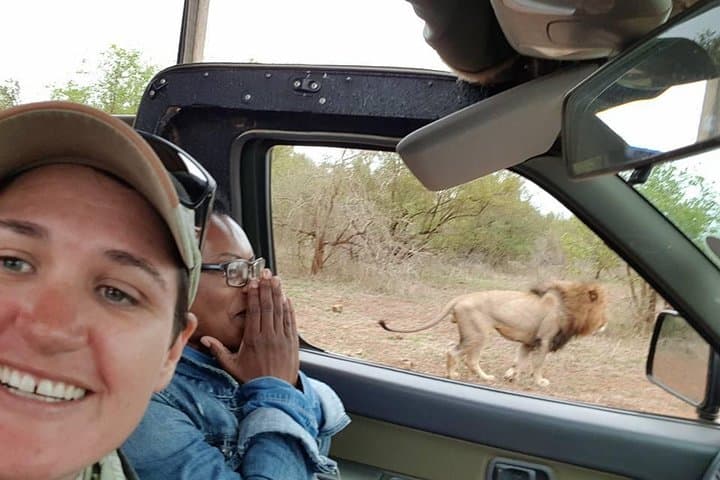
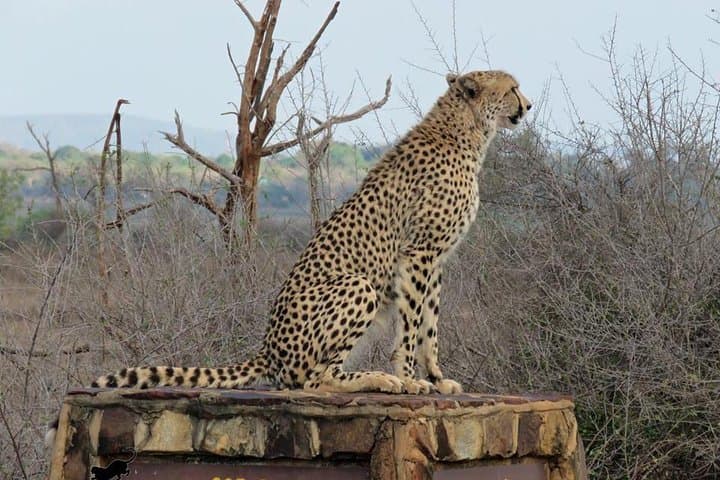
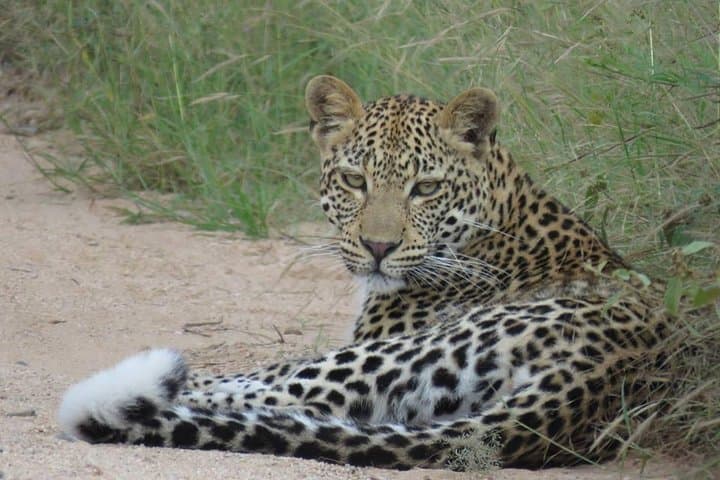
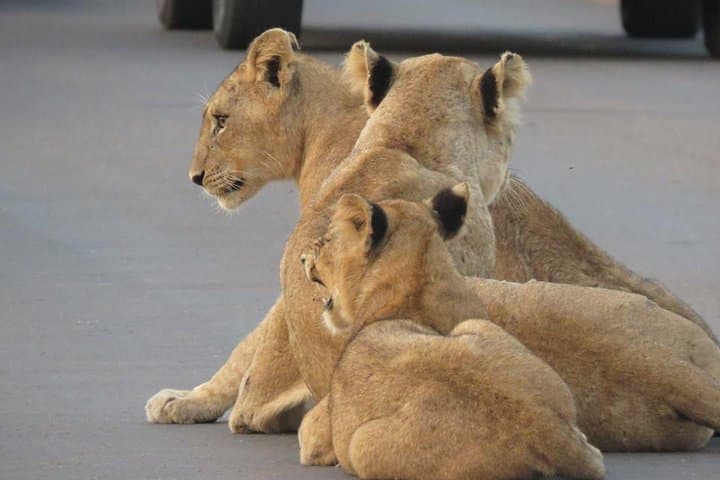
You step into an open safari vehicle at first light; the air is cool, dust lifts in ribbons, and the park’s broad plains already hum with movement. Guides scan the horizon—eyes tuned to subtle tracks and distant silhouettes—so the day begins with quiet anticipation and the constant possibility of the Big Five appearing around the next koppie.
You step into an open safari vehicle at first light; the air is cool, dust lifts in ribbons, and the park’s broad plains already hum with movement. Guides scan the horizon—eyes tuned to subtle tracks and distant silhouettes—so the day begins with quiet anticipation and the constant possibility of the Big Five appearing around the next koppie.
Kruger National Park, created at the turn of the 20th century and covering roughly 19,485 km² across Mpumalanga and Limpopo provinces, is one of Africa’s largest and most ecologically diverse reserves. Rolling savanna, mopane stands, riverine forest and granite outcrops shape animal routes and seasonal waterholes. Local Tsonga and Shangaan communities have long histories in the region; park creation changed land use but community-led tourism now reconnects culture and conservation.
On a full-day, open-vehicle safari expect eight hours in the field with a qualified guide who narrows in on sightings, explains behavior, and sets photography angles. Sightings are never guaranteed—guides read tracks, bird calls and spoor to improve odds—but dry months (May–September) usually concentrate animals around water making sightings more frequent.
Practical notes: park entry fees, meals and gratuities are typically excluded; carry cash or card for gate payments. Dress in muted layers, bring a sun hat, binoculars, camera with a long lens, and 2+ liters of water. Motion can be bumpy; if prone to motion sickness, take precautions. Respect distance rules for wildlife and follow your guide’s instructions—animals here direct the encounter, not the visitor.