THE ADVENTURE COLLECTIVE® · Independent discovery and booking for outdoor travel

A full-day private tour that threads Old Dhaka’s narrow lanes, riverfront bustle and Mughal monuments. Ride a rickshaw, cross the Buriganga by wooden boat and visit Lalbagh Fort and Ahsan Manzil with an art-historian guide.
A full-day private tour that threads Old Dhaka’s narrow lanes, riverfront bustle and Mughal monuments. Ride a rickshaw, cross the Buriganga by wooden boat and visit Lalbagh Fort and Ahsan Manzil with an art-historian guide.
The day begins in the press of morning traffic as the city exhales into sunlight — an air-conditioned vehicle eases you through clogged arteries until the streets of Old Dhaka open like a different map. Here rickshaws thread narrow lanes, vendors arrange marigolds at Shahbag, and the Buriganga River dares you to cross by a low-slung wooden boat.
Verified experiences and guided adventures in the surrounding area.
Operated by Travel Trips · Dhaka, Dhaka Division
The day begins in the press of morning traffic as the city exhales into sunlight — an air-conditioned vehicle eases you through clogged arteries until the streets of Old Dhaka open like a different map. Here rickshaws thread narrow lanes, vendors arrange marigolds at Shahbag, and the Buriganga River dares you to cross by a low-slung wooden boat.
Old Dhaka’s stone and stucco tell a layered history: Mughal caravanserais and forts from the 17th century, colonial civic blocks, and the pink façade of Ahsan Manzil where Nawabs once negotiated trade. The Shaheed Minar marks a modern political memory — February’s language movement — while the Dhakeshwari Temple and ornate mosques speak to the city’s religious diversity. Geologically, the low-lying silt plains around the Buriganga shaped Dhaka’s role as a river port; buildings step down toward the water, and the river’s tides still dictate daily life.
Cultural texture arrives close-up in Shankhari Bazaar’s artisan alleys and the chaotic ballet of Sadarghat river port. Expect sensory contrasts: sweet-smelling flower stalls, the clamour of launches, and the humid heat that hangs like a second skin.
Practical guidance: start early to avoid peak heat, bring modest clothing for religious sites, and keep small bills for rickshaws and vendors. Comfortable walking shoes and a reusable water bottle matter more than flash photography gear. Guides typically provide bottled water and a light snack, and a private vehicle shuttles between spread-out sites — helpful when traffic thickens. This full-day itinerary is a tight, revealing primer on Dhaka’s past and pulse.
easy.
8 hours.
Suitable for most travelers who can handle several short walks and standing in markets; not strenuous.
The private full-day tour runs about 8 hours and typically includes Shahbag market, Lalbagh Fort, Ahsan Manzil, Dhakeshwari Temple, Shankhari Bazaar, Sadarghat riverfront and a wooden rowboat ride.
Yes — the itinerary is low-intensity with vehicle transfers; however narrow lanes and boat steps may be challenging for limited mobility and strollers.
A valid passport is required on the day of travel; U.S./Canadian citizens should also bring proof of citizenship for re-entry if needed.
Guides usually provide a 500ml bottled water and a light snack; you can request authentic local meals but bring extra cash for restaurants or street food.
Old Dhaka grew as a Mughal river port in the 17th century; structures like Lalbagh Fort and Boro Katra reflect its role in regional trade and politics.
The Buriganga faces pollution from urban runoff and industry; tours that respect riverfront cleanliness and avoid littering support local cleanup efforts.
Travel Trips operates guided outdoor trips and adventures with an emphasis on safety, stewardship, and memorable experiences.


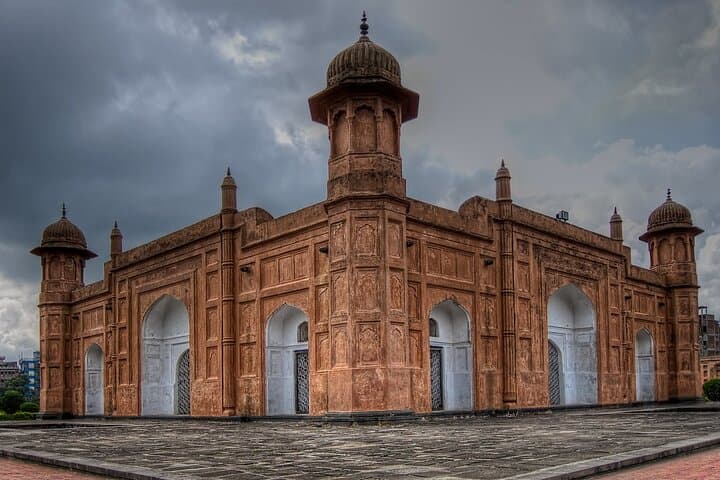

The day begins in the press of morning traffic as the city exhales into sunlight — an air-conditioned vehicle eases you through clogged arteries until the streets of Old Dhaka open like a different map. Here rickshaws thread narrow lanes, vendors arrange marigolds at Shahbag, and the Buriganga River dares you to cross by a low-slung wooden boat.
The day begins in the press of morning traffic as the city exhales into sunlight — an air-conditioned vehicle eases you through clogged arteries until the streets of Old Dhaka open like a different map. Here rickshaws thread narrow lanes, vendors arrange marigolds at Shahbag, and the Buriganga River dares you to cross by a low-slung wooden boat.
Old Dhaka’s stone and stucco tell a layered history: Mughal caravanserais and forts from the 17th century, colonial civic blocks, and the pink façade of Ahsan Manzil where Nawabs once negotiated trade. The Shaheed Minar marks a modern political memory — February’s language movement — while the Dhakeshwari Temple and ornate mosques speak to the city’s religious diversity. Geologically, the low-lying silt plains around the Buriganga shaped Dhaka’s role as a river port; buildings step down toward the water, and the river’s tides still dictate daily life.
Cultural texture arrives close-up in Shankhari Bazaar’s artisan alleys and the chaotic ballet of Sadarghat river port. Expect sensory contrasts: sweet-smelling flower stalls, the clamour of launches, and the humid heat that hangs like a second skin.
Practical guidance: start early to avoid peak heat, bring modest clothing for religious sites, and keep small bills for rickshaws and vendors. Comfortable walking shoes and a reusable water bottle matter more than flash photography gear. Guides typically provide bottled water and a light snack, and a private vehicle shuttles between spread-out sites — helpful when traffic thickens. This full-day itinerary is a tight, revealing primer on Dhaka’s past and pulse.