THE ADVENTURE COLLECTIVE® · Independent discovery and booking for outdoor travel

Escape Doha for a full day exploring Qatar’s northern forts, western rock formations and serene mangroves. This private tour packs UNESCO history, desert geology, and coastal wildlife into one accessible day trip.
Escape Doha for a full day exploring Qatar’s northern forts, western rock formations and serene mangroves. This private tour packs UNESCO history, desert geology, and coastal wildlife into one accessible day trip.
You roll out of Doha before the heat swells, the city skyline shrinking as a long ribbon of highway leads west and north into open desert and coastal flats. Wind-scoured limestone spires rise like islands in a sandy sea at Zekreet; the steel plates of Richard Serra stand stark against empty sky; mangrove channels on Purple Island thread green through tidal mud.
Verified experiences and guided adventures in the surrounding area.
Operated by Falcon Tours · Doha, Doha
You roll out of Doha before the heat swells, the city skyline shrinking as a long ribbon of highway leads west and north into open desert and coastal flats. Wind-scoured limestone spires rise like islands in a sandy sea at Zekreet; the steel plates of Richard Serra stand stark against empty sky; mangrove channels on Purple Island thread green through tidal mud.
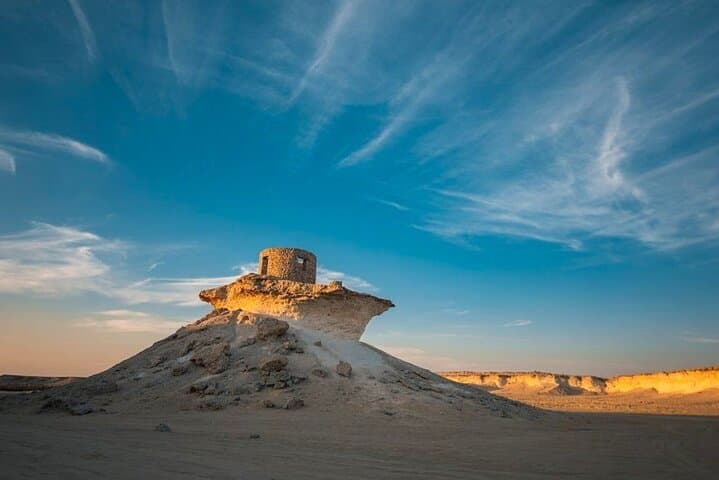
This loop stitches together Qatar’s layered story: Bronze Age settlements and an 18th–19th century pearl-trading economy preserved at Al Zubarah Fort; abandoned stone houses at Al Jumail that echo a once-thriving coastal village; geology shaped by Pleistocene seas that left mushroom-shaped limestone at Ras Brouq. Local guides weave in Qatari culture—traditional dhow building in Al Khor, salt-led trade routes, and the modern interplay of conservation and development.
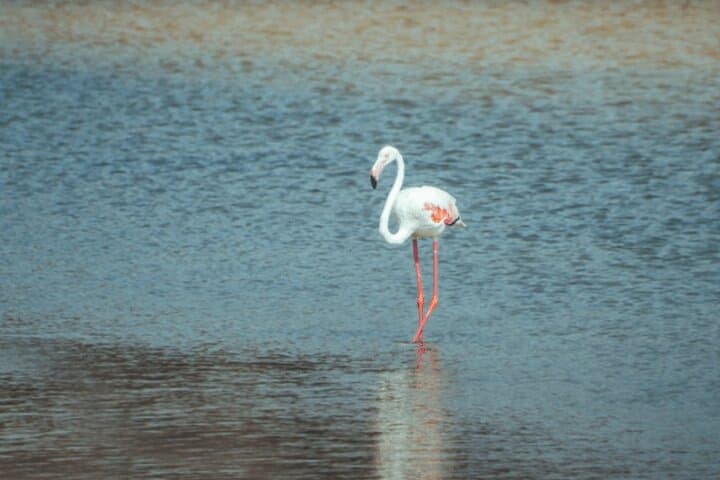
Expect mostly short, easy walks and vehicle transfers in an air-conditioned car; surfaces shift from paved fort courtyards to uneven desert sand and compacted mangrove paths. Photographers find dramatic low-angle light on the rock formations and reflective flats at dawn or late afternoon. Birders should watch tidal channels for waders and flamingos.
Practical notes: bring sun protection, at least 2 liters of water, and closed-toe shoes for rough ground. Respect fenced archaeological areas and dress modestly in towns. The tour runs about 7–8 hours; plan this as a day away from Doha rather than a strenuous hike—it’s a tour of place, not pace.
easy.
7–8 hours.
Light fitness—able to walk short distances (up to 1–2 km) on uneven surfaces and boardwalks
This private full-day tour lasts about 7–8 hours and includes pickup/drop-off in Doha, entry to Al Zubarah Fort, snacks, bottled water/tea, and an English-speaking guide.
Children are welcome (infants should sit on laps); the itinerary involves short walks and uneven ground, so it’s not ideal for those with significant mobility limitations.
Photography is allowed at most outdoor sites, including the Serra plates; please respect any signage at archaeological areas and avoid climbing on installations or ruins.
Light snacks and water/tea are included; full meal options are limited in remote areas so plan to eat before or after the tour or bring a packed lunch if desired.
Al Zubarah grew into a fortified trading port tied to pearl diving and regional trade in the 18th–19th centuries; its walls and settlement remains tell the story of Qatar’s maritime past.
Mangroves on Purple Island are ecologically important for birds and juvenile fish—stay on designated paths and avoid disturbing mudflats; archaeological sites are protected and require respectful visitation.
Falcon Tours operates guided outdoor trips and adventures with an emphasis on safety, stewardship, and memorable experiences.
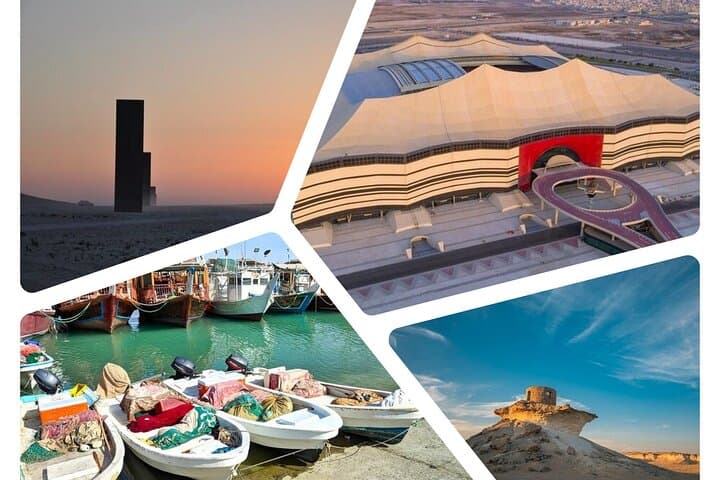
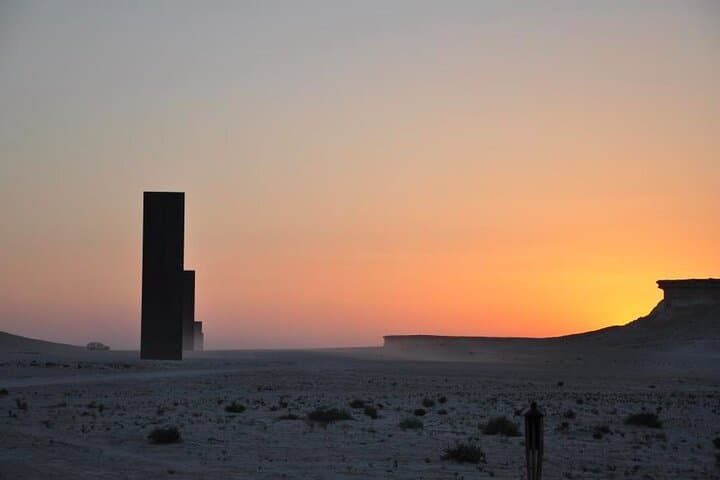
You roll out of Doha before the heat swells, the city skyline shrinking as a long ribbon of highway leads west and north into open desert and coastal flats. Wind-scoured limestone spires rise like islands in a sandy sea at Zekreet; the steel plates of Richard Serra stand stark against empty sky; mangrove channels on Purple Island thread green through tidal mud.
You roll out of Doha before the heat swells, the city skyline shrinking as a long ribbon of highway leads west and north into open desert and coastal flats. Wind-scoured limestone spires rise like islands in a sandy sea at Zekreet; the steel plates of Richard Serra stand stark against empty sky; mangrove channels on Purple Island thread green through tidal mud.
This loop stitches together Qatar’s layered story: Bronze Age settlements and an 18th–19th century pearl-trading economy preserved at Al Zubarah Fort; abandoned stone houses at Al Jumail that echo a once-thriving coastal village; geology shaped by Pleistocene seas that left mushroom-shaped limestone at Ras Brouq. Local guides weave in Qatari culture—traditional dhow building in Al Khor, salt-led trade routes, and the modern interplay of conservation and development.
Expect mostly short, easy walks and vehicle transfers in an air-conditioned car; surfaces shift from paved fort courtyards to uneven desert sand and compacted mangrove paths. Photographers find dramatic low-angle light on the rock formations and reflective flats at dawn or late afternoon. Birders should watch tidal channels for waders and flamingos.
Practical notes: bring sun protection, at least 2 liters of water, and closed-toe shoes for rough ground. Respect fenced archaeological areas and dress modestly in towns. The tour runs about 7–8 hours; plan this as a day away from Doha rather than a strenuous hike—it’s a tour of place, not pace.