THE ADVENTURE COLLECTIVE® · Independent discovery and booking for outdoor travel

Drive beyond Doha for a full day of archaeology, desert rock formations and coastal mangroves. Visit Al Zubarah Fort, wander Zekreet’s lunar limestone, and explore Bin Ghannam’s tidal channels with a private guide.
Drive beyond Doha for a full day of archaeology, desert rock formations and coastal mangroves. Visit Al Zubarah Fort, wander Zekreet’s lunar limestone, and explore Bin Ghannam’s tidal channels with a private guide.
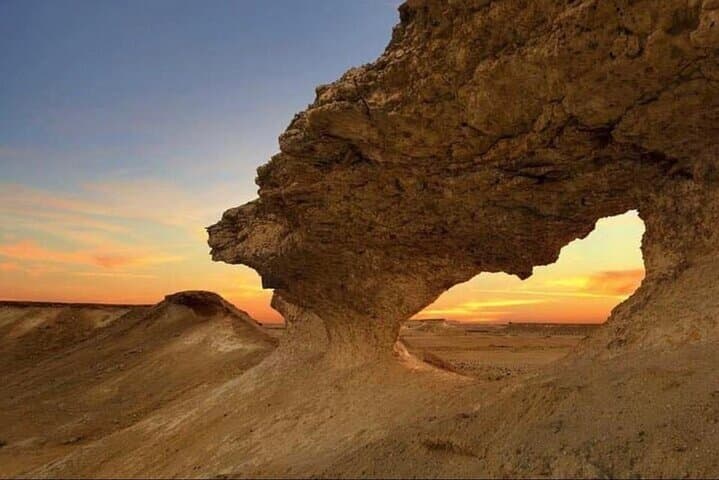
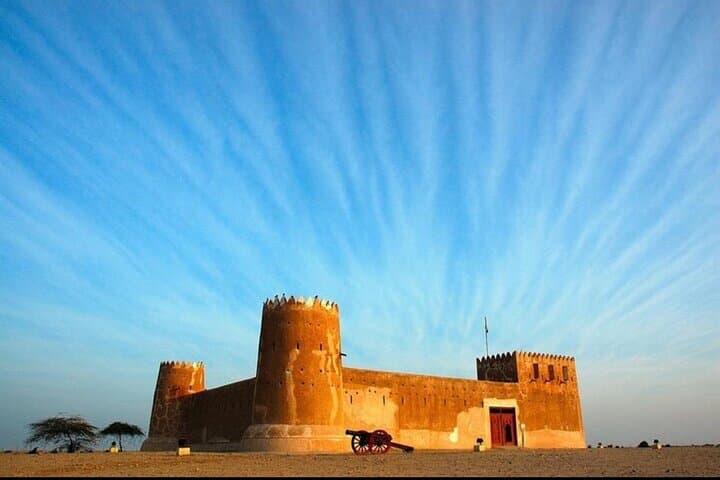
The morning light off Doha’s glass towers fades as the road unfurls north and west, and the city’s hum gives way to wind-scoured flats and the long curve of the coast. You’ll step from the vehicle at a centuries‑old fort and later stand beneath umbrella‑shaped limestone rocks carved by relentless desert wind — the landscape here feels active, as if it’s still shaping itself.
Verified experiences and guided adventures in the surrounding area.
Operated by Wanderlust Tourism · Doha, Doha
The morning light off Doha’s glass towers fades as the road unfurls north and west, and the city’s hum gives way to wind-scoured flats and the long curve of the coast. You’ll step from the vehicle at a centuries‑old fort and later stand beneath umbrella‑shaped limestone rocks carved by relentless desert wind — the landscape here feels active, as if it’s still shaping itself.
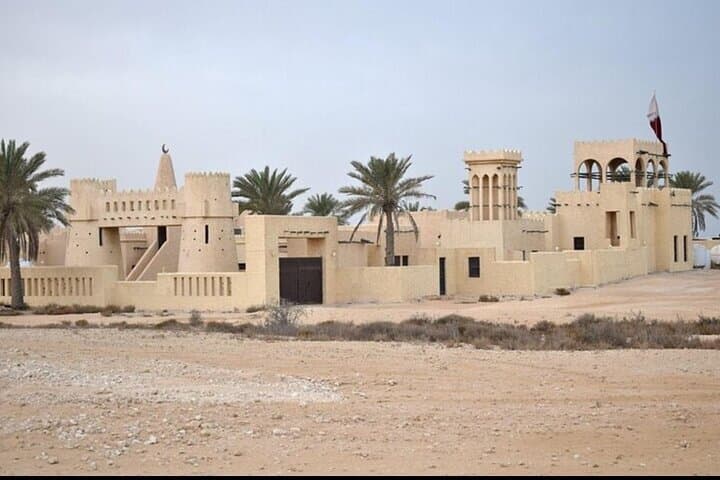
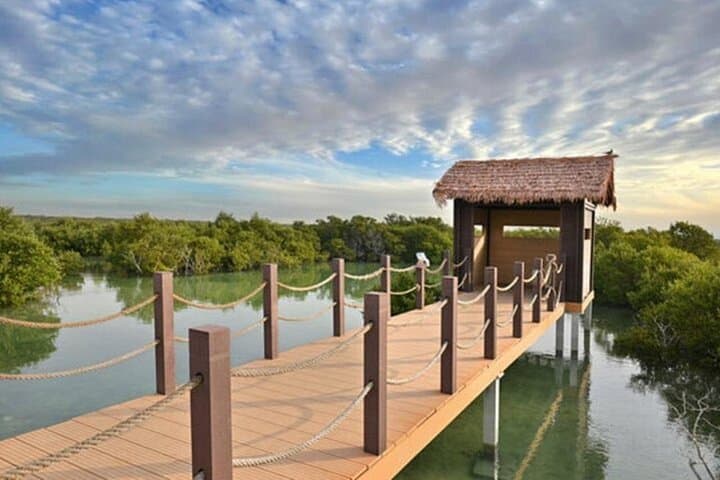
This route threads key chapters of Qatar’s past: Al Zubarah, once a bustling pearling and trading town, now an archaeological canvas protected as a UNESCO World Heritage Site; coastal villages of limestone and mud that echo vernacular building traditions; and the Zekreet Peninsula, where erosion exposes sculpted chalk and fossil beds. The Brouq sculptures, a modern punctuation in the emptiness, point to how contemporary art and geology meet on Qatar’s west coast. The mangroves at Al Thakira and Bin Ghannam (Purple Island) are living edges — nurseries for fish and magnets for migratory birds that kept local communities fed for generations.
Practical guidance: this is a full‑day private tour (6–8 hours) with several short walks on uneven terrain and repeated vehicle transfers. Wear sturdy, closed shoes for rocky outcrops and light layers against wind and sun. Carry a refillable water bottle and sunscreen; shade is limited at many stops. Respect fenced archaeological areas and stay on marked paths in mangroves to protect delicate roots and bird habitat. Timings depend on light and tides — early and late daylight make for best photos and cooler walking. Expect interpretive stops with a local guide, private pickup and drop‑off, and opportunities for photography, birding, and short coastal strolls.
moderate.
6–8 hours.
Moderate fitness: able to walk short distances on uneven terrain, get in/out of vehicles repeatedly, and tolerate heat.
Yes — this private tour includes pickup and drop‑off from Doha; specific pickup location is confirmed at booking.
Admission details vary; confirm with the operator but archaeological site access is typically part of full‑day tour inclusions or arranged on-site.
Yes — expect shorebirds and mangrove species around Bin Ghannam and migratory birds in season; sightings cannot be guaranteed.
Children are welcome; infants must sit on laps and infant seats may be available—check at booking for specifics.
Al Zubarah was a prominent 18th–19th century pearling and trade center; its fort anchors a wider archaeological landscape that chronicles Qatar’s maritime economy.
Mangroves are vital coastal buffers and bird habitat—stick to marked routes and avoid disturbing roots and nesting areas; archaeological sites are fragile, so follow guide rules to prevent damage.
Wanderlust Tourism operates guided outdoor trips and adventures with an emphasis on safety, stewardship, and memorable experiences.
The morning light off Doha’s glass towers fades as the road unfurls north and west, and the city’s hum gives way to wind-scoured flats and the long curve of the coast. You’ll step from the vehicle at a centuries‑old fort and later stand beneath umbrella‑shaped limestone rocks carved by relentless desert wind — the landscape here feels active, as if it’s still shaping itself.
The morning light off Doha’s glass towers fades as the road unfurls north and west, and the city’s hum gives way to wind-scoured flats and the long curve of the coast. You’ll step from the vehicle at a centuries‑old fort and later stand beneath umbrella‑shaped limestone rocks carved by relentless desert wind — the landscape here feels active, as if it’s still shaping itself.
This route threads key chapters of Qatar’s past: Al Zubarah, once a bustling pearling and trading town, now an archaeological canvas protected as a UNESCO World Heritage Site; coastal villages of limestone and mud that echo vernacular building traditions; and the Zekreet Peninsula, where erosion exposes sculpted chalk and fossil beds. The Brouq sculptures, a modern punctuation in the emptiness, point to how contemporary art and geology meet on Qatar’s west coast. The mangroves at Al Thakira and Bin Ghannam (Purple Island) are living edges — nurseries for fish and magnets for migratory birds that kept local communities fed for generations.
Practical guidance: this is a full‑day private tour (6–8 hours) with several short walks on uneven terrain and repeated vehicle transfers. Wear sturdy, closed shoes for rocky outcrops and light layers against wind and sun. Carry a refillable water bottle and sunscreen; shade is limited at many stops. Respect fenced archaeological areas and stay on marked paths in mangroves to protect delicate roots and bird habitat. Timings depend on light and tides — early and late daylight make for best photos and cooler walking. Expect interpretive stops with a local guide, private pickup and drop‑off, and opportunities for photography, birding, and short coastal strolls.