THE ADVENTURE COLLECTIVE® · Independent discovery and booking for outdoor travel

Leave Marrakech before dawn for a private day through the High Atlas to Telouet, Ait Benhaddou and Ouarzazate. Expect mountain panoramas, Berber villages, and historic kasbahs with short uneven walks and cinematic views.
Leave Marrakech before dawn for a private day through the High Atlas to Telouet, Ait Benhaddou and Ouarzazate. Expect mountain panoramas, Berber villages, and historic kasbahs with short uneven walks and cinematic views.
You step out of Marrakech before dawn and the road pulls you into the High Atlas, the air cooling as ridgelines dare you onward. The first stop eases you in with a simple breakfast at a roadside café; steam rises and the driver maps the hours ahead. By midmorning the mountains open into wide panoramas—rock ribs and terraced slopes that mark the divide between the Atlantic/Mediterranean climates and the Sahara to the south.
Verified experiences and guided adventures in the surrounding area.
Operated by Professional Touch · Ait Benhaddou, Drâa-Tafilalet
You step out of Marrakech before dawn and the road pulls you into the High Atlas, the air cooling as ridgelines dare you onward. The first stop eases you in with a simple breakfast at a roadside café; steam rises and the driver maps the hours ahead. By midmorning the mountains open into wide panoramas—rock ribs and terraced slopes that mark the divide between the Atlantic/Mediterranean climates and the Sahara to the south.
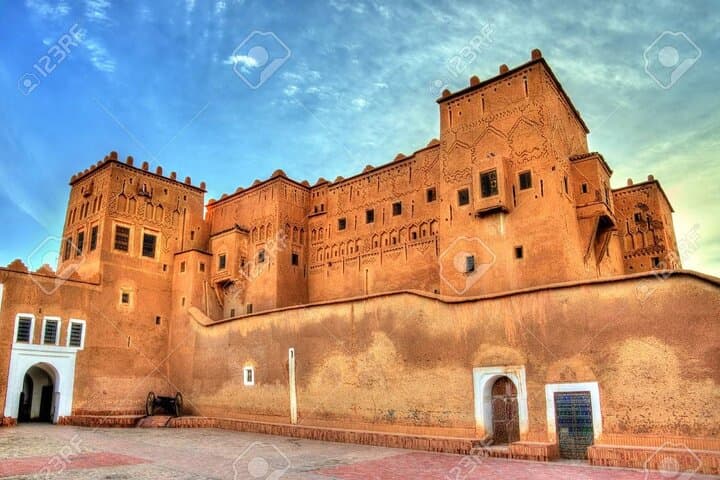
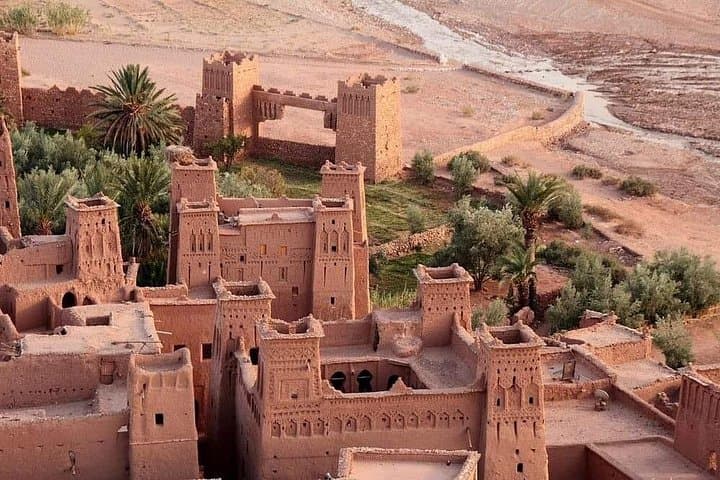
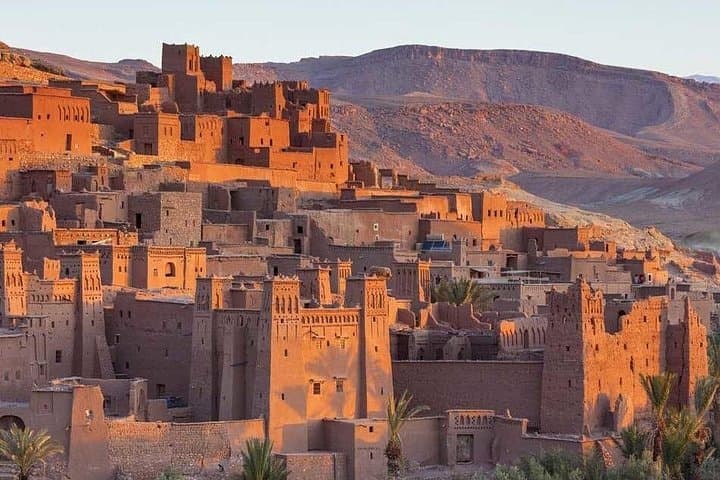
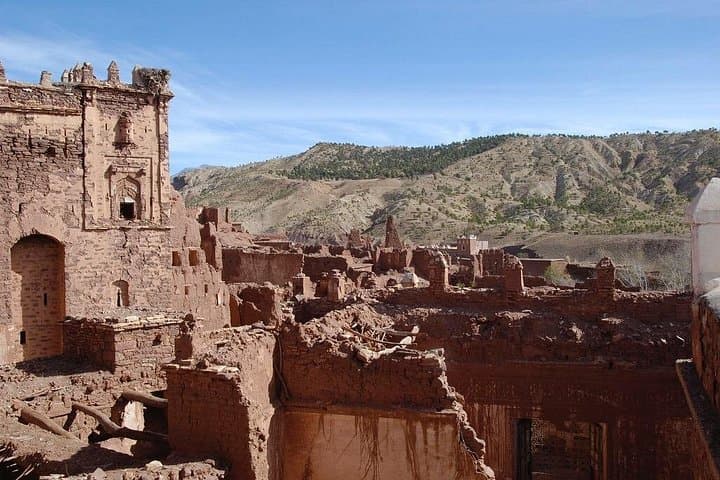
The route threads through Berber villages where stone houses and ancient irrigation terraces speak to lives shaped by altitude and limited water. Telouet Kasbah appears like a forgotten stronghold—stuccoed walls and faded painted motifs where the Glaoui family's history intersects Morocco’s colonial era. Ait Benhaddou, a UNESCO-listed ksar, shows the architecture of trans-Saharan trade: earthen ramparts, narrow alleys, and rooftop views that once watched caravans pass.
Geologically, the High Atlas is young and uplifted, its highest peaks (Toubkal) still carrying winter snow into spring. Culturally, the area is predominantly Berber; local guides bring oral histories and explain kasbah construction and seasonal migration.
Practical guidance: expect a 4–6 hour private day with multiple short walks on uneven stone and clay. Bring sturdy shoes, layered clothing for temperature swings, sunscreen and plenty of water; admissions to some sites may not be included. Photography windows are early morning and late afternoon when light sculpts adobe walls. If you want quieter corners, discuss a tailored pace with your local guide—the private format makes flexibility the trip’s greatest asset.
moderate.
4–6 hours.
Suitable for travelers with moderate fitness—able to step over uneven ground, climb short slopes and walk 15–30 minutes at a time
Yes—private transportation and bottled water/tea or coffee are included; confirm whether lunches or entrance fees are covered when booking.
Expect multiple short walks up to 20–30 minutes on uneven terrain at sites like Ait Benhaddou and Berber villages; the tour is driven between stops.
Not always—some kasbah entrances and studio visits may require separate tickets; check the tour specifics or bring cash to pay on-site.
Yes—being private allows flexibility; discuss timing, pace, and specific interests (photography, local culture) with your guide in advance.
This corridor linked Marrakech to the Sahara for centuries; Ait Benhaddou prospered as a stop on trans-Saharan trade routes and Telouet was a seat of regional power under the Glaoui family.
Local communities depend on fragile water systems and terraced agriculture; stick to paths, avoid single-use plastics and support local businesses to reduce impact.
Professional Touch operates guided outdoor trips and adventures with an emphasis on safety, stewardship, and memorable experiences.
You step out of Marrakech before dawn and the road pulls you into the High Atlas, the air cooling as ridgelines dare you onward. The first stop eases you in with a simple breakfast at a roadside café; steam rises and the driver maps the hours ahead. By midmorning the mountains open into wide panoramas—rock ribs and terraced slopes that mark the divide between the Atlantic/Mediterranean climates and the Sahara to the south.
You step out of Marrakech before dawn and the road pulls you into the High Atlas, the air cooling as ridgelines dare you onward. The first stop eases you in with a simple breakfast at a roadside café; steam rises and the driver maps the hours ahead. By midmorning the mountains open into wide panoramas—rock ribs and terraced slopes that mark the divide between the Atlantic/Mediterranean climates and the Sahara to the south.
The route threads through Berber villages where stone houses and ancient irrigation terraces speak to lives shaped by altitude and limited water. Telouet Kasbah appears like a forgotten stronghold—stuccoed walls and faded painted motifs where the Glaoui family's history intersects Morocco’s colonial era. Ait Benhaddou, a UNESCO-listed ksar, shows the architecture of trans-Saharan trade: earthen ramparts, narrow alleys, and rooftop views that once watched caravans pass.
Geologically, the High Atlas is young and uplifted, its highest peaks (Toubkal) still carrying winter snow into spring. Culturally, the area is predominantly Berber; local guides bring oral histories and explain kasbah construction and seasonal migration.
Practical guidance: expect a 4–6 hour private day with multiple short walks on uneven stone and clay. Bring sturdy shoes, layered clothing for temperature swings, sunscreen and plenty of water; admissions to some sites may not be included. Photography windows are early morning and late afternoon when light sculpts adobe walls. If you want quieter corners, discuss a tailored pace with your local guide—the private format makes flexibility the trip’s greatest asset.