THE ADVENTURE COLLECTIVE® · Independent discovery and booking for outdoor travel

Explore Noboribetsu’s steaming Hell Valley and ride the Mount Usu ropeway for sweeping views of Lake Toya on this full-day Hokkaido tour. Expect geothermal boardwalks, easy vantage points, and optional onsen stops.
Explore Noboribetsu’s steaming Hell Valley and ride the Mount Usu ropeway for sweeping views of Lake Toya on this full-day Hokkaido tour. Expect geothermal boardwalks, easy vantage points, and optional onsen stops.
The bus eases out of Sapporo before dawn and the road narrows into a landscape of scarred volcanic slopes. By mid-morning you step onto the boardwalk at Noboribetsu Jigokudani — steam hissing from fissures, sulfur-scented air tugging at your jacket — and the ground feels like a breathing thing beneath your feet.
Verified experiences and guided adventures in the surrounding area.
Operated by H.I.S.Co., Ltd. · Noboribetsu, Hokkaido
The bus eases out of Sapporo before dawn and the road narrows into a landscape of scarred volcanic slopes. By mid-morning you step onto the boardwalk at Noboribetsu Jigokudani — steam hissing from fissures, sulfur-scented air tugging at your jacket — and the ground feels like a breathing thing beneath your feet.
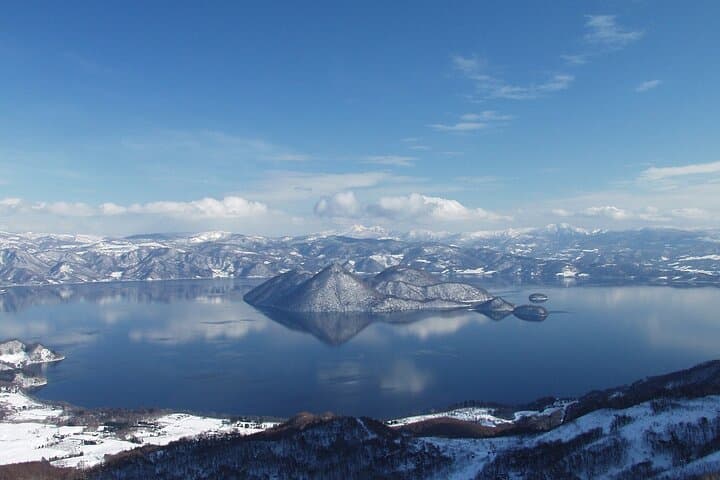
This route stitches together Hokkaido’s volcanic story. Noboribetsu formed from repeated eruptions and hydrothermal activity; nearby Showa-shinzan is an eruption-born dome that rose in the 1940s. Mount Usu and Lake Toya occupy the caldera left by earlier explosions, their steep rims framing a deep, clear lake that reflects Yōtei on a good day. Locals mix Shinto respect for elemental forces with practical onsen culture: thermal waters and foot baths ease the sense of exposure after geothermal vistas.
Expect accessible vantage points rather than long hikes: paved boardwalks through Jigokudani, a short ropeway ride to Mount Usu’s terrace, and relaxed time in the onsen town at Lake Toya. Guides may include the Showa-shinzan Bear Ranch or Silo Observatory depending on season and daylight.
Practical guidance: wear waterproof hiking shoes for muddy boardwalks and a layered jacket — wind and sulfur steam can sting. Bring cash for small entrance fees, souvenirs and lunch (not included). Winter shortens stops and can close higher trails; confirm ropeway operation on cold days. Carry a reusable water bottle and a camera with lens protection: steam and spray can fog glass but the panoramic frames are worth it.
easy.
10 hours.
Suitable for most fitness levels; requires short, flat boardwalk walks and occasional stairs at viewpoints
The tour is approximately 10 hours and typically departs from Sapporo-area hotel lobbies; check your booking for the exact pickup location and time.
A ropeway ticket to Mount Usu and Showa-shinzan/Bear Ranch access are included only with the ticket plan—confirm which plan you booked.
Yes; the tour is marked physically easy. Infants must sit on an adult’s lap during transport; supervise children closely around geothermal vents.
Operators may alter the itinerary or shorten stops if snow, heavy rain, or reduced daylight affect safety; check cancellation policies and local weather before travel.
Showa-shinzan formed rapidly between 1943–1945 after an eruption; the region’s volcanic activity shaped local settlement and onsen traditions.
This area is part of a recognized geopark—stay on designated paths to protect fragile geothermal ground and use onsen facilities responsibly to limit water and energy use.
H.I.S.Co., Ltd. operates guided outdoor trips and adventures with an emphasis on safety, stewardship, and memorable experiences.
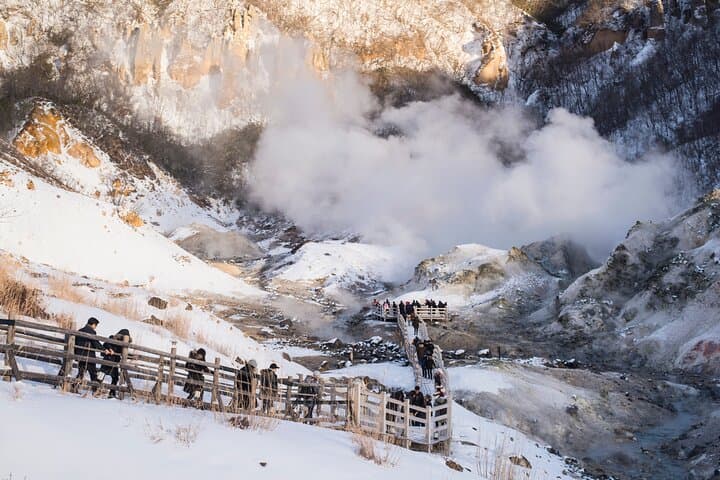
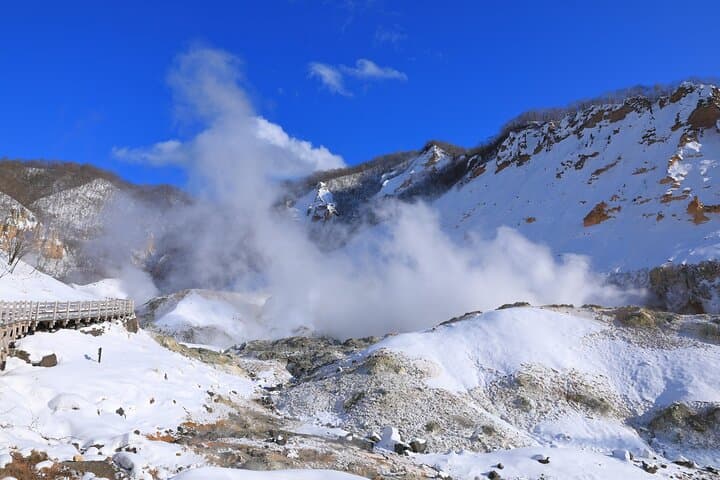
The bus eases out of Sapporo before dawn and the road narrows into a landscape of scarred volcanic slopes. By mid-morning you step onto the boardwalk at Noboribetsu Jigokudani — steam hissing from fissures, sulfur-scented air tugging at your jacket — and the ground feels like a breathing thing beneath your feet.
The bus eases out of Sapporo before dawn and the road narrows into a landscape of scarred volcanic slopes. By mid-morning you step onto the boardwalk at Noboribetsu Jigokudani — steam hissing from fissures, sulfur-scented air tugging at your jacket — and the ground feels like a breathing thing beneath your feet.
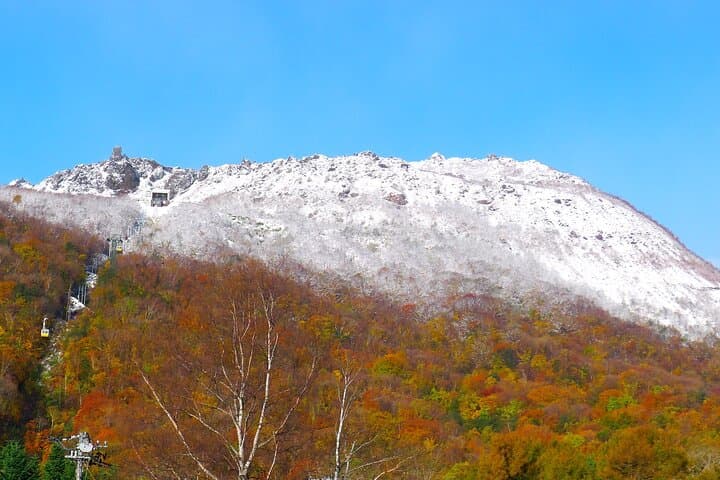
This route stitches together Hokkaido’s volcanic story. Noboribetsu formed from repeated eruptions and hydrothermal activity; nearby Showa-shinzan is an eruption-born dome that rose in the 1940s. Mount Usu and Lake Toya occupy the caldera left by earlier explosions, their steep rims framing a deep, clear lake that reflects Yōtei on a good day. Locals mix Shinto respect for elemental forces with practical onsen culture: thermal waters and foot baths ease the sense of exposure after geothermal vistas.
Expect accessible vantage points rather than long hikes: paved boardwalks through Jigokudani, a short ropeway ride to Mount Usu’s terrace, and relaxed time in the onsen town at Lake Toya. Guides may include the Showa-shinzan Bear Ranch or Silo Observatory depending on season and daylight.
Practical guidance: wear waterproof hiking shoes for muddy boardwalks and a layered jacket — wind and sulfur steam can sting. Bring cash for small entrance fees, souvenirs and lunch (not included). Winter shortens stops and can close higher trails; confirm ropeway operation on cold days. Carry a reusable water bottle and a camera with lens protection: steam and spray can fog glass but the panoramic frames are worth it.