THE ADVENTURE COLLECTIVE® · Independent discovery and booking for outdoor travel

Explore Nizwa’s 17th-century fort, haggle through a bustling souq, then climb into Jebel Akhdar’s cooler rose farms and pomegranate terraces. This full-day guided tour blends history, farming culture and highland views with practical stops for photos and local treats.
Explore Nizwa’s 17th-century fort, haggle through a bustling souq, then climb into Jebel Akhdar’s cooler rose farms and pomegranate terraces. This full-day guided tour blends history, farming culture and highland views with practical stops for photos and local treats.
You step out of an air-conditioned van into a sunwashed town where stone walls throw hard shadows and the call to trade drifts from alleys lined with copper and pottery.
Verified experiences and guided adventures in the surrounding area.
Operated by WikiTours Adventures · Nizwa, Ad Dakhiliyah
You step out of an air-conditioned van into a sunwashed town where stone walls throw hard shadows and the call to trade drifts from alleys lined with copper and pottery.
The day begins at Nizwa Fort, a compact citadel of circular towers and steep ramps that once controlled caravan routes across Oman’s interior. From its ramparts the Al Hajar range cuts the horizon—a raw, folded geology of limestone and faulted terraces that becomes Jebel Akhdar higher up, where cooler air lets terraces hold pomegranate groves and rose gardens.
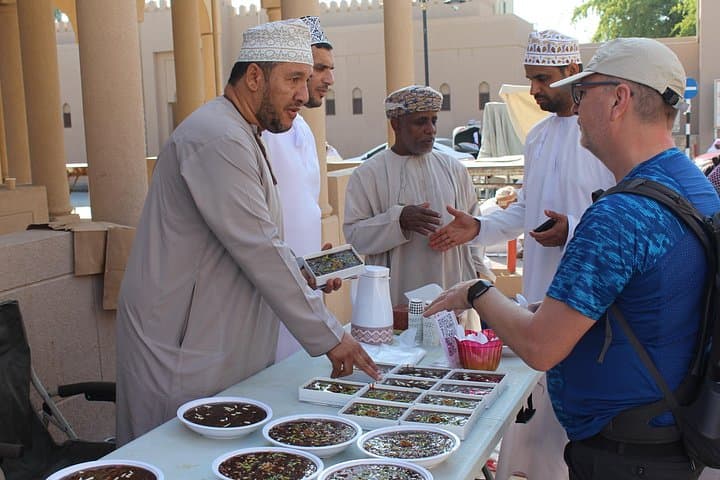
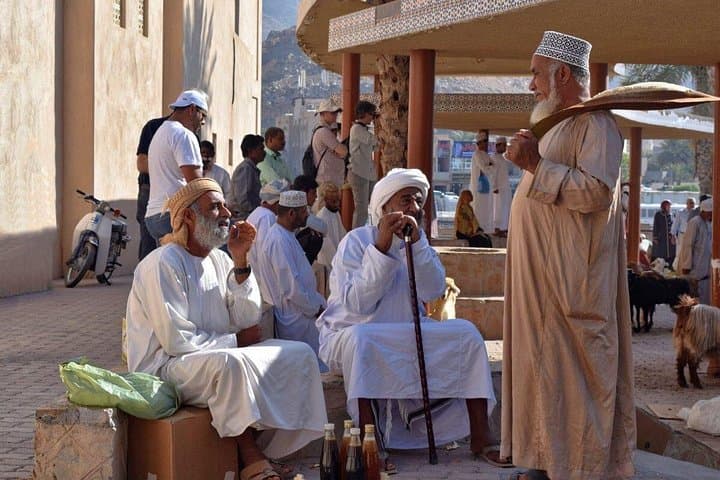
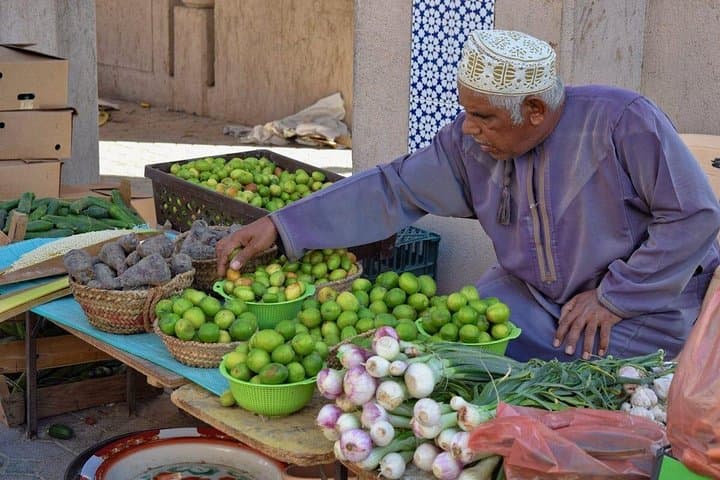
At Nizwa Souq, vendors still haggle over dates, silver khanjars and local honey—markets that trace their layout back centuries of tribal trade. The tour moves into traditional falaj irrigation country: narrow stone channels that have routed mountain water to villages for generations and support the farms that make rosewater and late-summer grapes here.
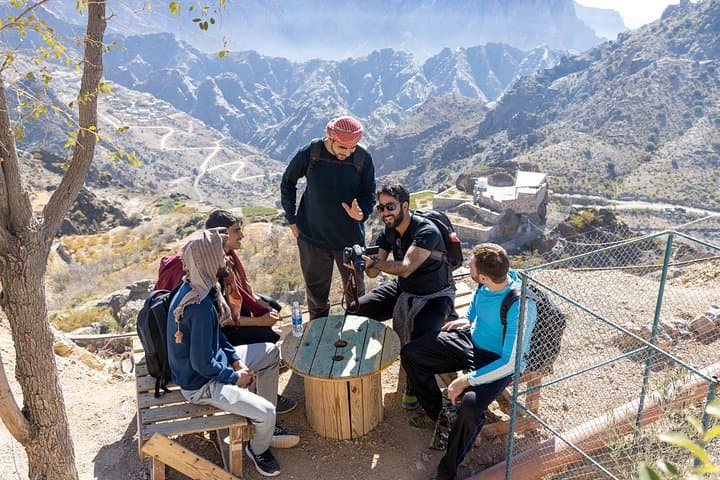
On Jebel Akhdar the pace shifts to walking between stone villages and stepped farms on the Saiq Plateau; seasonal blooms or fruit stands change the color palette. Guides explain Yaruba-era architecture, local irrigation practice and the modest fees that sustain the fort and conservation of the highlands.
Practical notes: this is an 8–10 hour outing with long drives on mountain roads, short walks on uneven village tracks, and altitude that can be noticeably cooler than Muscat. Bring sun protection, a light layer for the plateau, comfortable walking shoes and bottled water. Plan for a small admittance fee at the fort and modest stops at farm stores for seasonal produce.
easy.
8–10 hours.
Suitable for travelers in average fitness; involves short walks and standing during market visits and moderate altitude driving.
The tour runs about 8–10 hours; pickup typically starts at 8:00 AM with drop-off around 5:00 PM depending on traffic and stops.
Nizwa Fort admission (around 5 OMR) is not included by default—bring small cash to pay on arrival.
Yes—this is rated easy and suitable for most ages; infants should sit on laps during travel and some walking is required.
Guides often adapt stops by season—rose factory visits in March and fruit stops in summer—mention preferences when booking.
Nizwa was Oman’s early capital and the fort reflects Yaruba-era 17th-century military and economic power; local falaj systems date back millennia.
Jebel Akhdar faces pressure from increased visitors and water use; stick to paths, avoid removing plants and support local guides and entrance fees that fund protection.
WikiTours Adventures operates guided outdoor trips and adventures with an emphasis on safety, stewardship, and memorable experiences.
You step out of an air-conditioned van into a sunwashed town where stone walls throw hard shadows and the call to trade drifts from alleys lined with copper and pottery.
You step out of an air-conditioned van into a sunwashed town where stone walls throw hard shadows and the call to trade drifts from alleys lined with copper and pottery.
The day begins at Nizwa Fort, a compact citadel of circular towers and steep ramps that once controlled caravan routes across Oman’s interior. From its ramparts the Al Hajar range cuts the horizon—a raw, folded geology of limestone and faulted terraces that becomes Jebel Akhdar higher up, where cooler air lets terraces hold pomegranate groves and rose gardens.
At Nizwa Souq, vendors still haggle over dates, silver khanjars and local honey—markets that trace their layout back centuries of tribal trade. The tour moves into traditional falaj irrigation country: narrow stone channels that have routed mountain water to villages for generations and support the farms that make rosewater and late-summer grapes here.
On Jebel Akhdar the pace shifts to walking between stone villages and stepped farms on the Saiq Plateau; seasonal blooms or fruit stands change the color palette. Guides explain Yaruba-era architecture, local irrigation practice and the modest fees that sustain the fort and conservation of the highlands.
Practical notes: this is an 8–10 hour outing with long drives on mountain roads, short walks on uneven village tracks, and altitude that can be noticeably cooler than Muscat. Bring sun protection, a light layer for the plateau, comfortable walking shoes and bottled water. Plan for a small admittance fee at the fort and modest stops at farm stores for seasonal produce.