THE ADVENTURE COLLECTIVE® · Independent discovery and booking for outdoor travel

A full-day loop from Hanoi that pairs a UNESCO-recognized river cave cruise in Trang An with cycling through the ancient capital of Hoa Lu and a 500-step climb to Mua Cave’s panoramic ridge. Expect karst tunnels, village roads, and sweeping rice-flat views.
A full-day loop from Hanoi that pairs a UNESCO-recognized river cave cruise in Trang An with cycling through the ancient capital of Hoa Lu and a 500-step climb to Mua Cave’s panoramic ridge. Expect karst tunnels, village roads, and sweeping rice-flat views.
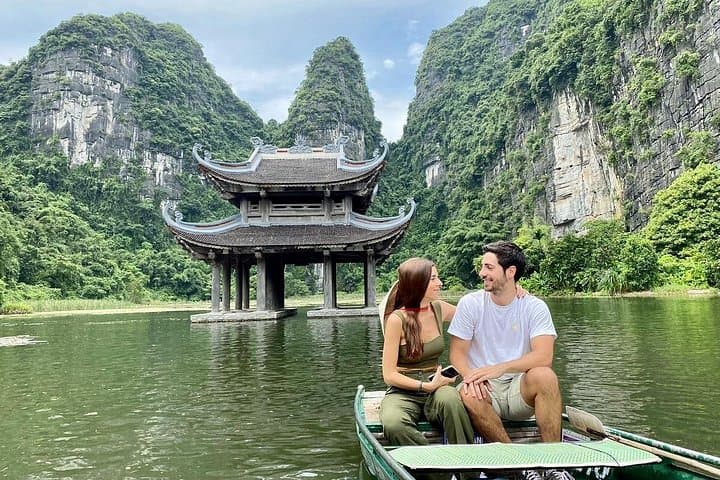
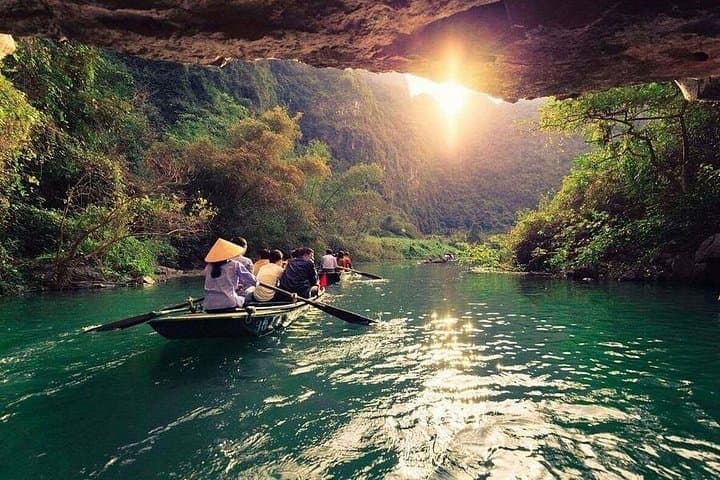
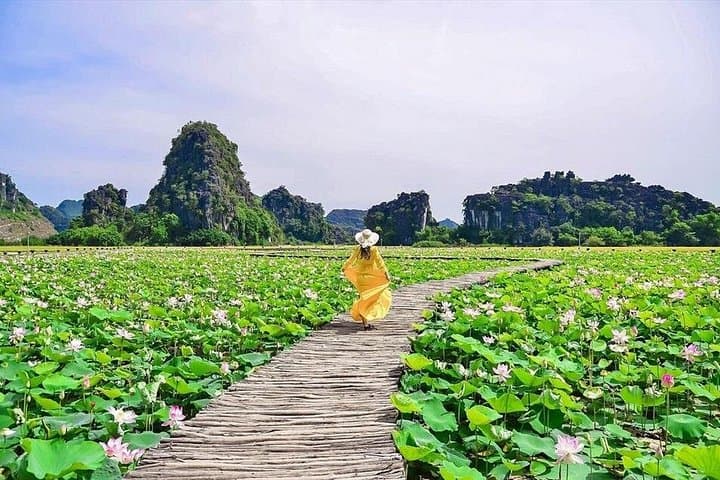
You step off the minibus into a low plain of flooded rice fields and saw-tooth limestone karsts rising like pale cliffs from green water. A wooden boat waits under a low cave mouth; the river nudges forward and the guide maneuvers through a sequence of narrow tunnels that open into sunlit pools. Later, a steep stone stairway of nearly 500 steps pulls you upward through scrub and thorny vines to a ridge with a sweeping panorama of Tam Coc’s river loops.
Verified experiences and guided adventures in the surrounding area.
Operated by Inbound Vietnam Travel · Ninh Binh, Ninh Binh Province
You step off the minibus into a low plain of flooded rice fields and saw-tooth limestone karsts rising like pale cliffs from green water. A wooden boat waits under a low cave mouth; the river nudges forward and the guide maneuvers through a sequence of narrow tunnels that open into sunlit pools. Later, a steep stone stairway of nearly 500 steps pulls you upward through scrub and thorny vines to a ridge with a sweeping panorama of Tam Coc’s river loops.
The route threads together Vietnam’s Tangible past and living landscape: Hoa Lu, the 10th–11th century capital, preserves small temples and inscriptions that explain early feudal power. The karst geometry is classic carbonate limestone—caves, sinkholes and subterranean rivers shaped by millennia of dissolution—and filmmakers have used the dramatic caves and cliffs as backdrops.
Culture here is rural and kinetic: farmers working flood-irrigated paddies, cyclo and bicycle lanes through tiny hamlets, and simple restaurants serving goat, river fish and rice. Expect a 2-hour boat passage through Trang An’s cave network, a gentle village cycle loop, and a hearty climb to Mua Cave’s viewpoint (500 steps, roughly 100–150 m elevation gain).
Plan practically: start early to avoid midday heat, wear grippy shoes for wet steps, carry water and sun protection, and keep a small daypack for camera and layers. Boats are calm but bring a light rain jacket in wet season—caves can be damp and steps slippery. The day is experiential, alternating slow river calm with a brisk climb and wide limestone views—ideal for travelers who want a full, varied day outside Hanoi.
moderate.
7–12 hours.
Moderate endurance for a day of light cycling, a two‑hour seated boat trip, and a sustained stair climb; comfortable for most active travelers.
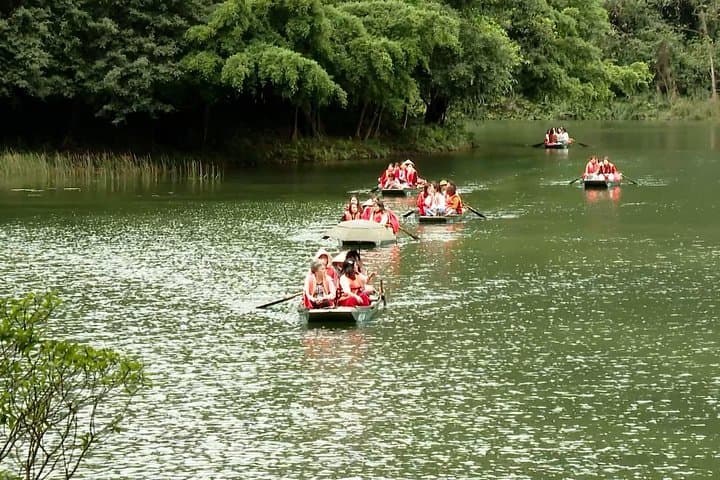
The guided boat segment lasts about two hours and travels through several caves and open water channels—it's a relaxed, seated experience operated by local rowers.
The ascent is roughly 500 stone steps with some steep sections; it requires moderate fitness and steady footing but is manageable for most people in good health.
This tour’s itinerary indicates admission and a buffet lunch are included; always confirm inclusions at booking and keep small cash for extras.
While transport and some areas are accessible, the boat and Mua Cave viewpoint with many steps are not wheelchair-friendly—check operator details for tailored accessibility options.
Hoa Lu was Vietnam’s capital under the Đinh and Lê dynasties (968–1010), with surviving temples and stone markers that recall early feudal administration.
Boat operators limit routes to protect cave interiors; avoid littering, use refillable water bottles, and follow posted rules to minimize wear on trails and rice-field edges.
Inbound Vietnam Travel operates guided outdoor trips and adventures with an emphasis on safety, stewardship, and memorable experiences.
You step off the minibus into a low plain of flooded rice fields and saw-tooth limestone karsts rising like pale cliffs from green water. A wooden boat waits under a low cave mouth; the river nudges forward and the guide maneuvers through a sequence of narrow tunnels that open into sunlit pools. Later, a steep stone stairway of nearly 500 steps pulls you upward through scrub and thorny vines to a ridge with a sweeping panorama of Tam Coc’s river loops.
You step off the minibus into a low plain of flooded rice fields and saw-tooth limestone karsts rising like pale cliffs from green water. A wooden boat waits under a low cave mouth; the river nudges forward and the guide maneuvers through a sequence of narrow tunnels that open into sunlit pools. Later, a steep stone stairway of nearly 500 steps pulls you upward through scrub and thorny vines to a ridge with a sweeping panorama of Tam Coc’s river loops.
The route threads together Vietnam’s Tangible past and living landscape: Hoa Lu, the 10th–11th century capital, preserves small temples and inscriptions that explain early feudal power. The karst geometry is classic carbonate limestone—caves, sinkholes and subterranean rivers shaped by millennia of dissolution—and filmmakers have used the dramatic caves and cliffs as backdrops.
Culture here is rural and kinetic: farmers working flood-irrigated paddies, cyclo and bicycle lanes through tiny hamlets, and simple restaurants serving goat, river fish and rice. Expect a 2-hour boat passage through Trang An’s cave network, a gentle village cycle loop, and a hearty climb to Mua Cave’s viewpoint (500 steps, roughly 100–150 m elevation gain).
Plan practically: start early to avoid midday heat, wear grippy shoes for wet steps, carry water and sun protection, and keep a small daypack for camera and layers. Boats are calm but bring a light rain jacket in wet season—caves can be damp and steps slippery. The day is experiential, alternating slow river calm with a brisk climb and wide limestone views—ideal for travelers who want a full, varied day outside Hanoi.