THE ADVENTURE COLLECTIVE® · Independent discovery and booking for outdoor travel

Spend a full day walking Nikko’s spiritual core: ornately carved Toshogu Shrine, the sacred Shinkyo Bridge, and mossy temple approaches. This guided route blends deep Edo-period history with volcanic landscapes—plan for stairs, cobbles, and wet weather.
Spend a full day walking Nikko’s spiritual core: ornately carved Toshogu Shrine, the sacred Shinkyo Bridge, and mossy temple approaches. This guided route blends deep Edo-period history with volcanic landscapes—plan for stairs, cobbles, and wet weather.
A gray-blue morning peels back over the cedar-lined approach to Toshogu; the air smells of damp stone and pine, and the Shinkyo Bridge arches like an old promise across the river. You move at a steady pace—stairs, cobbles, and temple steps—while a guide threads together the region’s stories between shrines and moss-covered lanterns.
Verified experiences and guided adventures in the surrounding area.
Operated by InsideOutJapan · Nikko, Tochigi
A gray-blue morning peels back over the cedar-lined approach to Toshogu; the air smells of damp stone and pine, and the Shinkyo Bridge arches like an old promise across the river. You move at a steady pace—stairs, cobbles, and temple steps—while a guide threads together the region’s stories between shrines and moss-covered lanterns.
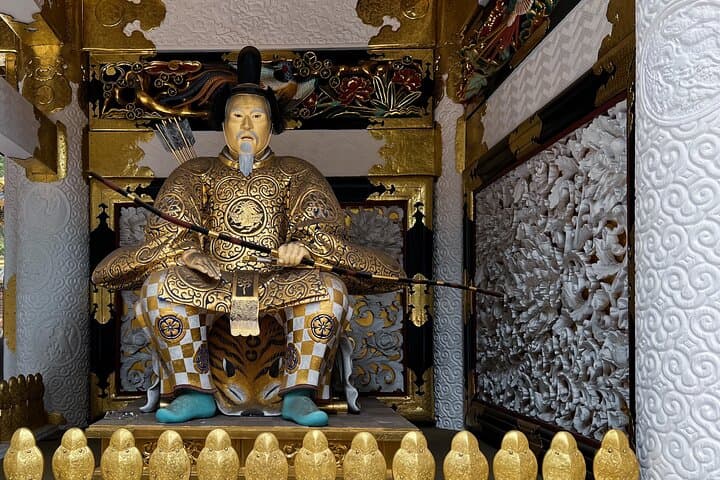
Nikko’s cultural core centers on Toshogu, the ornate mausoleum of Tokugawa Ieyasu and a UNESCO World Heritage site. Nearby Futarasan Shrine dates to the 8th century, anchoring mountain worship that shaped local pilgrimage routes. Geologically, Nikko sits on the flanks of volcanic peaks—Mt. Nantai and ridgelines that fed Lake Chuzenji—so expect sudden grade changes, river gorges, and the damp microclimates that darken stone and encourage moss.
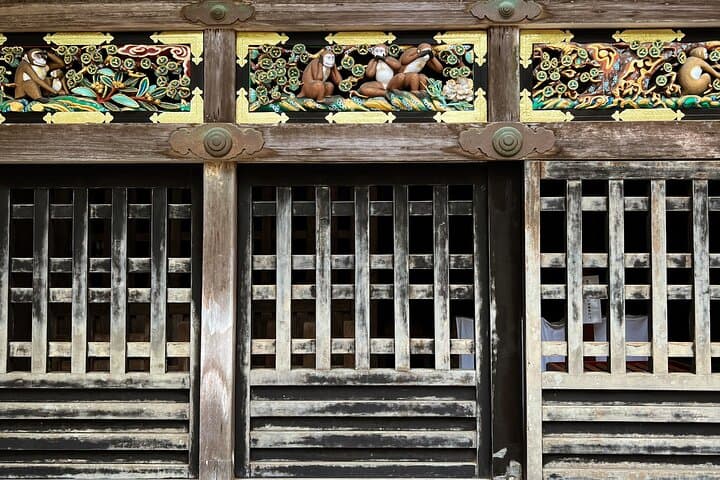
Culturally the city oscillates between Edo-period grandeur and quiet rural life: lacquered gates and carved reliefs give way to narrow streets of inns and tea houses. On this full-day walking itinerary you’ll cover long approaches between sites (transport from Tokyo not included) and climb temple stairs that demand steady footing and stamina.
Practical essentials: carry cash for entry fees (Toshogu ~1,600 JPY) and local transport, wear solid hiking shoes, and layer against afternoon rain. Start early to beat buses and aim to move deliberately on slippery steps; the guide provides historical context but the route itself is physically demanding. Respect shrine etiquette, stay on designated paths, and pace hydration—Nikko rewards attention with close-up craftsmanship, quiet side trails, and big ridgeline views when the clouds lift.
challenging.
9–10 hours.
You should have a high level of cardiovascular fitness and be comfortable walking on uneven terrain for long periods; stair-climbing ability is important.
No; the tour description notes transportation fees are not included—expect roughly ¥5,000 round-trip from Ueno by rail and bus depending on service.
Entrance fees (for example Toshogu’s ~¥1,600) are typically not included in the tour price and must be paid on site.
This itinerary involves many stairs and uneven surfaces and is not recommended for those with spinal, cardiovascular, or significant mobility limitations.
Guiding is provided in English or Italian as noted in the inclusions, but double-check availability when booking.
Nikko’s major shrines and temples grew wealthy and elaborate in the Edo period; Toshogu was built as the mausoleum for Tokugawa Ieyasu and later expanded into a statement of shogunal power.
Nikko balances heavy visitor traffic with conservation efforts—stay on marked trails, avoid touching carvings, and support local businesses to keep cultural sites maintained.
InsideOutJapan operates guided outdoor trips and adventures with an emphasis on safety, stewardship, and memorable experiences.
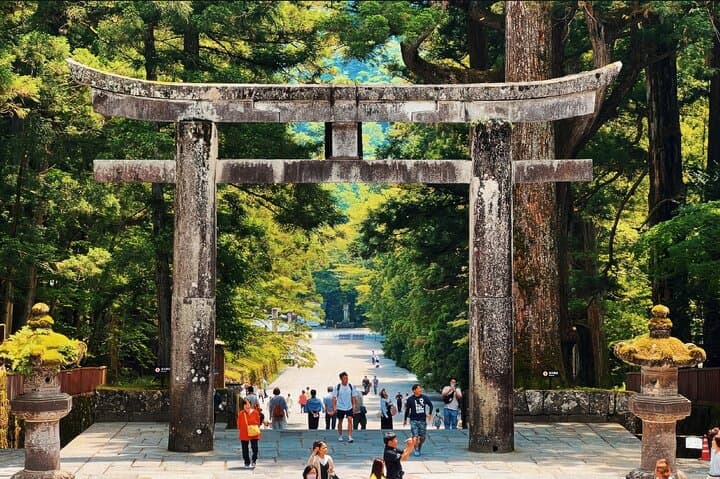
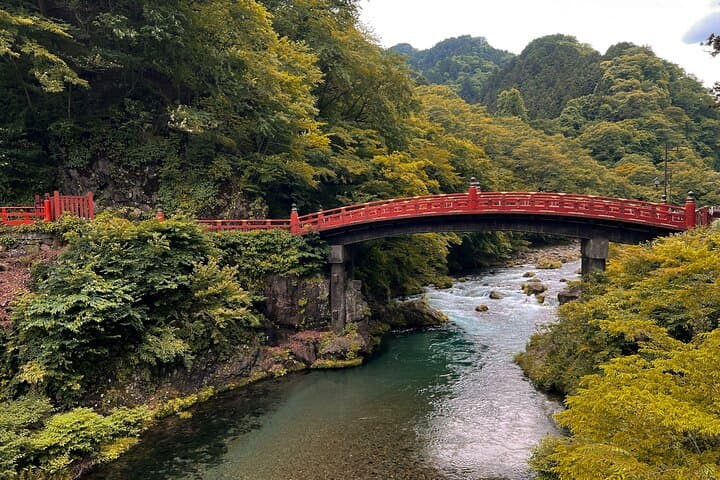
A gray-blue morning peels back over the cedar-lined approach to Toshogu; the air smells of damp stone and pine, and the Shinkyo Bridge arches like an old promise across the river. You move at a steady pace—stairs, cobbles, and temple steps—while a guide threads together the region’s stories between shrines and moss-covered lanterns.
A gray-blue morning peels back over the cedar-lined approach to Toshogu; the air smells of damp stone and pine, and the Shinkyo Bridge arches like an old promise across the river. You move at a steady pace—stairs, cobbles, and temple steps—while a guide threads together the region’s stories between shrines and moss-covered lanterns.
Nikko’s cultural core centers on Toshogu, the ornate mausoleum of Tokugawa Ieyasu and a UNESCO World Heritage site. Nearby Futarasan Shrine dates to the 8th century, anchoring mountain worship that shaped local pilgrimage routes. Geologically, Nikko sits on the flanks of volcanic peaks—Mt. Nantai and ridgelines that fed Lake Chuzenji—so expect sudden grade changes, river gorges, and the damp microclimates that darken stone and encourage moss.
Culturally the city oscillates between Edo-period grandeur and quiet rural life: lacquered gates and carved reliefs give way to narrow streets of inns and tea houses. On this full-day walking itinerary you’ll cover long approaches between sites (transport from Tokyo not included) and climb temple stairs that demand steady footing and stamina.
Practical essentials: carry cash for entry fees (Toshogu ~1,600 JPY) and local transport, wear solid hiking shoes, and layer against afternoon rain. Start early to beat buses and aim to move deliberately on slippery steps; the guide provides historical context but the route itself is physically demanding. Respect shrine etiquette, stay on designated paths, and pace hydration—Nikko rewards attention with close-up craftsmanship, quiet side trails, and big ridgeline views when the clouds lift.