THE ADVENTURE COLLECTIVE® · Independent discovery and booking for outdoor travel

A full-day guided exploration that pairs Toshogu Shrine’s ornate Edo-period architecture with the raw power of Kegon Falls. Perfect for travelers wanting historic context and accessible nature outside Tokyo.
A full-day guided exploration that pairs Toshogu Shrine’s ornate Edo-period architecture with the raw power of Kegon Falls. Perfect for travelers wanting historic context and accessible nature outside Tokyo.
You emerge from the train into cool mountain air and a river that seems to hurry you toward the forested faces above. Stone lanterns flank the path to Toshogu, where lacquered gates and gilded carvings catch the sun; later the ground drops away to the thunder of Kegon Falls as mist grabs at your jacket.
Verified experiences and guided adventures in the surrounding area.
Operated by 中島陽紀 · Nikkō, Tochigi
You emerge from the train into cool mountain air and a river that seems to hurry you toward the forested faces above. Stone lanterns flank the path to Toshogu, where lacquered gates and gilded carvings catch the sun; later the ground drops away to the thunder of Kegon Falls as mist grabs at your jacket.
Nikko’s cultural layer cake is visible in every carved roof and bridge—Shinto and Buddhist sites that grew under the Tokugawa shogunate’s power. Geologically, this is volcanic country: Lake Chūzenji and Kegon Falls were shaped by eruptions and glacial runoff, producing a 97 m curtain of water that still demands attention. The Shinkyo Bridge and Rinno-ji’s Sanbutsudō reflect centuries of ritual travel to these mountains.
A certified guide threads the story and practicalities together: where to view the Three Wise Monkeys, how to read shrine architecture, and the routes that avoid crowds. Expect paved approaches, stepped shrine grounds, and a short elevator ride at the Kegon observation deck rather than strenuous hiking.
Plan for a long day—the full-day private format runs about 12–13 hours from Tokyo. Wear supportive footwear, carry a rain layer and layered warmth, and budget for shrine entrances and transport. Early starts beat tour buses; autumn foliage or late-spring greenery heighten the drama. Respect sacred spaces, follow posted rules at viewpoints, and leave no trace: the place keeps its quiet because visitors do.
moderate.
12–13 hours.
Moderate fitness for a day that includes walking on uneven ground and standing at viewpoints; not strenuous hiking.
The private full-day tour lasts about 12–13 hours. Most departures are from Tokyo with pickup details confirmed at booking.
The guide is included, but shrine and waterfall admission are typically extra—confirm with the operator before travel.
The tour is family-friendly but requires moderate walking and many stairs; travelers with mobility issues should notify the operator in advance.
Yes—the itinerary is designed to cover major Nikko sites in a single full day with a certified guide and transport.
Nikko rose to national prominence under the Tokugawa shogunate; Toshogu enshrines Tokugawa Ieyasu and showcases Edo-period political and artistic power.
Nikko National Park manages visitor impact with defined trails and signage—stay on paths and avoid feeding wildlife to protect fragile ecosystems.
中島陽紀 operates guided outdoor trips and adventures with an emphasis on safety, stewardship, and memorable experiences.
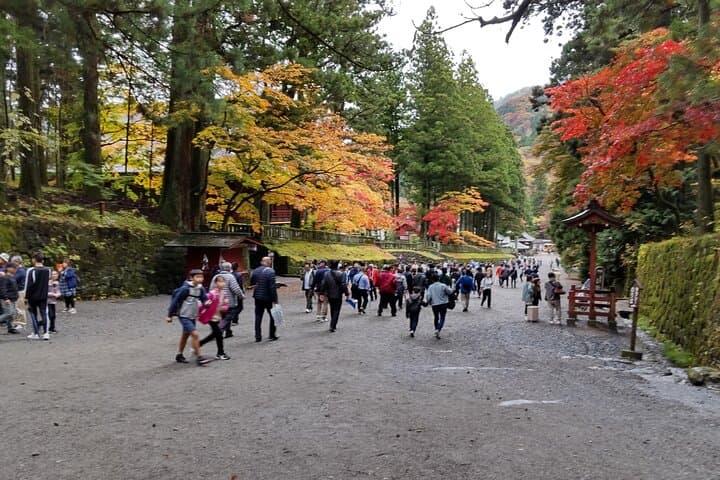
You emerge from the train into cool mountain air and a river that seems to hurry you toward the forested faces above. Stone lanterns flank the path to Toshogu, where lacquered gates and gilded carvings catch the sun; later the ground drops away to the thunder of Kegon Falls as mist grabs at your jacket.
You emerge from the train into cool mountain air and a river that seems to hurry you toward the forested faces above. Stone lanterns flank the path to Toshogu, where lacquered gates and gilded carvings catch the sun; later the ground drops away to the thunder of Kegon Falls as mist grabs at your jacket.
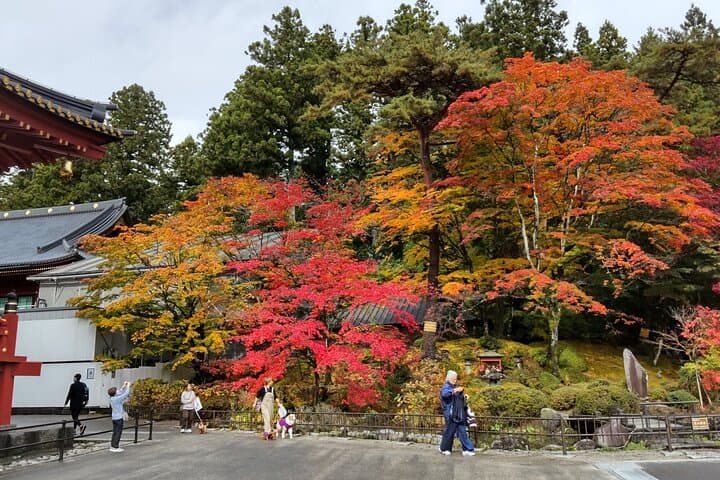
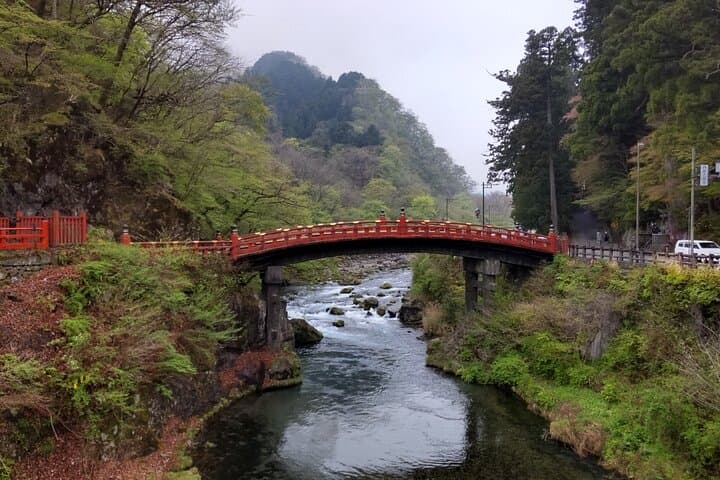
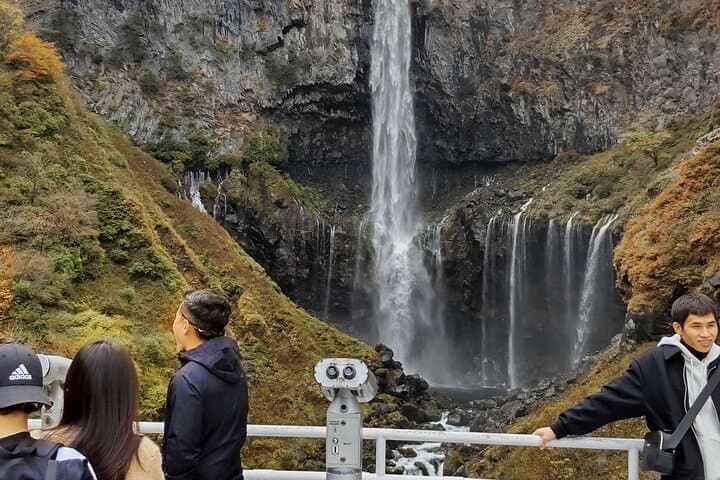
Nikko’s cultural layer cake is visible in every carved roof and bridge—Shinto and Buddhist sites that grew under the Tokugawa shogunate’s power. Geologically, this is volcanic country: Lake Chūzenji and Kegon Falls were shaped by eruptions and glacial runoff, producing a 97 m curtain of water that still demands attention. The Shinkyo Bridge and Rinno-ji’s Sanbutsudō reflect centuries of ritual travel to these mountains.
A certified guide threads the story and practicalities together: where to view the Three Wise Monkeys, how to read shrine architecture, and the routes that avoid crowds. Expect paved approaches, stepped shrine grounds, and a short elevator ride at the Kegon observation deck rather than strenuous hiking.
Plan for a long day—the full-day private format runs about 12–13 hours from Tokyo. Wear supportive footwear, carry a rain layer and layered warmth, and budget for shrine entrances and transport. Early starts beat tour buses; autumn foliage or late-spring greenery heighten the drama. Respect sacred spaces, follow posted rules at viewpoints, and leave no trace: the place keeps its quiet because visitors do.