THE ADVENTURE COLLECTIVE® · Independent discovery and booking for outdoor travel

Spend a full day exploring Nikko’s UNESCO shrines, Kegon Falls and Lake Chuzenji with a licensed guide-driver. This guided private bus tour combines efficient logistics with local insight for an immersive cultural and natural day trip from Tokyo.
Spend a full day exploring Nikko’s UNESCO shrines, Kegon Falls and Lake Chuzenji with a licensed guide-driver. This guided private bus tour combines efficient logistics with local insight for an immersive cultural and natural day trip from Tokyo.
A cool morning settles over the cedar avenue as the bus pulls up near the carved gates of Toshogu; sunlight slices through the trees and the river below seems to dare you to follow its course. The approach is sudden and quiet — lacquered wood, gilded carvings and the hush of ancient rituals framing the day.
Verified experiences and guided adventures in the surrounding area.
Operated by GGTS GUIDE TOUR DISTRICT · Nikko, Tochigi
A cool morning settles over the cedar avenue as the bus pulls up near the carved gates of Toshogu; sunlight slices through the trees and the river below seems to dare you to follow its course. The approach is sudden and quiet — lacquered wood, gilded carvings and the hush of ancient rituals framing the day.
Nikkō’s cultural heartland grew under Tokugawa Ieyasu’s patronage in the 17th century; Toshogu’s ornate buildings and the simpler, older Futarasan and Rinnoji temples tell a layered story of Shinto and Buddhist practice anchored to the sacred peaks above. Geologically, the area is close to volcanic Mount Nantai, and Lake Chuzenji and Kegon Falls are direct results of past eruptions — Kegon drops roughly 97 meters, a vertical curtain that reshapes the valley each season.
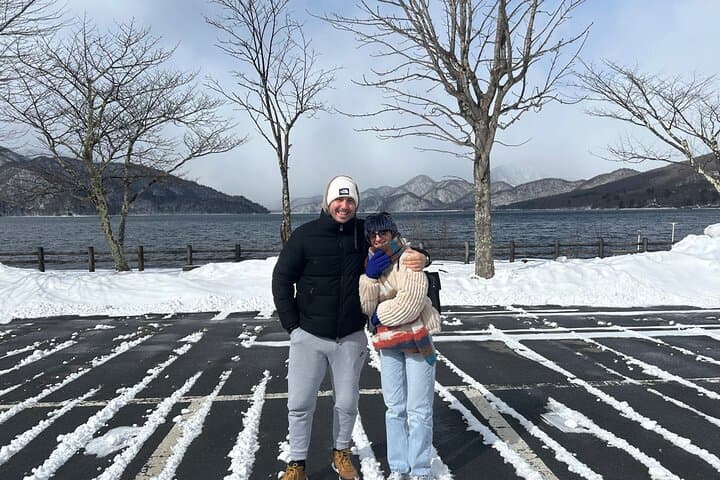
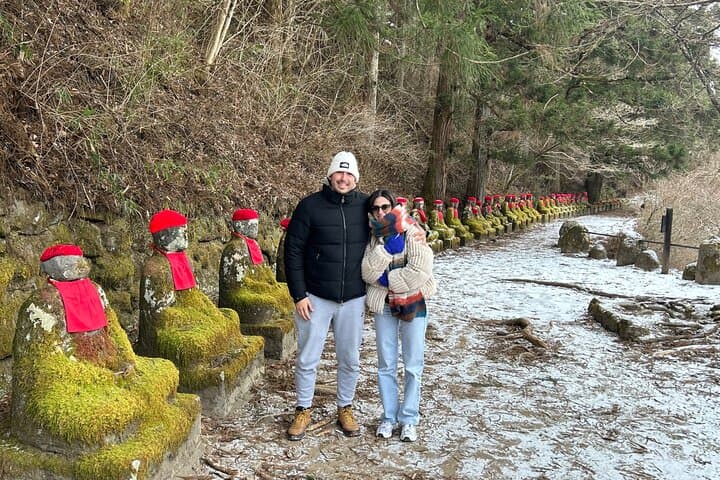
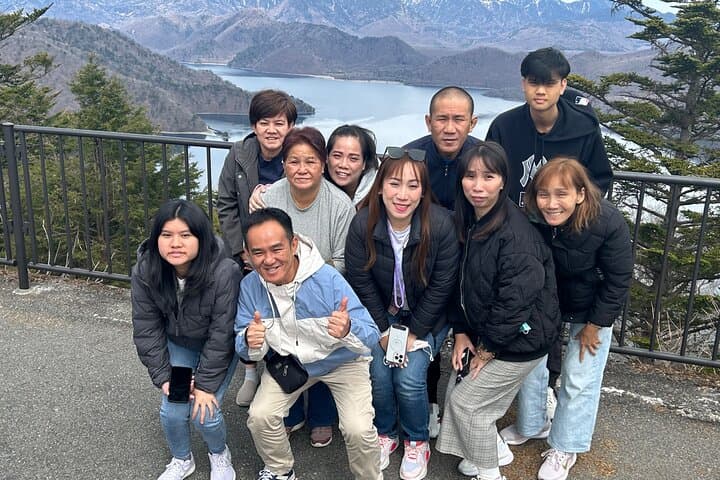
Expect a walkable but full day: shrine compounds with steps and polished platforms, short riverside trails past rows of Jizō, a lift to the Kegon basin, and shoreline viewpoints at Chuzenji. The guide-driver model makes logistics simple — the same licensed driver doubles as interpreter and navigator, and the vehicle accommodates large groups (note booking rules for 16–20 guests).
Practical pointers: bring cash for local entrance fees (Toshogu ~¥1,600; Rinnoji ~¥300), dress in layers for sudden cool drafts near the falls, wear grippy shoes for wet viewpoints, and plan for restroom breaks and on-site cafes rather than long restaurant stops. Book early, start at first light to avoid crowds, and leave room on your itinerary for the lake’s reflective moments — the water often shows the mountains like a second map.
easy.
11–12 hours.
Suitable for most travelers; requires standing, short walks, and climbing stairs at shrine complexes.
No — most shrine and temple entrances like Toshogu (adult ~¥1,600) and Rinnoji (adult ~¥300) are paid on-site unless the operator specifies otherwise.
The advertised middle bus accommodates up to 15 guests plus up to 20 large suitcases; if there’s no luggage, it can carry up to 20 guests — for 16–20 people, book as 15 and notify the operator.
The provider lists wheelchair and stroller accessibility, but note that historic sites have steps and uneven surfaces; contact the operator in advance to plan routes and assistance.
For a full refund cancel at least 24 hours before departure; cancellation within 24 hours is not refundable. The operator may cancel in bad weather.
Toshogu shrine complex was rebuilt in the early Edo period to honor Tokugawa Ieyasu; the area’s temples and shrines are part of a UNESCO World Heritage grouping.
High visitor numbers can stress fragile wooden structures and mountain trails — stick to paths, pack out trash and avoid touching delicate carvings.
GGTS GUIDE TOUR DISTRICT operates guided outdoor trips and adventures with an emphasis on safety, stewardship, and memorable experiences.
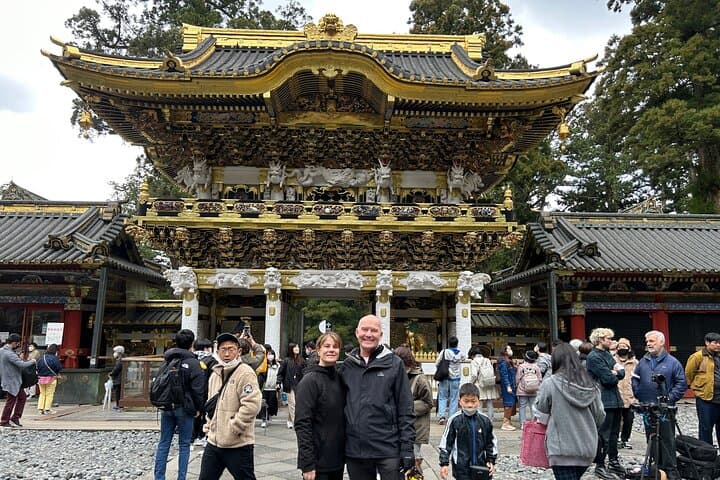
A cool morning settles over the cedar avenue as the bus pulls up near the carved gates of Toshogu; sunlight slices through the trees and the river below seems to dare you to follow its course. The approach is sudden and quiet — lacquered wood, gilded carvings and the hush of ancient rituals framing the day.
A cool morning settles over the cedar avenue as the bus pulls up near the carved gates of Toshogu; sunlight slices through the trees and the river below seems to dare you to follow its course. The approach is sudden and quiet — lacquered wood, gilded carvings and the hush of ancient rituals framing the day.
Nikkō’s cultural heartland grew under Tokugawa Ieyasu’s patronage in the 17th century; Toshogu’s ornate buildings and the simpler, older Futarasan and Rinnoji temples tell a layered story of Shinto and Buddhist practice anchored to the sacred peaks above. Geologically, the area is close to volcanic Mount Nantai, and Lake Chuzenji and Kegon Falls are direct results of past eruptions — Kegon drops roughly 97 meters, a vertical curtain that reshapes the valley each season.
Expect a walkable but full day: shrine compounds with steps and polished platforms, short riverside trails past rows of Jizō, a lift to the Kegon basin, and shoreline viewpoints at Chuzenji. The guide-driver model makes logistics simple — the same licensed driver doubles as interpreter and navigator, and the vehicle accommodates large groups (note booking rules for 16–20 guests).
Practical pointers: bring cash for local entrance fees (Toshogu ~¥1,600; Rinnoji ~¥300), dress in layers for sudden cool drafts near the falls, wear grippy shoes for wet viewpoints, and plan for restroom breaks and on-site cafes rather than long restaurant stops. Book early, start at first light to avoid crowds, and leave room on your itinerary for the lake’s reflective moments — the water often shows the mountains like a second map.