THE ADVENTURE COLLECTIVE® · Independent discovery and booking for outdoor travel

Spend a full day moving from Niushoushan’s forested terraces to the historic rooms of the Presidential Palace, then relax with a lakeside stroll and market-woven culture at Fuzimiao. This private tour combines light hiking with concentrated history and local food.
Spend a full day moving from Niushoushan’s forested terraces to the historic rooms of the Presidential Palace, then relax with a lakeside stroll and market-woven culture at Fuzimiao. This private tour combines light hiking with concentrated history and local food.
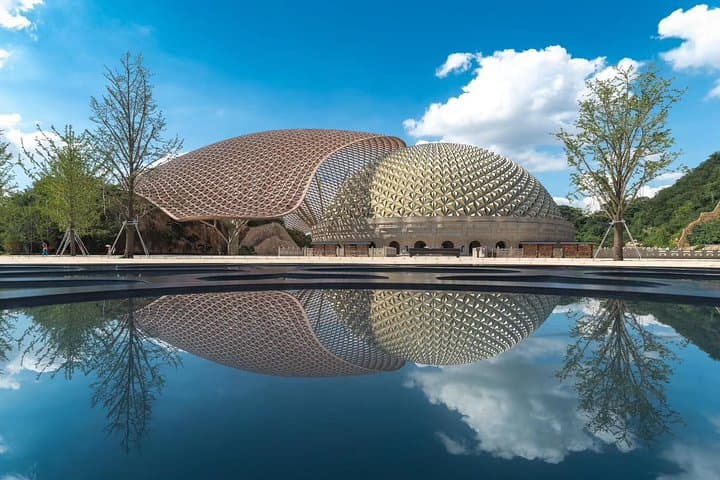
Morning light hits the glass-and-brick skyline while a private vehicle winds toward Niushoushan; the air smells faintly of pine and incense. Participants disembark to the human-scale silence of forest trails where modern Buddhist architecture rises from cut slopes, then move through the layered history of Nanjing — from Republican-era government halls to the willow-lined promenades of Xuanwu Lake.
Verified experiences and guided adventures in the surrounding area.
Operated by MoreFunAsia · Nanjing, Jiangsu
Morning light hits the glass-and-brick skyline while a private vehicle winds toward Niushoushan; the air smells faintly of pine and incense. Participants disembark to the human-scale silence of forest trails where modern Buddhist architecture rises from cut slopes, then move through the layered history of Nanjing — from Republican-era government halls to the willow-lined promenades of Xuanwu Lake.
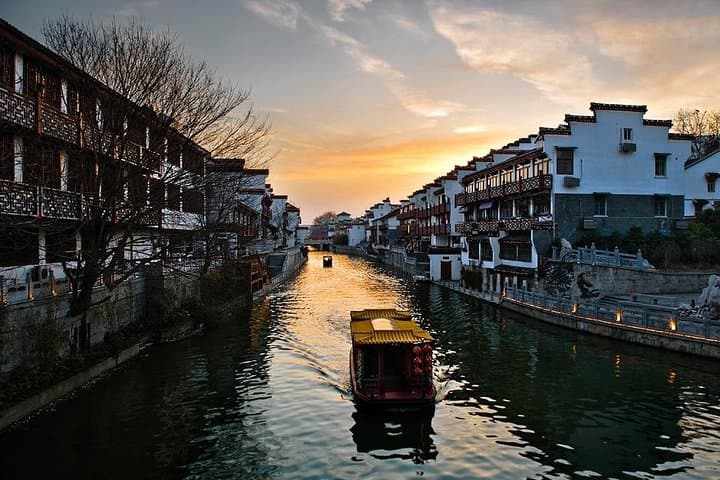
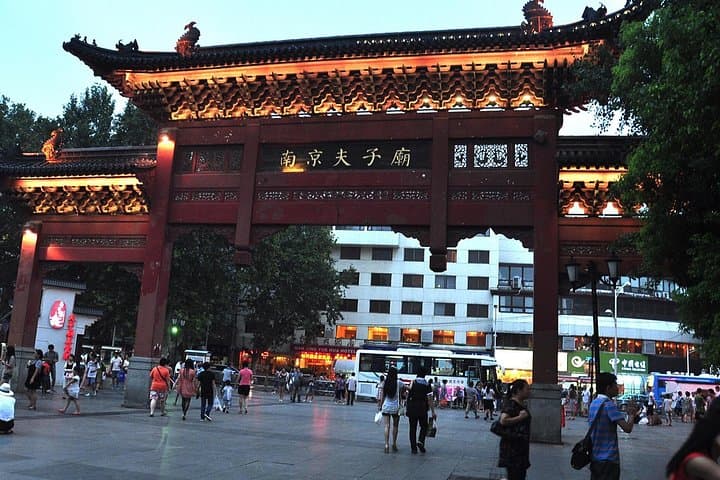
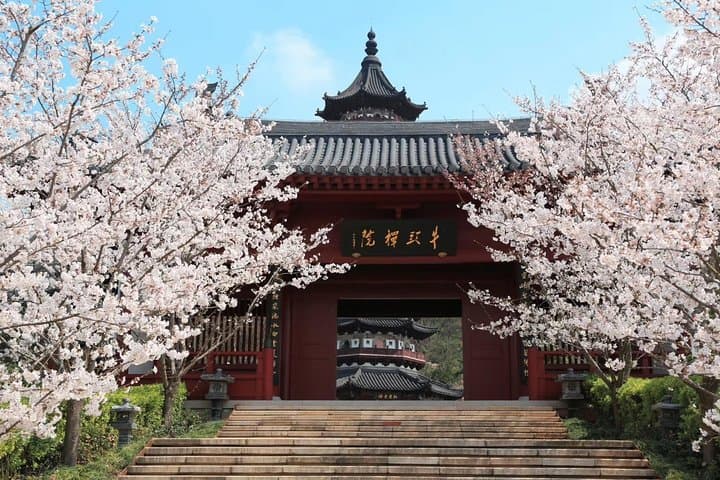
Niushoushan (Ox-Head Mountain) is a contemporary cultural complex built to complement older ritual sites, carving terraces into low ridges and offering panoramic views across Jiangsu Plain. The Presidential Palace preserves rooms and gardens that frame China’s early 20th-century politics; its mix of Western and Chinese details reads like a civic diary. Xuanwu Lake sits at the foot of Purple Mountain and pushes a steady breeze across stone causeways and small islets. Jiming Temple, adjacent to the city wall, dates back centuries and becomes a focal point each spring when cherry blossoms draw local crowds. The Confucian Temple Area (Fuzimiao) on the Qinhuai River traces a continuous cultural axis from Song‑dynasty ritual to present-day markets and riverside food stalls.
Practical guidance: plan for an 8–9 hour private tour with door-to-door pickup, mostly paved walking, short stair sections at temples and viewpoints, and moderate elevation at Niushoushan (short climbs under 200 m). Wear comfortable walking shoes, carry water and respect temple rules (no loud photography in inner halls). Peak crowding occurs March–April; mornings are quieter. The tour includes entrance fees and a local lunch at Nanjing Impressions, making it a compact, culturally rich way to sample Nanjing’s outdoor and historical highlights.
easy.
8–9 hours.
Suitable for people who can walk 3–5 miles with short climbs and stair sections; mostly low-impact walking.
Yes — the tour provides private pickup from Nanjing South Railway Station or a downtown hotel; specify your pickup point when booking.
Entrance fees for the listed attractions are included in the tour price as noted in the itinerary.
The tour is stroller and wheelchair accessible in many areas, but some temple steps and Niushoushan terraces include stairs; contact the operator about mobility needs.
A professional tour leader provides guidance; confirm language options at booking since availability may vary.
Nanjing served as a capital during multiple Chinese dynasties and was the seat of the Republican government (1912–1949); the Presidential Palace preserves many original 1920s–30s interiors.
High visitor numbers concentrate on riverbanks and temple lawns; stick to marked paths, avoid feeding wildlife, and support sites by following posted rules to reduce erosion and wear.
MoreFunAsia operates guided outdoor trips and adventures with an emphasis on safety, stewardship, and memorable experiences.
Morning light hits the glass-and-brick skyline while a private vehicle winds toward Niushoushan; the air smells faintly of pine and incense. Participants disembark to the human-scale silence of forest trails where modern Buddhist architecture rises from cut slopes, then move through the layered history of Nanjing — from Republican-era government halls to the willow-lined promenades of Xuanwu Lake.
Morning light hits the glass-and-brick skyline while a private vehicle winds toward Niushoushan; the air smells faintly of pine and incense. Participants disembark to the human-scale silence of forest trails where modern Buddhist architecture rises from cut slopes, then move through the layered history of Nanjing — from Republican-era government halls to the willow-lined promenades of Xuanwu Lake.
Niushoushan (Ox-Head Mountain) is a contemporary cultural complex built to complement older ritual sites, carving terraces into low ridges and offering panoramic views across Jiangsu Plain. The Presidential Palace preserves rooms and gardens that frame China’s early 20th-century politics; its mix of Western and Chinese details reads like a civic diary. Xuanwu Lake sits at the foot of Purple Mountain and pushes a steady breeze across stone causeways and small islets. Jiming Temple, adjacent to the city wall, dates back centuries and becomes a focal point each spring when cherry blossoms draw local crowds. The Confucian Temple Area (Fuzimiao) on the Qinhuai River traces a continuous cultural axis from Song‑dynasty ritual to present-day markets and riverside food stalls.
Practical guidance: plan for an 8–9 hour private tour with door-to-door pickup, mostly paved walking, short stair sections at temples and viewpoints, and moderate elevation at Niushoushan (short climbs under 200 m). Wear comfortable walking shoes, carry water and respect temple rules (no loud photography in inner halls). Peak crowding occurs March–April; mornings are quieter. The tour includes entrance fees and a local lunch at Nanjing Impressions, making it a compact, culturally rich way to sample Nanjing’s outdoor and historical highlights.