THE ADVENTURE COLLECTIVE® · Independent discovery and booking for outdoor travel

Spend a full day moving between Muscat’s grand mosque, coastal souq, and refined cultural venues on a private air-conditioned tour. This guide explains what you’ll see, practical needs like dress and hydration, and how to make the most of nine hours in Oman’s capital.
Spend a full day moving between Muscat’s grand mosque, coastal souq, and refined cultural venues on a private air-conditioned tour. This guide explains what you’ll see, practical needs like dress and hydration, and how to make the most of nine hours in Oman’s capital.
Morning sunlight slices across white marble as the Sultan Qaboos Grand Mosque rises from manicured gardens—its minaret and mosaic work drawing the eye before the day’s walking begins.
Verified experiences and guided adventures in the surrounding area.
Operated by Bin Majid Tourism · Muscat, Muscat Governorate
Morning sunlight slices across white marble as the Sultan Qaboos Grand Mosque rises from manicured gardens—its minaret and mosaic work drawing the eye before the day’s walking begins.
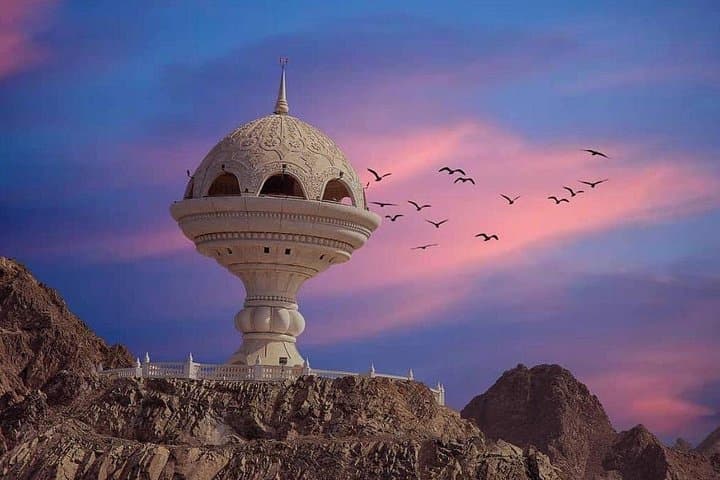
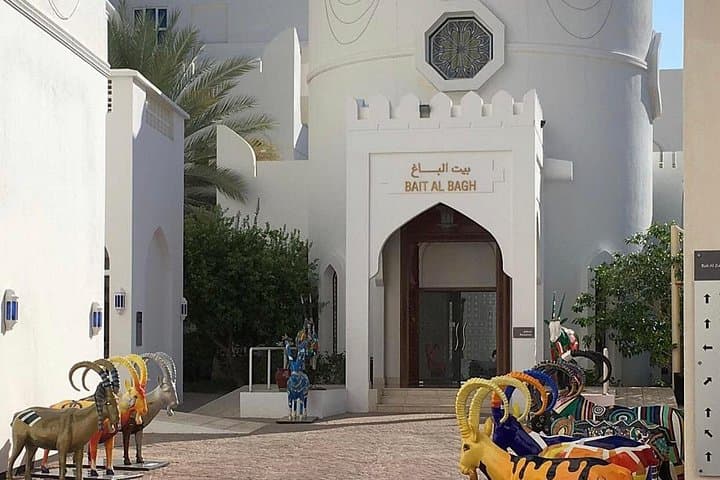
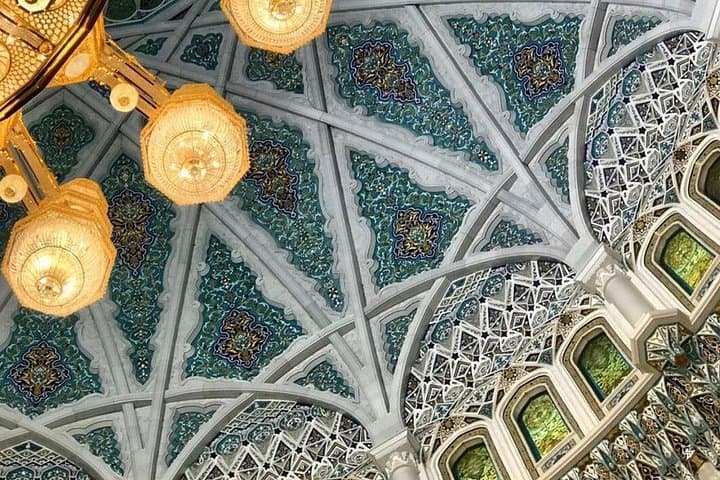
This full-day private city tour threads through Muscat’s modern and historic chapters: the mosque’s contemporary Islamic architecture and prayer hall, the market rhythms of Mutrah Corniche and Souq where frankincense and silver meet fishermen’s calls, the refined foyer of the Royal Opera House, and the compact galleries of Bait Al Zubair that explain Omani tribal life. Photo stops at Al Alam Palace and the twin Portuguese forts, Al Mirani and Al Jalali, highlight Muscat’s strategic role as a guarded trading port since the 16th century.
Geology and geography are palpable—rocky headlands frame the harbor, while low limestone ridges give way to shallow coastal plains. Culture here blends seafaring heritage, Islamic traditions, and recent oil-era development; local guides translate stories tied to dhows, dates, and souq trades.
Practicalities: expect a 9-hour day, private air-conditioned 4x4 transfer with hotel pick-up and drop-off, periods of standing and walking on paved and uneven surfaces, and an English-speaking Omani guide. Modest dress is required at religious sites (shoulders and knees covered; women may be asked for a headscarf). Carry water and sun protection, plan museum visits in the morning or late afternoon to avoid mid-day heat, and allow time for bargaining at Mutrah Souq. The route suits travelers looking for a grounded introduction to Muscat’s architecture, markets, and coastal history.
easy.
9 hours.
Suitable for most fitness levels; involves several short walks and standing periods.
The private tour runs about 9 hours and includes air-conditioned 4x4 transfer, hotel pick-up/drop-off, bottled water, and an English-speaking Omani guide.
Most stops are photo stops or exterior visits; confirm with the operator whether museum or mosque guided-entry fees are covered before booking.
Yes—Sultan Qaboos Grand Mosque welcomes non-Muslim visitors during specific hours; modest dress is required and some areas may be restricted.
Transport is wheelchair accessible, but some historic sites and forts have uneven terrain and limited access—check specific sites ahead of time.
Muscat grew as a strategic port; Portuguese forts date to the 16th century and mark its role in Indian Ocean trade routes.
Visitors are encouraged to respect the souq and coastal environments—avoid taking shells or coral, limit single-use plastics, and support local guides and craft producers.
Bin Majid Tourism operates guided outdoor trips and adventures with an emphasis on safety, stewardship, and memorable experiences.
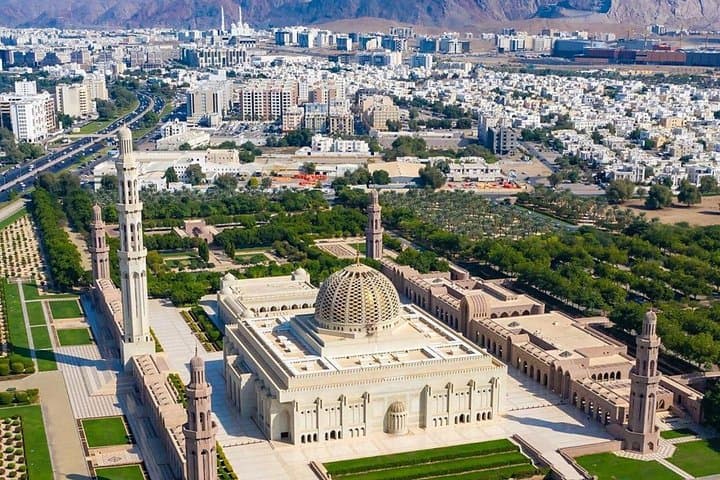
Morning sunlight slices across white marble as the Sultan Qaboos Grand Mosque rises from manicured gardens—its minaret and mosaic work drawing the eye before the day’s walking begins.
Morning sunlight slices across white marble as the Sultan Qaboos Grand Mosque rises from manicured gardens—its minaret and mosaic work drawing the eye before the day’s walking begins.
This full-day private city tour threads through Muscat’s modern and historic chapters: the mosque’s contemporary Islamic architecture and prayer hall, the market rhythms of Mutrah Corniche and Souq where frankincense and silver meet fishermen’s calls, the refined foyer of the Royal Opera House, and the compact galleries of Bait Al Zubair that explain Omani tribal life. Photo stops at Al Alam Palace and the twin Portuguese forts, Al Mirani and Al Jalali, highlight Muscat’s strategic role as a guarded trading port since the 16th century.
Geology and geography are palpable—rocky headlands frame the harbor, while low limestone ridges give way to shallow coastal plains. Culture here blends seafaring heritage, Islamic traditions, and recent oil-era development; local guides translate stories tied to dhows, dates, and souq trades.
Practicalities: expect a 9-hour day, private air-conditioned 4x4 transfer with hotel pick-up and drop-off, periods of standing and walking on paved and uneven surfaces, and an English-speaking Omani guide. Modest dress is required at religious sites (shoulders and knees covered; women may be asked for a headscarf). Carry water and sun protection, plan museum visits in the morning or late afternoon to avoid mid-day heat, and allow time for bargaining at Mutrah Souq. The route suits travelers looking for a grounded introduction to Muscat’s architecture, markets, and coastal history.