THE ADVENTURE COLLECTIVE® · Independent discovery and booking for outdoor travel

Take a full-day excursion from Seoul to Seoraksan National Park with a cable car ride to Gwongeumseong Fortress and a visit to ancient Sinheungsa Temple. Expect striking granite ridges, forested trails, and clear viewpoint walks suited to most fitness levels.
Take a full-day excursion from Seoul to Seoraksan National Park with a cable car ride to Gwongeumseong Fortress and a visit to ancient Sinheungsa Temple. Expect striking granite ridges, forested trails, and clear viewpoint walks suited to most fitness levels.
On a clear morning the coach eases out of Seoul and the ridgelines of Seoraksan sharpen against the sky. Clouds braid through granite spires while the cable car hums upward, depositing visitors at Gwongeumseong Fortress 860 meters above sea level. From the top, wind pushes at the terraces and pines lean toward the view, the East Sea catching slivers of sunlight.
Verified experiences and guided adventures in the surrounding area.
Operated by SEOUL CITY TOUR CO. LTD. · Sokcho, Gangwon-do
On a clear morning the coach eases out of Seoul and the ridgelines of Seoraksan sharpen against the sky. Clouds braid through granite spires while the cable car hums upward, depositing visitors at Gwongeumseong Fortress 860 meters above sea level. From the top, wind pushes at the terraces and pines lean toward the view, the East Sea catching slivers of sunlight.
Seoraksan is the southern arm of the Taebaek range, sculpted from hard granite and ancient glacial action; its jagged ridges and talus slopes record millions of years of uplift and erosion. Human history threads the slopes too—Buddhist monks established Sinheungsa in the 7th century; the temple’s bronze bell and stone pagodas reflect centuries of mountain devotion and local craft. Mixed oak and Korean pine forests cloak the lower ridges and clear streams dare hikers to follow them down into valley floors.
On a typical full-day itinerary travelers spend roughly 10 hours including coach transfer from Seoul, a cable-car ascent to Gwongeumseong, a temple visit to Sinheungsa, and brief viewpoint walks. Terrain at viewpoints is uneven stone and compacted dirt; beyond the cable car the trails get steeper. Mornings generally offer the clearest views; weather can close the ropeway in strong wind or heavy snow.
Practical notes: bring layered clothing and a waterproof shell, at least 1.5 L water, sturdy walking shoes, and snacks. Allow extra time for photo stops and temple courtyards, and tell your guide if you plan to hike further—route conditions change with the seasons. Local guides provide geology and folklore context, making the route both educational and immediate.
easy.
10 hours.
Suitable for most fitness levels; you should be able to walk short stretches on uneven surfaces and climb steps.
The full-day tour runs about 10 hours total including coach transfers, site visits, and the cable-car ride.
No—high winds, heavy rain, or snow can close the ropeway; operators will reroute or cancel if conditions are unsafe.
Admission fees for Sinheungsa and the cable car are included in this tour’s listed inclusions.
Yes; the itinerary is described as suitable for all fitness levels, but children must sit on laps and participants should be able to manage short walks and steps.
Sinheungsa temple was established in the 7th century and grew as a regional Buddhist center; many structures and artifacts reflect long-standing mountain-religion traditions.
Seoraksan is a protected national park; stick to marked trails, avoid disturbing flora and fauna, and carry out all waste to reduce visitor impact.
SEOUL CITY TOUR CO. LTD. operates guided outdoor trips and adventures with an emphasis on safety, stewardship, and memorable experiences.
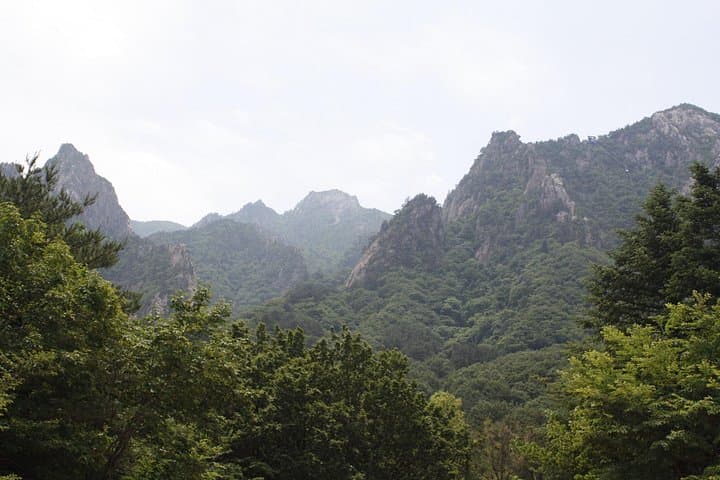
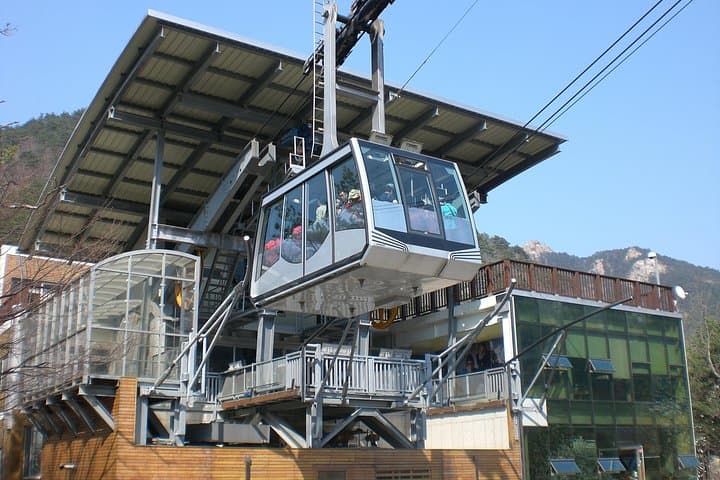
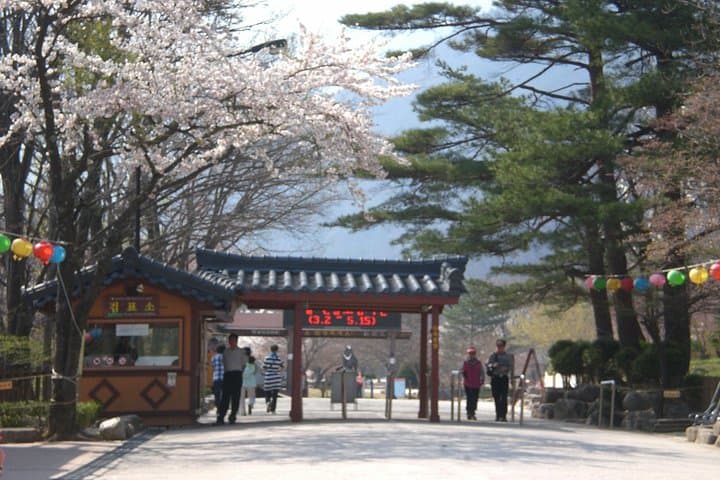
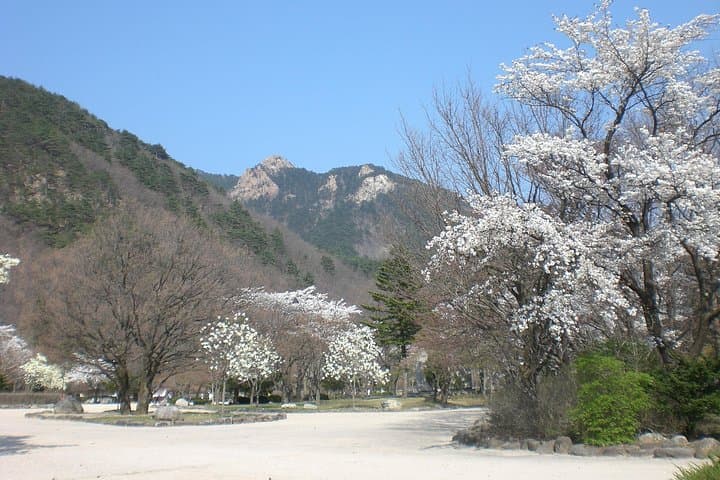
On a clear morning the coach eases out of Seoul and the ridgelines of Seoraksan sharpen against the sky. Clouds braid through granite spires while the cable car hums upward, depositing visitors at Gwongeumseong Fortress 860 meters above sea level. From the top, wind pushes at the terraces and pines lean toward the view, the East Sea catching slivers of sunlight.
On a clear morning the coach eases out of Seoul and the ridgelines of Seoraksan sharpen against the sky. Clouds braid through granite spires while the cable car hums upward, depositing visitors at Gwongeumseong Fortress 860 meters above sea level. From the top, wind pushes at the terraces and pines lean toward the view, the East Sea catching slivers of sunlight.
Seoraksan is the southern arm of the Taebaek range, sculpted from hard granite and ancient glacial action; its jagged ridges and talus slopes record millions of years of uplift and erosion. Human history threads the slopes too—Buddhist monks established Sinheungsa in the 7th century; the temple’s bronze bell and stone pagodas reflect centuries of mountain devotion and local craft. Mixed oak and Korean pine forests cloak the lower ridges and clear streams dare hikers to follow them down into valley floors.
On a typical full-day itinerary travelers spend roughly 10 hours including coach transfer from Seoul, a cable-car ascent to Gwongeumseong, a temple visit to Sinheungsa, and brief viewpoint walks. Terrain at viewpoints is uneven stone and compacted dirt; beyond the cable car the trails get steeper. Mornings generally offer the clearest views; weather can close the ropeway in strong wind or heavy snow.
Practical notes: bring layered clothing and a waterproof shell, at least 1.5 L water, sturdy walking shoes, and snacks. Allow extra time for photo stops and temple courtyards, and tell your guide if you plan to hike further—route conditions change with the seasons. Local guides provide geology and folklore context, making the route both educational and immediate.