THE ADVENTURE COLLECTIVE® · Independent discovery and booking for outdoor travel

A full-day ascent on Mt. Bisoke threads montane forest to a crater lake in the Virunga range, with steep climbs, quick-changing weather, and rich natural history. This practical guide explains what to expect, how to prepare, and why local guides matter on the trail.
A full-day ascent on Mt. Bisoke threads montane forest to a crater lake in the Virunga range, with steep climbs, quick-changing weather, and rich natural history. This practical guide explains what to expect, how to prepare, and why local guides matter on the trail.
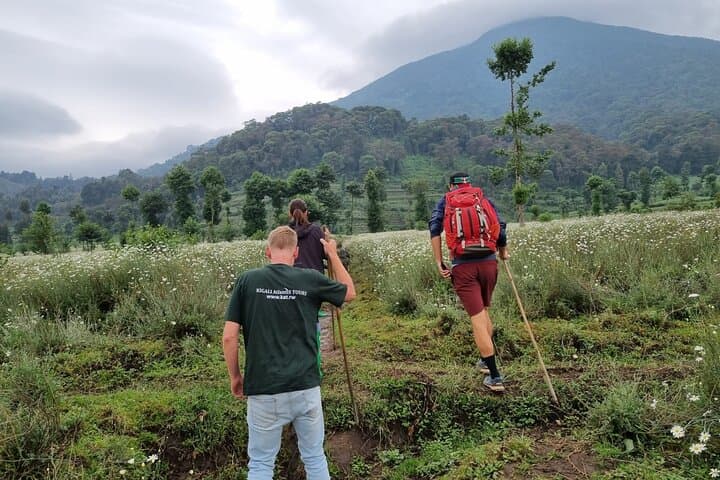
Dawn breaks over the Virunga ridgeline and the trail exhales mist; you step onto damp soil that remembers long-ago lava flows and recent rains. The path climbs steadily through montane forest, ferns brushing your calves, until the crater lake of Mt. Bisoke appears like a glassy eye—an abrupt, cool counterpoint to the hard work of the ascent.
Verified experiences and guided adventures in the surrounding area.
Operated by Kigali Atlantis Tours Ltd · Musanze, Northern Province
Dawn breaks over the Virunga ridgeline and the trail exhales mist; you step onto damp soil that remembers long-ago lava flows and recent rains. The path climbs steadily through montane forest, ferns brushing your calves, until the crater lake of Mt. Bisoke appears like a glassy eye—an abrupt, cool counterpoint to the hard work of the ascent.
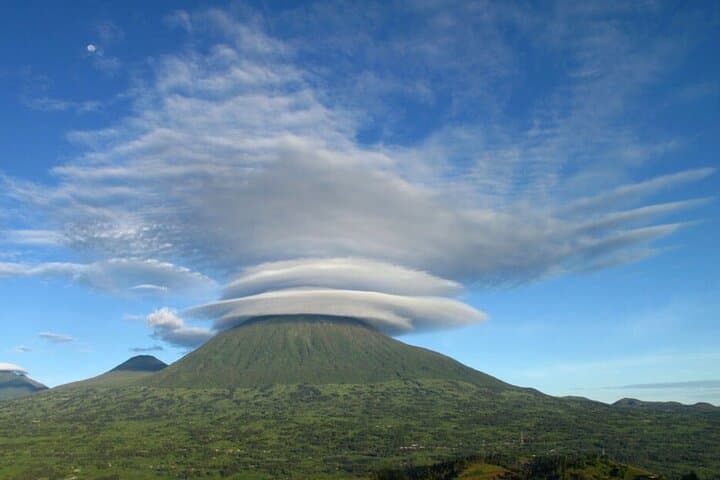
This mountain sits in the Virunga chain, part of the Albertine Rift, where tectonic uplift and volcanic eruptions shaped steep cones and crater lakes. Human history here is layered: Batwa and other communities have long moved through these highlands, and modern conservation efforts created Volcanoes National Park to protect gorillas and highland biodiversity.
Expect a trail that alternates muddy switchbacks, root-strewn steps, and occasional boardwalks. Weather can flip quickly; winds push clouds across the crater, and the lake sometimes holds a fine veil of mist that seems to breathe. Local guides bring practical know-how—route choices, cultural context, and an eye for birds and rare plants.
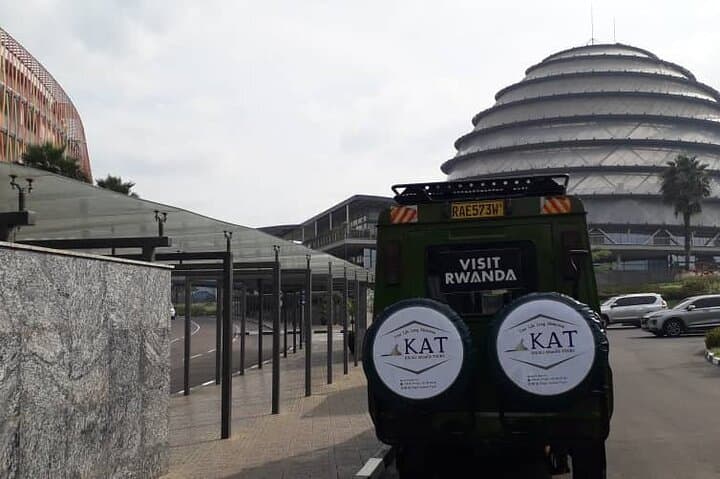
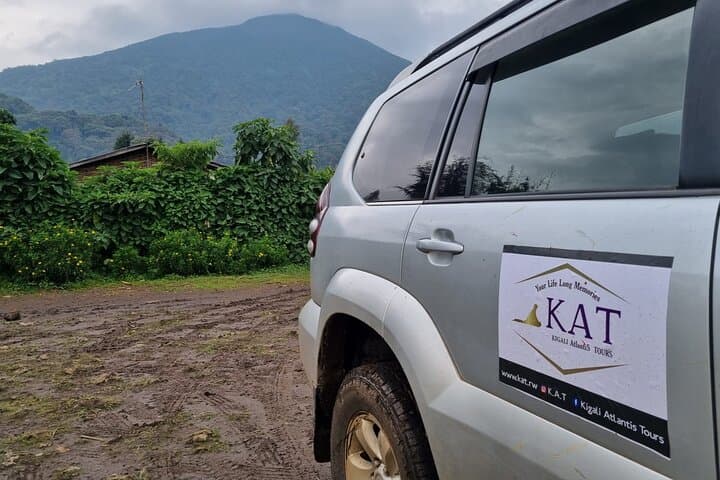
Practically: the operator provides private transport, bottled water, and a packed lunch; the full-day outing can run 12–15 hours door-to-door depending on chosen volcano and transfers. Moderate-to-strong fitness helps—stretches of steep, sustained climbing and uneven footing reward steady pacing and good footwear. Bring rain protection, layers for cold at higher elevations, and enough water for the climb. Leave no trace: these slopes recover slowly, so keep to the path and pack out waste. The crater lake waits—cool, quiet, and utterly present—if you earn the view.
challenging.
12–15 hours (door-to-door).
Good aerobic fitness and comfort with sustained uphill hiking; ability to handle uneven, muddy terrain for several hours.
The ascent from trailheads in Volcanoes National Park typically takes 3–5 hours one way depending on fitness and trail conditions; door-to-door with transfers usually runs 12–15 hours.
No technical gear is required for the standard Mt. Bisoke trail—sturdy footwear and layered clothing are sufficient for the route provided by the operator.
This tour listing notes that activity fee payment assistance and all fees/taxes are handled by the operator; confirm permit details at booking.
Expect birdlife, small primates, and possibly signs of larger mammals; mountain gorilla treks are separate and require distinct permits—this hike focuses on landscape and vegetation.
Mt. Bisoke and the Virunga range formed through rifting and volcanism in the Albertine Rift; the park was established to protect gorillas and highland ecosystems amid regional cultural change.
Trails cross fragile soils and unique habitats—stick to paths, avoid single-use plastics, and support local guide programs that fund conservation and community benefits.
Kigali Atlantis Tours Ltd operates guided outdoor trips and adventures with an emphasis on safety, stewardship, and memorable experiences.
Dawn breaks over the Virunga ridgeline and the trail exhales mist; you step onto damp soil that remembers long-ago lava flows and recent rains. The path climbs steadily through montane forest, ferns brushing your calves, until the crater lake of Mt. Bisoke appears like a glassy eye—an abrupt, cool counterpoint to the hard work of the ascent.
Dawn breaks over the Virunga ridgeline and the trail exhales mist; you step onto damp soil that remembers long-ago lava flows and recent rains. The path climbs steadily through montane forest, ferns brushing your calves, until the crater lake of Mt. Bisoke appears like a glassy eye—an abrupt, cool counterpoint to the hard work of the ascent.
This mountain sits in the Virunga chain, part of the Albertine Rift, where tectonic uplift and volcanic eruptions shaped steep cones and crater lakes. Human history here is layered: Batwa and other communities have long moved through these highlands, and modern conservation efforts created Volcanoes National Park to protect gorillas and highland biodiversity.
Expect a trail that alternates muddy switchbacks, root-strewn steps, and occasional boardwalks. Weather can flip quickly; winds push clouds across the crater, and the lake sometimes holds a fine veil of mist that seems to breathe. Local guides bring practical know-how—route choices, cultural context, and an eye for birds and rare plants.
Practically: the operator provides private transport, bottled water, and a packed lunch; the full-day outing can run 12–15 hours door-to-door depending on chosen volcano and transfers. Moderate-to-strong fitness helps—stretches of steep, sustained climbing and uneven footing reward steady pacing and good footwear. Bring rain protection, layers for cold at higher elevations, and enough water for the climb. Leave no trace: these slopes recover slowly, so keep to the path and pack out waste. The crater lake waits—cool, quiet, and utterly present—if you earn the view.