THE ADVENTURE COLLECTIVE® · Independent discovery and booking for outdoor travel

Spend a full day around Mount Fuji with a Spanish-speaking guide, visiting lakes, shrines, lava caves and the Aokigahara forest. This nine-hour itinerary balances iconic photo stops with short walks and local flavors like Houtou noodles.
Spend a full day around Mount Fuji with a Spanish-speaking guide, visiting lakes, shrines, lava caves and the Aokigahara forest. This nine-hour itinerary balances iconic photo stops with short walks and local flavors like Houtou noodles.
Morning light lifts across the slopes of Mount Fuji and the bus hums toward the first mirror-flat lake. On a crisp day the summit pins itself against a wide sky; clouds slip like boat traffic around the cone. This full-day, Spanish-guided tour moves from Mishima station through the patchwork of rice fields and conifer belts to the lakes, shrines and caves that frame Japan’s most famous peak.
Verified experiences and guided adventures in the surrounding area.
Operated by Excursiones Fujiyama · Fujikawaguchiko, Yamanashi
Morning light lifts across the slopes of Mount Fuji and the bus hums toward the first mirror-flat lake. On a crisp day the summit pins itself against a wide sky; clouds slip like boat traffic around the cone. This full-day, Spanish-guided tour moves from Mishima station through the patchwork of rice fields and conifer belts to the lakes, shrines and caves that frame Japan’s most famous peak.
You’ll stop at Oshino’s spring ponds — clear water that feeds the region and reflects Fuji’s lower flanks — then visit ancient shrine grounds where thousand-year-old cedars mark old pilgrimage routes. The geology is straightforward and dramatic: Mount Fuji is a young stratovolcano whose eruptions created caves and cooled lava fields that now host Aokigahara’s dense lava forest and the wind-formed Fugaku Wind Cave.
Culturally, Fuji is both sacred in Shinto and ubiquitous in ukiyo-e prints; locals still celebrate its pull in festivals and regional food. Expect a Houtou lunch (thick wheat noodles and vegetables) and stops at Kawaguchiko, Saiko and Motosuko for the classic viewpoints — one even matches the reverse of the 1,000-yen bill.
Practicalities matter: the tour departs Mishima Bullet Train Station around 8:20 a.m. and returns near Shin-Fuji about 6:30 p.m., running roughly nine hours with easy walking at sights. Entrances to some attractions may require separate payment. Weather can change fast near the summit — pack layers, footwear for short hikes, and enough battery for photos. Follow guide instructions in Aokigahara and stay on marked trails to protect fragile volcanic soil and vegetation.
easy.
9 hours.
Suitable for travelers in average condition; includes short, flat to uneven walks and standing at viewpoints.
Yes — the tour is led in Spanish by a local guide who will provide historical and cultural context throughout the day.
Meeting point is Mishima Bullet Train Station North Exit at 8:20 a.m.; the tour finishes at Shin-Fuji Station around 6:30 p.m.
No — the payment of entrances to certain sites visited is not included, so bring cash or an IC card for those fees.
Infants can ride in strollers but must sit on laps; the tour is not recommended for travelers with spinal, pregnancy, or serious cardiovascular conditions.
Mount Fuji has been a sacred site and subject of pilgrimage for centuries, and its image has shaped Japanese art and identity since the Edo period.
Trails cross fragile volcanic soil and aquifer-fed springs — stay on paths, pack out trash, and avoid disturbing wildlife to protect the area’s hydrology and forest floor.
Excursiones Fujiyama operates guided outdoor trips and adventures with an emphasis on safety, stewardship, and memorable experiences.
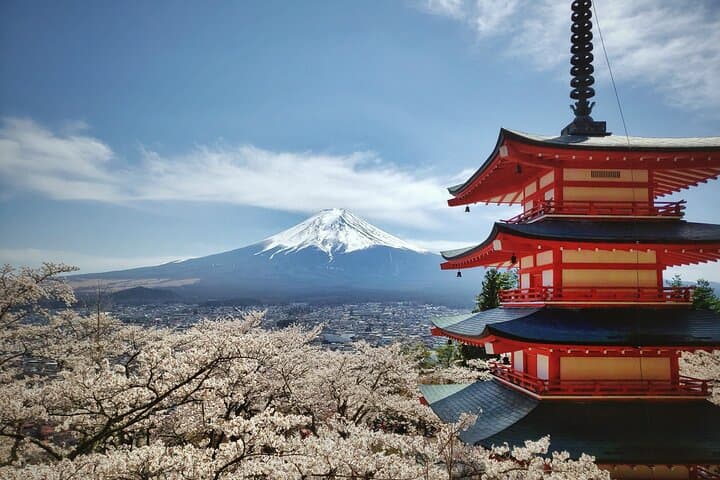
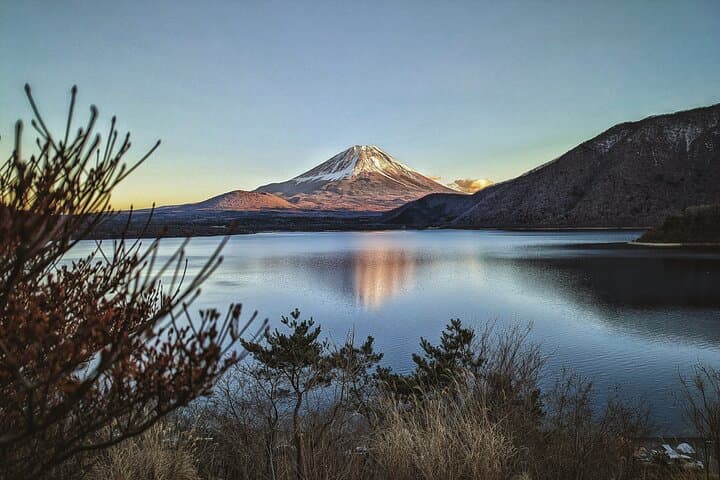
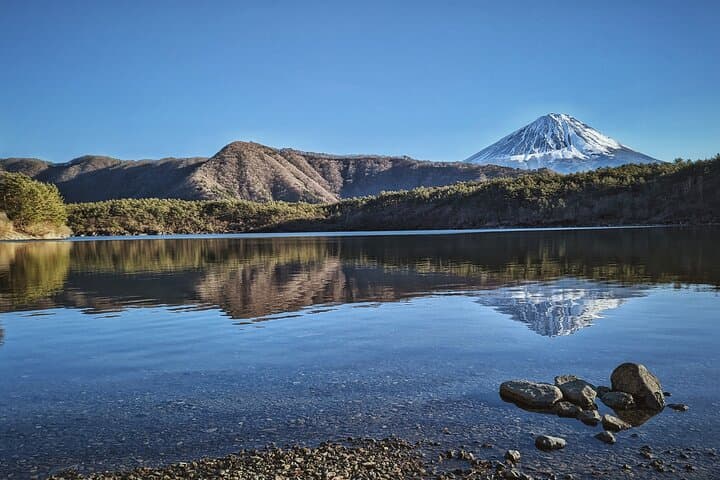
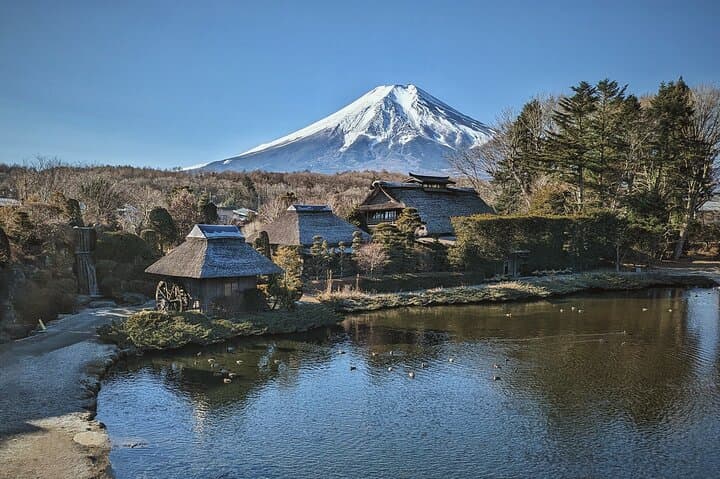
Morning light lifts across the slopes of Mount Fuji and the bus hums toward the first mirror-flat lake. On a crisp day the summit pins itself against a wide sky; clouds slip like boat traffic around the cone. This full-day, Spanish-guided tour moves from Mishima station through the patchwork of rice fields and conifer belts to the lakes, shrines and caves that frame Japan’s most famous peak.
Morning light lifts across the slopes of Mount Fuji and the bus hums toward the first mirror-flat lake. On a crisp day the summit pins itself against a wide sky; clouds slip like boat traffic around the cone. This full-day, Spanish-guided tour moves from Mishima station through the patchwork of rice fields and conifer belts to the lakes, shrines and caves that frame Japan’s most famous peak.
You’ll stop at Oshino’s spring ponds — clear water that feeds the region and reflects Fuji’s lower flanks — then visit ancient shrine grounds where thousand-year-old cedars mark old pilgrimage routes. The geology is straightforward and dramatic: Mount Fuji is a young stratovolcano whose eruptions created caves and cooled lava fields that now host Aokigahara’s dense lava forest and the wind-formed Fugaku Wind Cave.
Culturally, Fuji is both sacred in Shinto and ubiquitous in ukiyo-e prints; locals still celebrate its pull in festivals and regional food. Expect a Houtou lunch (thick wheat noodles and vegetables) and stops at Kawaguchiko, Saiko and Motosuko for the classic viewpoints — one even matches the reverse of the 1,000-yen bill.
Practicalities matter: the tour departs Mishima Bullet Train Station around 8:20 a.m. and returns near Shin-Fuji about 6:30 p.m., running roughly nine hours with easy walking at sights. Entrances to some attractions may require separate payment. Weather can change fast near the summit — pack layers, footwear for short hikes, and enough battery for photos. Follow guide instructions in Aokigahara and stay on marked trails to protect fragile volcanic soil and vegetation.