THE ADVENTURE COLLECTIVE® · Independent discovery and booking for outdoor travel

Spend a full, guided day exploring Mount Fuji’s lakes, lava caves and ancestral villages with Spanish commentary. This 10–11 hour tour packs scenic viewpoints, cultural stops and light walks into a practical itinerary for first-time visitors.
Spend a full, guided day exploring Mount Fuji’s lakes, lava caves and ancestral villages with Spanish commentary. This 10–11 hour tour packs scenic viewpoints, cultural stops and light walks into a practical itinerary for first-time visitors.
The platform hums as morning light slides across Mishima Station; you meet your group and the day unfolds like a mapped climb — not to summit, but to know Mount Fuji in pieces: the lakes that frame it, the villages that remember it, the caves and waterfalls shaped by its eruptions.
Verified experiences and guided adventures in the surrounding area.
Operated by FUJICOOLTOUR · Mishima, Shizuoka Prefecture
The platform hums as morning light slides across Mishima Station; you meet your group and the day unfolds like a mapped climb — not to summit, but to know Mount Fuji in pieces: the lakes that frame it, the villages that remember it, the caves and waterfalls shaped by its eruptions.
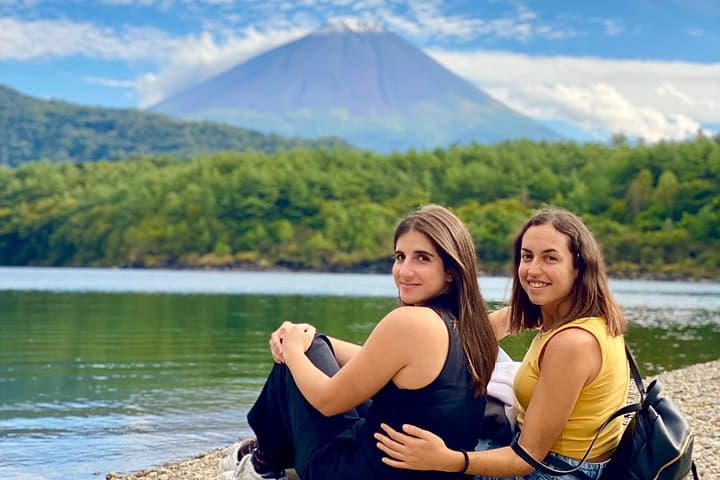
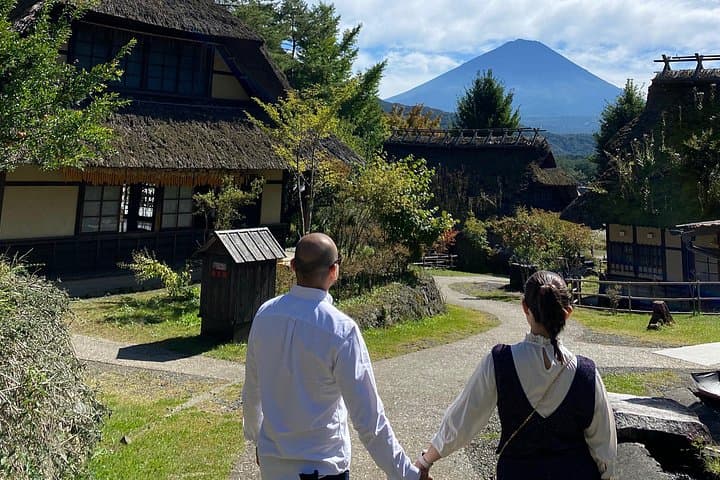
This full-day, Spanish-language tour threads through the Fuji Five Lakes corridor and Shizuoka foothills. Geology shows itself plainly: lava-carved caves and clear spring-fed waterfalls that trace centuries of volcanic activity. Culture arrives in rebuilt thatched houses at Iyashi no Sato and in small Shinto shrines that mark traditional pilgrimage routes toward Fuji. Along Lake Motosu the view that once graced banknotes sits across water that dares you to look away.
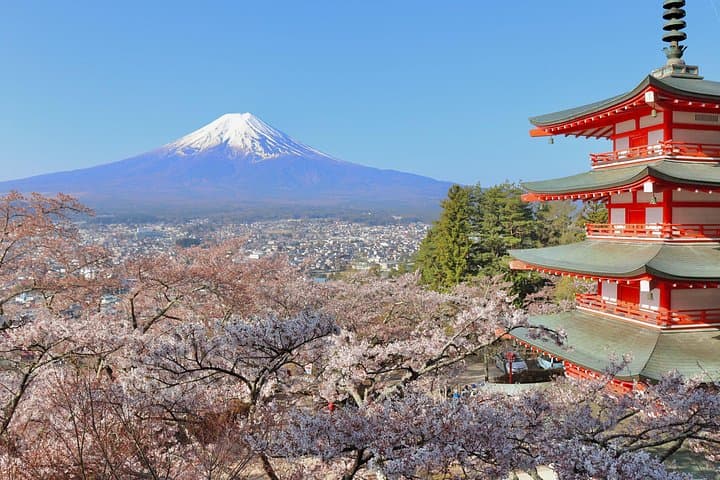
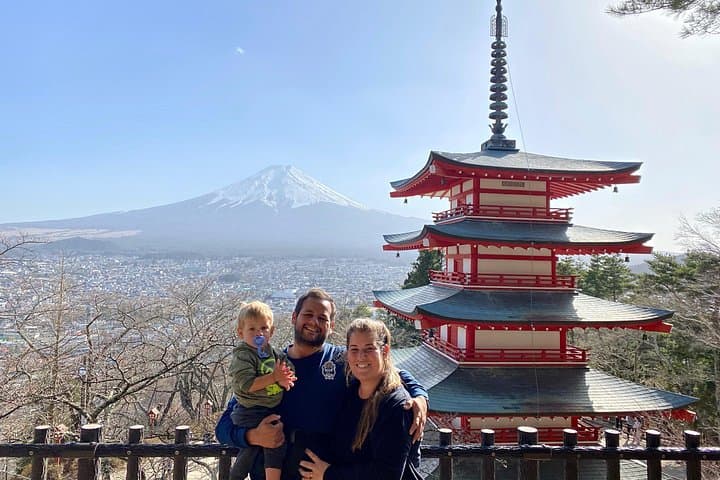
Stops include a crystalline waterfall fed by mountain springs, Lake Motosu, an ancestral village museum, Aokigahara’s fringes, the iconic panoramic viewpoint near Fujiyoshida, a large lakeside town with swans and koi, and a lava cave preserving volcanic history. Guides share local stories — of farmers, artisans, and climbers — and practical context about eruptions and conservation.
Plan for a long day (roughly 10–11 hours): comfortable shoes, layered clothing, and water matter more than peak fitness. Weather determines visibility; an 05:30–08:30 commute to Mishima gives you the best shot at clear Fuji light. Expect light walking at each stop, short hikes into sites, and a mix of indoor exhibits and exposed viewpoints. Bring cash for snacks and modest entry fees, and check the 24-hour cancellation window. The tour balances scenic spectacle and grounded history — an approachable way to read Mount Fuji’s landscape in a single, deliberate day.
easy.
10–11 hours.
Suitable for most fitness levels; expect multiple short walks (5–45 minutes) and standing at viewpoints.
The meeting point is the North Exit of Mishima Station; the tour returns there at the end of the day.
Yes—infants and small children can use strollers and infant seats are available, but expect some short walks and steps at sites.
No—this is a sightseeing day tour that visits lakes, cultural villages and geological sites around Mount Fuji, not a summit attempt.
Visibility depends on weather; guides adjust the itinerary to maximize views and local experiences, and there's a 24-hour cancellation/refund policy for poor weather.
The communities around Fuji reflect centuries of agricultural life and pilgrimage; many buildings in Iyashi no Sato were reconstructed after storm and depopulation to preserve Edo-period architecture.
The region manages visitor impact with designated paths, limits on cave access, and education about fragile lake ecosystems—stay on trails and avoid feeding wildlife.
FUJICOOLTOUR operates guided outdoor trips and adventures with an emphasis on safety, stewardship, and memorable experiences.
The platform hums as morning light slides across Mishima Station; you meet your group and the day unfolds like a mapped climb — not to summit, but to know Mount Fuji in pieces: the lakes that frame it, the villages that remember it, the caves and waterfalls shaped by its eruptions.
The platform hums as morning light slides across Mishima Station; you meet your group and the day unfolds like a mapped climb — not to summit, but to know Mount Fuji in pieces: the lakes that frame it, the villages that remember it, the caves and waterfalls shaped by its eruptions.
This full-day, Spanish-language tour threads through the Fuji Five Lakes corridor and Shizuoka foothills. Geology shows itself plainly: lava-carved caves and clear spring-fed waterfalls that trace centuries of volcanic activity. Culture arrives in rebuilt thatched houses at Iyashi no Sato and in small Shinto shrines that mark traditional pilgrimage routes toward Fuji. Along Lake Motosu the view that once graced banknotes sits across water that dares you to look away.
Stops include a crystalline waterfall fed by mountain springs, Lake Motosu, an ancestral village museum, Aokigahara’s fringes, the iconic panoramic viewpoint near Fujiyoshida, a large lakeside town with swans and koi, and a lava cave preserving volcanic history. Guides share local stories — of farmers, artisans, and climbers — and practical context about eruptions and conservation.
Plan for a long day (roughly 10–11 hours): comfortable shoes, layered clothing, and water matter more than peak fitness. Weather determines visibility; an 05:30–08:30 commute to Mishima gives you the best shot at clear Fuji light. Expect light walking at each stop, short hikes into sites, and a mix of indoor exhibits and exposed viewpoints. Bring cash for snacks and modest entry fees, and check the 24-hour cancellation window. The tour balances scenic spectacle and grounded history — an approachable way to read Mount Fuji’s landscape in a single, deliberate day.