THE ADVENTURE COLLECTIVE® · Independent discovery and booking for outdoor travel

Traverse lava fields and crater rims on a full‑day guided hike across Mount Etna’s south slopes. This flexible excursion from Siracusa blends volcanic geology, panoramic views and practical guidance for day hikers.
Traverse lava fields and crater rims on a full‑day guided hike across Mount Etna’s south slopes. This flexible excursion from Siracusa blends volcanic geology, panoramic views and practical guidance for day hikers.
You step from the air‑conditioned van into a wind that carries grit and the scent of sulphur; black ash crunches underfoot and the slopes of Europe’s highest active volcano loom, raw and uncompromising. The south side trail climbs through scrub and lava fields, opening suddenly onto the rims of ancient craters where the land folds into sharp seams and the sky feels nearer.
Verified experiences and guided adventures in the surrounding area.
Operated by Sicily Unearthed · Zafferana Etnea, Sicily
You step from the air‑conditioned van into a wind that carries grit and the scent of sulphur; black ash crunches underfoot and the slopes of Europe’s highest active volcano loom, raw and uncompromising. The south side trail climbs through scrub and lava fields, opening suddenly onto the rims of ancient craters where the land folds into sharp seams and the sky feels nearer.
Geology here reads like a live textbook: layered lava flows, pumice blankets and scoria cones record centuries of eruptions. Etna’s eruptions shaped local culture — villagers stagger terraces and vineyards on volcanic soils, and Greek and Roman myths still linger in place names and stories. On the route you’ll pass vegetation zones: Mediterranean shrubs giving way to hardy alpine herbs and lichens adapted to mineral soil.
Expect varied terrain: compacted trail, loose cinder, occasional volcanic rock steps and short, steep pitches. Guides tailor the day to your group, choosing lower crater rims (~2,000 m) for easier walks or pushing toward the high craters (~3,000 m) when conditions and permits allow. A picnic near a crater is the usual pause; wind can make it brief.
Practical essentials: start early for stable weather, bring layered clothing for rapid temperature swings, and wear stiff-soled boots for traction in ash and rock. Hydration is vital at altitude; sunscreen and goggles are useful on windy days. The hike is rewarding for motivated day‑hikers ready for long, uneven ground and significant elevation. Follow your guide’s route and permit rules — Etna is magnificent, but mood and access change fast.
challenging.
7–8 hours.
Good aerobic fitness and comfort on uneven terrain; able to hike steadily uphill for several hours.
Routes vary; lower crater rims around 2,000 m are moderate while outings reaching ~3,000 m involve more sustained ascent and loose terrain — expect 7–8 hours overall.
Access to the highest craters depends on volcanic activity, permits and weather; guides will advise and may opt for lower rims for safety.
The tour provides transport in an air‑conditioned vehicle from agreed pickup points in the Siracusa area as listed at booking.
Daytime can be warm at low elevations but cold and windy near craters; check forecasts, layer, and be prepared for rapid changes and occasional ash fall.
Etna has been active for millennia and is central to local folklore and economy; the volcano shaped settlement patterns and fertile soils that support citrus and vineyards.
High‑altitude vegetation recovers slowly after disturbance — stick to marked trails, avoid trampling fragile plants and pack out all waste.
Sicily Unearthed operates guided outdoor trips and adventures with an emphasis on safety, stewardship, and memorable experiences.
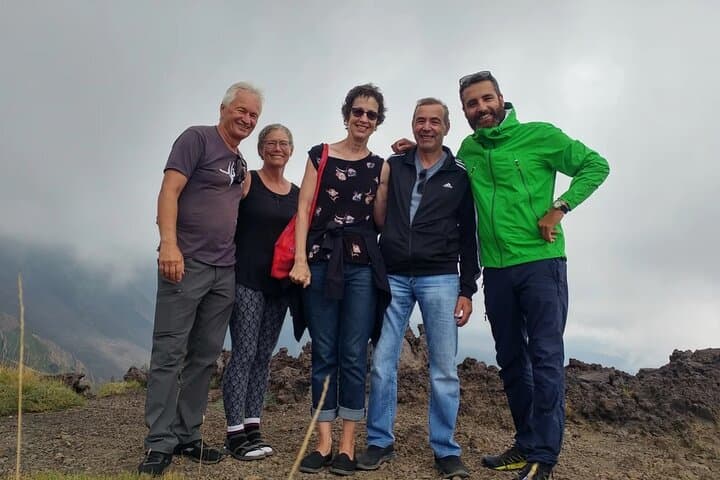
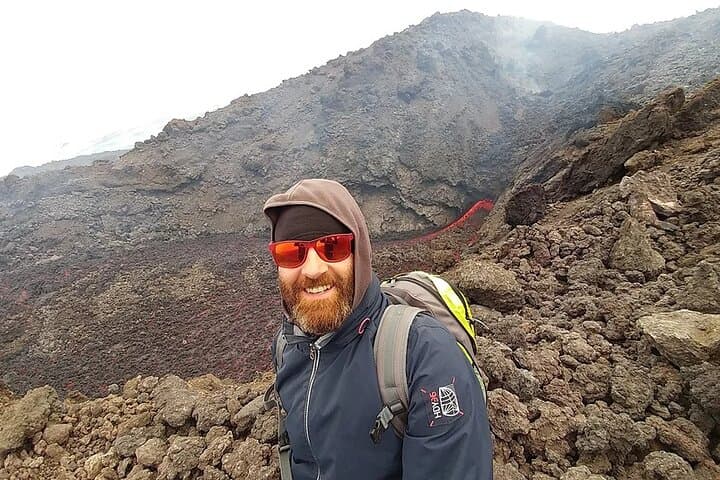
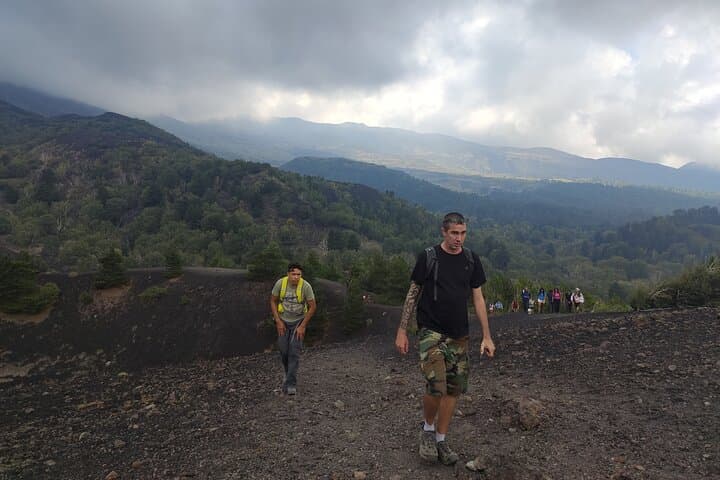
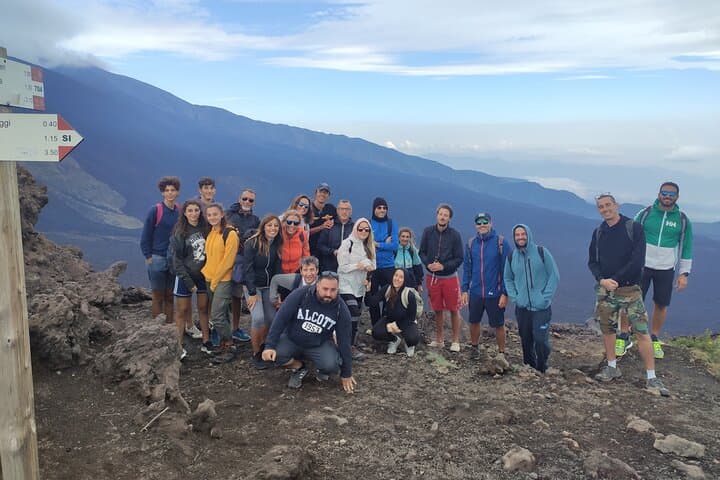
You step from the air‑conditioned van into a wind that carries grit and the scent of sulphur; black ash crunches underfoot and the slopes of Europe’s highest active volcano loom, raw and uncompromising. The south side trail climbs through scrub and lava fields, opening suddenly onto the rims of ancient craters where the land folds into sharp seams and the sky feels nearer.
You step from the air‑conditioned van into a wind that carries grit and the scent of sulphur; black ash crunches underfoot and the slopes of Europe’s highest active volcano loom, raw and uncompromising. The south side trail climbs through scrub and lava fields, opening suddenly onto the rims of ancient craters where the land folds into sharp seams and the sky feels nearer.
Geology here reads like a live textbook: layered lava flows, pumice blankets and scoria cones record centuries of eruptions. Etna’s eruptions shaped local culture — villagers stagger terraces and vineyards on volcanic soils, and Greek and Roman myths still linger in place names and stories. On the route you’ll pass vegetation zones: Mediterranean shrubs giving way to hardy alpine herbs and lichens adapted to mineral soil.
Expect varied terrain: compacted trail, loose cinder, occasional volcanic rock steps and short, steep pitches. Guides tailor the day to your group, choosing lower crater rims (~2,000 m) for easier walks or pushing toward the high craters (~3,000 m) when conditions and permits allow. A picnic near a crater is the usual pause; wind can make it brief.
Practical essentials: start early for stable weather, bring layered clothing for rapid temperature swings, and wear stiff-soled boots for traction in ash and rock. Hydration is vital at altitude; sunscreen and goggles are useful on windy days. The hike is rewarding for motivated day‑hikers ready for long, uneven ground and significant elevation. Follow your guide’s route and permit rules — Etna is magnificent, but mood and access change fast.