THE ADVENTURE COLLECTIVE® · Independent discovery and booking for outdoor travel

Spend a full day on a motorbike through Ninh Binh’s karst plains—climb the Mua Cave viewpoint, glide by boat through Tam Coc’s cave tunnels, and visit Hoa Lu’s ancient temples. Ideal for travelers comfortable on rural roads and keen to experience Vietnam’s limestone countryside up close.
Spend a full day on a motorbike through Ninh Binh’s karst plains—climb the Mua Cave viewpoint, glide by boat through Tam Coc’s cave tunnels, and visit Hoa Lu’s ancient temples. Ideal for travelers comfortable on rural roads and keen to experience Vietnam’s limestone countryside up close.
You kick off the day on two wheels as dawn light pools across flat rice paddies and limestone towers begin to sharpen their edges. The motorbike hums beneath you; whether you ride or sit behind a local driver, the road threads through villages where chickens scatter and water buffalo graze in low fields. The tour stitches together three of Ninh Binh’s most striking experiences: the climb to the Mua Cave viewpoint, a slow boat along Tam Coc’s river-carved caves, and the wooden temples of Hoa Lu, the 10th–11th century Vietnamese capital.
Verified experiences and guided adventures in the surrounding area.
Operated by Aloha Vietnam Travel & Guide · Ninh Binh, Ninh Bình
You kick off the day on two wheels as dawn light pools across flat rice paddies and limestone towers begin to sharpen their edges. The motorbike hums beneath you; whether you ride or sit behind a local driver, the road threads through villages where chickens scatter and water buffalo graze in low fields. The tour stitches together three of Ninh Binh’s most striking experiences: the climb to the Mua Cave viewpoint, a slow boat along Tam Coc’s river-carved caves, and the wooden temples of Hoa Lu, the 10th–11th century Vietnamese capital.
Geology here is upfront—the karst cliffs are weathered limestone that rose from an ancient seabed and were sculpted by time into vertical ribs and cave mouths. Culturally the region is agricultural and devotional: small temples honor historical figures and valley festivals mark planting and harvest. Local boatmen still row with feet, and villages keep rhythms that contrast Hanoi’s bustle an hour away.
Practical guidance: this is a full-day outing (about 11 hours) with short hikes—expect roughly 500 stone steps at the Mua Cave viewpoint. Roads are mostly quiet rural lanes but can be bumpy; helmets are standard and often provided. Bring layered clothing for morning coolness and midday sun, a waterproof layer in the rainy season, and cash for entrance fees, tips, and snacks. Hydrate before the boat ride and carry sunscreen: the open paddies reflect heat and light. With basic motorbike comfort and a readiness to climb a steep viewpoint, this route rewards with expansive views, intimate river passages, and a close-up look at northern Vietnam’s living landscape.
moderate.
Approximately 11 hours (full day).
Suitable for those with basic fitness; be prepared for periods of sitting, short hikes, and a ~500-step climb to a viewpoint
Most tours offer both options—qualified riders can drive their own motorbike, while others may choose to sit behind a local driver; confirm during booking.
The typical Tam Coc boat segment lasts roughly 45–90 minutes depending on the route and water level; boatmen row through multiple short caves and past rice fields.
You must climb a steep series of stone steps (around 500); the ascent is short but strenuous, so take breaks if needed and wear good footwear.
This tour includes a local English-speaking guide and entrance fees are typically included in the package; confirm details at booking.
Hoa Lu served as Vietnam’s capital in the 10th–11th centuries and contains temples honoring early Vietnamese dynasts.
Support local boatmen and vendors by paying fair prices, avoid single-use plastics, and stay on designated paths to protect rice paddies and fragile karst vegetation.
Aloha Vietnam Travel & Guide operates guided outdoor trips and adventures with an emphasis on safety, stewardship, and memorable experiences.

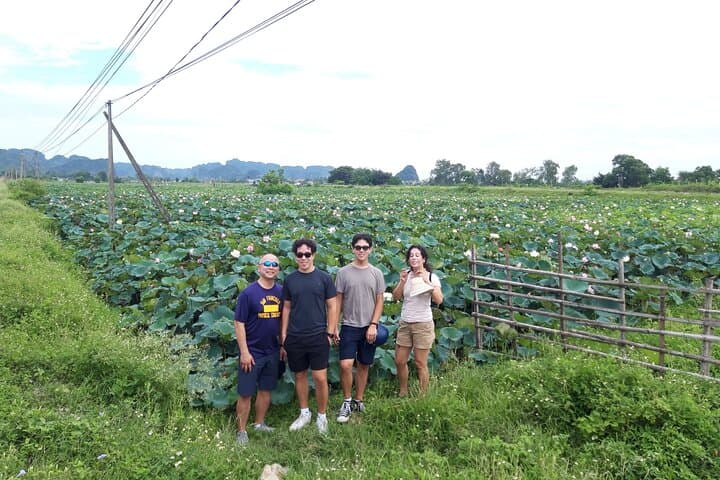
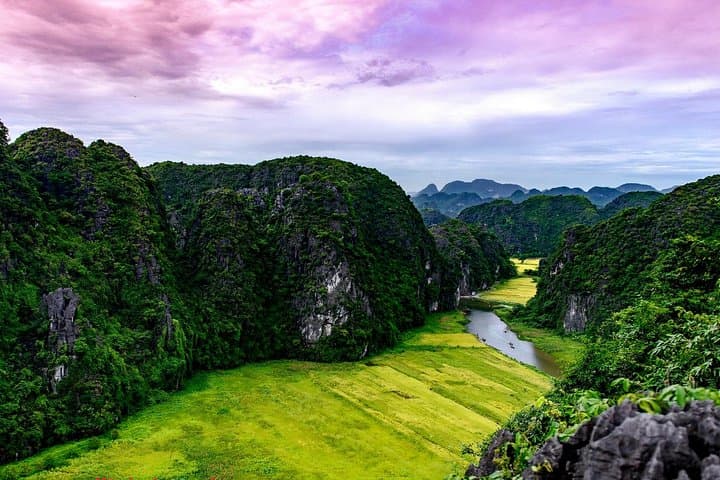

You kick off the day on two wheels as dawn light pools across flat rice paddies and limestone towers begin to sharpen their edges. The motorbike hums beneath you; whether you ride or sit behind a local driver, the road threads through villages where chickens scatter and water buffalo graze in low fields. The tour stitches together three of Ninh Binh’s most striking experiences: the climb to the Mua Cave viewpoint, a slow boat along Tam Coc’s river-carved caves, and the wooden temples of Hoa Lu, the 10th–11th century Vietnamese capital.
You kick off the day on two wheels as dawn light pools across flat rice paddies and limestone towers begin to sharpen their edges. The motorbike hums beneath you; whether you ride or sit behind a local driver, the road threads through villages where chickens scatter and water buffalo graze in low fields. The tour stitches together three of Ninh Binh’s most striking experiences: the climb to the Mua Cave viewpoint, a slow boat along Tam Coc’s river-carved caves, and the wooden temples of Hoa Lu, the 10th–11th century Vietnamese capital.
Geology here is upfront—the karst cliffs are weathered limestone that rose from an ancient seabed and were sculpted by time into vertical ribs and cave mouths. Culturally the region is agricultural and devotional: small temples honor historical figures and valley festivals mark planting and harvest. Local boatmen still row with feet, and villages keep rhythms that contrast Hanoi’s bustle an hour away.
Practical guidance: this is a full-day outing (about 11 hours) with short hikes—expect roughly 500 stone steps at the Mua Cave viewpoint. Roads are mostly quiet rural lanes but can be bumpy; helmets are standard and often provided. Bring layered clothing for morning coolness and midday sun, a waterproof layer in the rainy season, and cash for entrance fees, tips, and snacks. Hydrate before the boat ride and carry sunscreen: the open paddies reflect heat and light. With basic motorbike comfort and a readiness to climb a steep viewpoint, this route rewards with expansive views, intimate river passages, and a close-up look at northern Vietnam’s living landscape.