THE ADVENTURE COLLECTIVE® · Independent discovery and booking for outdoor travel

Travel from Dubrovnik into southern Bosnia on a one-day loop that pairs Mostar’s UNESCO bridge with the pilgrimage town of Medjugorje and the medieval village of Počitelj. Expect cobbled streets, riverside views, and short, steep vantage points.
Travel from Dubrovnik into southern Bosnia on a one-day loop that pairs Mostar’s UNESCO bridge with the pilgrimage town of Medjugorje and the medieval village of Počitelj. Expect cobbled streets, riverside views, and short, steep vantage points.
A gray Adriatic morning peels away as the coach winds inland from Dubrovnik, sea giving way to limestone hills and olive-scrub slopes. By midmorning you’re standing at the edge of Mostar’s Neretva, the river daring you to cross where the Ottoman-era Stari Most arcs skyward — a bridge rebuilt after war, now humming with local life and vendors selling copperware and ćevapi.
Verified experiences and guided adventures in the surrounding area.
Operated by Randon Travel · Mostar, Herzegovina-Neretva Canton
A gray Adriatic morning peels away as the coach winds inland from Dubrovnik, sea giving way to limestone hills and olive-scrub slopes. By midmorning you’re standing at the edge of Mostar’s Neretva, the river daring you to cross where the Ottoman-era Stari Most arcs skyward — a bridge rebuilt after war, now humming with local life and vendors selling copperware and ćevapi.
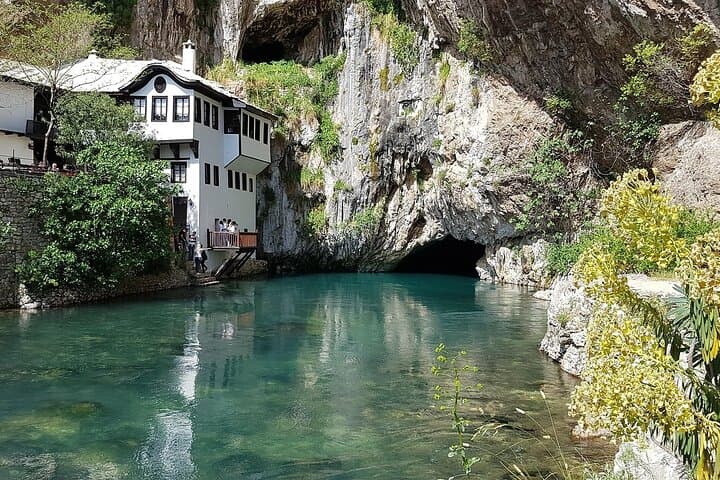
This loop moves through layered history: Ottoman bazaars and mosques sit beside Austro-Hungarian façades; Počitelj’s fortified stone houses recall medieval defensive lines; Medjugorje offers a modern spiritual chapter after the 1981 Marian apparitions transformed a quiet village into a pilgrimage destination. Geology shifts too — karst plateaus funnel clear springs into the Neretva, creating emerald pools and dramatic cliffs that shaped settlement and trade routes.
Expect short walks across cobbles, narrow streets, and viewpoints that require a few dozen steep steps. Time in Mostar typically covers Old Town, Kujundžiluk craft lane, and riverside cafés; Medjugorje time is quieter — processional paths, church squares, and viewpoint hikes if you choose. Pocitelj is a quick stop for photos and Ottoman stonework.
Practical edge: bring comfortable, grippy shoes for cobbles and steps, a refillable water bottle, and a light layer for coastal winds and inland shade. Carry small change for local vendors and dress respectfully in Medjugorje — modest shoulders and knees for church spaces. With a reactive driver-guide and roughly seven–eight hours on the road, the day balances cultural immersion and straightforward logistics for travelers wanting a compact survey of southern Bosnia.
easy.
7–8 hours.
Suitable for travelers who can walk short distances on uneven cobbles and climb a few flights of stairs; no sustained fitness required.
The tour runs approximately 7–8 hours, including transfers and time at Mostar, Medjugorje, and Počitelj.
Yes—hotel pick up and drop off are included; you’ll provide your pickup point when booking.
Infants and small children can be accommodated; expect cobbled streets where strollers may be awkward and a carrier can be useful.
This tour is classified as easy, but Old Towns have uneven cobbles and stairs; travelers with limited mobility should contact the operator to discuss access options.
Mostar’s Old Bridge was originally built in 1566 under Ottoman rule and reconstructed after the 1990s conflict; Medjugorje became a major pilgrimage site following reported Marian apparitions in 1981.
Respect protected riverbanks and historic structures by sticking to marked paths, avoiding litter, and supporting local craft shops rather than souvenir mass-producers.
Randon Travel operates guided outdoor trips and adventures with an emphasis on safety, stewardship, and memorable experiences.
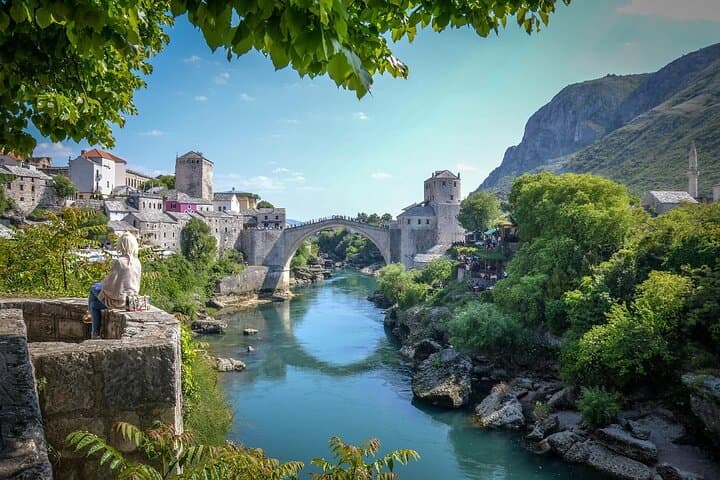
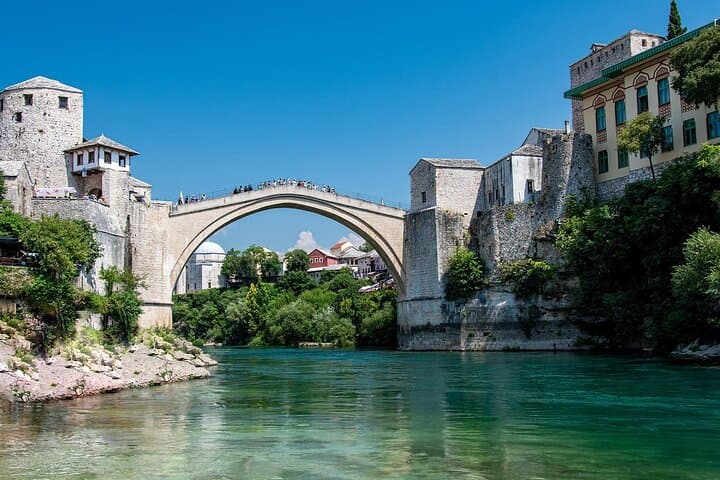
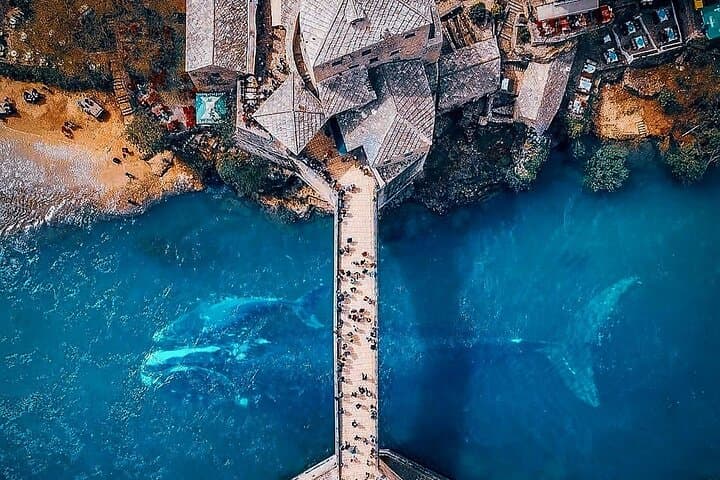
A gray Adriatic morning peels away as the coach winds inland from Dubrovnik, sea giving way to limestone hills and olive-scrub slopes. By midmorning you’re standing at the edge of Mostar’s Neretva, the river daring you to cross where the Ottoman-era Stari Most arcs skyward — a bridge rebuilt after war, now humming with local life and vendors selling copperware and ćevapi.
A gray Adriatic morning peels away as the coach winds inland from Dubrovnik, sea giving way to limestone hills and olive-scrub slopes. By midmorning you’re standing at the edge of Mostar’s Neretva, the river daring you to cross where the Ottoman-era Stari Most arcs skyward — a bridge rebuilt after war, now humming with local life and vendors selling copperware and ćevapi.
This loop moves through layered history: Ottoman bazaars and mosques sit beside Austro-Hungarian façades; Počitelj’s fortified stone houses recall medieval defensive lines; Medjugorje offers a modern spiritual chapter after the 1981 Marian apparitions transformed a quiet village into a pilgrimage destination. Geology shifts too — karst plateaus funnel clear springs into the Neretva, creating emerald pools and dramatic cliffs that shaped settlement and trade routes.
Expect short walks across cobbles, narrow streets, and viewpoints that require a few dozen steep steps. Time in Mostar typically covers Old Town, Kujundžiluk craft lane, and riverside cafés; Medjugorje time is quieter — processional paths, church squares, and viewpoint hikes if you choose. Pocitelj is a quick stop for photos and Ottoman stonework.
Practical edge: bring comfortable, grippy shoes for cobbles and steps, a refillable water bottle, and a light layer for coastal winds and inland shade. Carry small change for local vendors and dress respectfully in Medjugorje — modest shoulders and knees for church spaces. With a reactive driver-guide and roughly seven–eight hours on the road, the day balances cultural immersion and straightforward logistics for travelers wanting a compact survey of southern Bosnia.