THE ADVENTURE COLLECTIVE® · Independent discovery and booking for outdoor travel

Cross the wide Rio de la Plata for a focused, 12‑hour exploration of Montevideo’s waterfront, markets and museums. This full‑day from Buenos Aires pairs a scenic ferry ride with guided city stops and a local lunch.
Cross the wide Rio de la Plata for a focused, 12‑hour exploration of Montevideo’s waterfront, markets and museums. This full‑day from Buenos Aires pairs a scenic ferry ride with guided city stops and a local lunch.
The day begins before dawn on Buenos Aires' port, the city still soft with night air as you board the ferry toward Montevideo. The Rio de la Plata opens like a wide, grey theater; the wake hisses behind the boat and the Uruguayan coastline grows from a low, sandy line to an arriving city that breathes sea salt and old pavement.
Verified experiences and guided adventures in the surrounding area.
Operated by ByBuenosAires · Montevideo, Montevideo Department
The day begins before dawn on Buenos Aires' port, the city still soft with night air as you board the ferry toward Montevideo. The Rio de la Plata opens like a wide, grey theater; the wake hisses behind the boat and the Uruguayan coastline grows from a low, sandy line to an arriving city that breathes sea salt and old pavement.
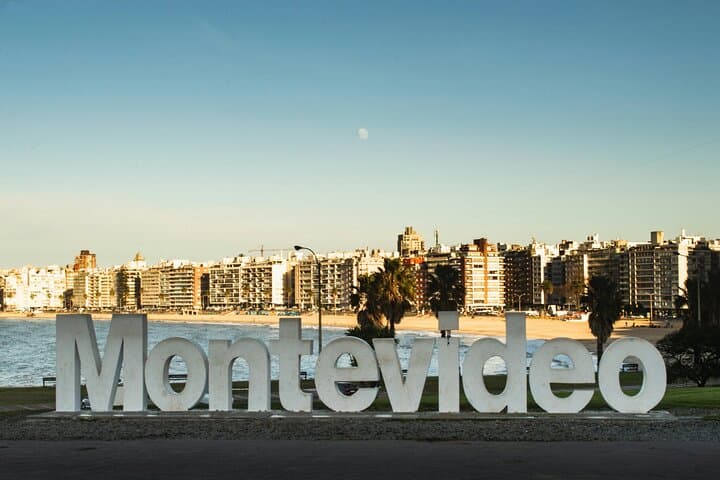
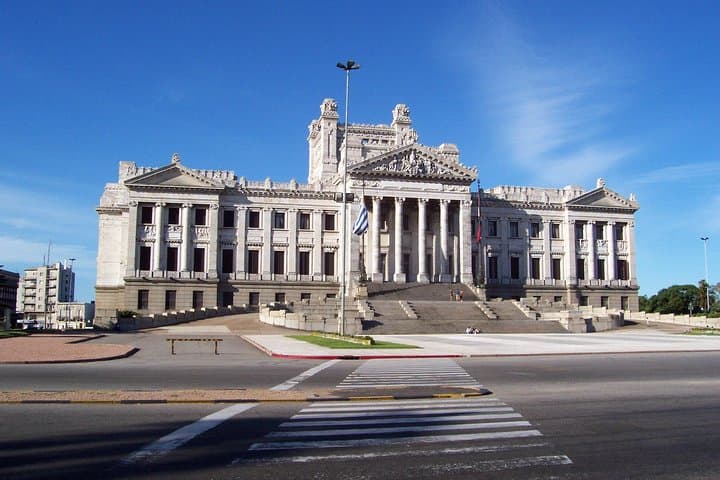
Montevideo’s grid reflects layers of history—Spanish colonial plazas, 19th‑century European façades, and working-class neighborhoods that swelled with Italian and Spanish immigrants. Geologically the region is flat coastal plain, its beaches and estuarine shoreline shaped by tidal currents of the Plata rather than dramatic elevation. Culture here moves between relaxed beachfront rambles and vibrant marketplaces: Mercado del Puerto’s grilled smoke, the literary clutter of Feria de Tristán Narvaja, and the masked rhythms at the Museo del Carnaval.
On a day tour expect guided stops at emblematic corners, time to hop off a city‑sight bus, a included lunch in a local restaurant, and several hours of pedestrian exploration—paved promenades, a few stairways and museum interiors.
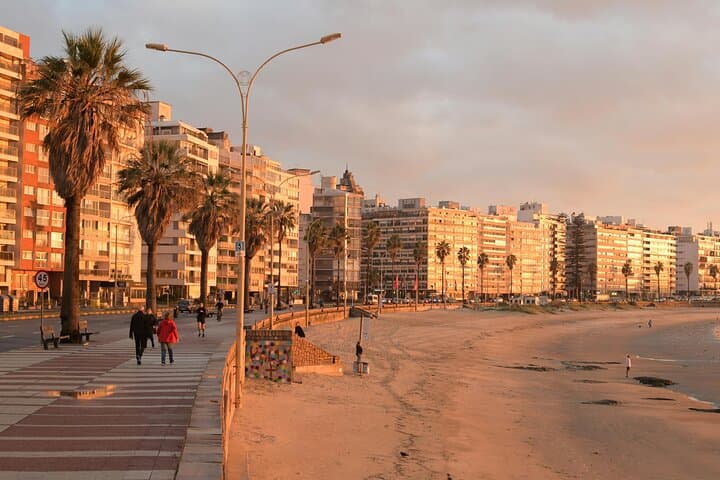
Practical notes: bring your passport and a compact daypack; crossings and city walking make this a long, active day. Ferries operate on fixed schedules—arrive early and check luggage rules. Weather on the Plata can switch; a light rain shell and sun protection are both smart. If you want to keep moving, prioritize the Rambla for coastal views and the Prado for quieter streets. Return crossings arrive back at Buenos Aires port; plan onward transfers with extra buffer for maritime delays.
moderate.
12 hours.
Moderate—able to walk 3–6 miles over paved surfaces during the day with occasional standing and stair use.
Visa requirements depend on nationality—many countries can enter Uruguay visa‑free for short visits, but check current consular rules and bring your passport.
Lunch is included at a selected restaurant; indicate dietary restrictions at booking so the operator can accommodate when possible.
Crossing the Rio de la Plata by high‑speed ferry typically takes about 2–3 hours each way depending on the service and weather.
Yes—you’ll have scheduled free time for shopping and walking, often with a hop‑on/hop‑off bus option to manage your own stop choices.
Montevideo grew from a 18th‑century Spanish fort into Uruguay’s political and cultural capital, shaped by 19th‑century immigration from Europe and its strategic port position on the Plata.
The coastal Rambla is managed for both recreation and erosion control—respect signage on dunes and avoid disturbing shoreline vegetation to protect habitat.
ByBuenosAires operates guided outdoor trips and adventures with an emphasis on safety, stewardship, and memorable experiences.
The day begins before dawn on Buenos Aires' port, the city still soft with night air as you board the ferry toward Montevideo. The Rio de la Plata opens like a wide, grey theater; the wake hisses behind the boat and the Uruguayan coastline grows from a low, sandy line to an arriving city that breathes sea salt and old pavement.
The day begins before dawn on Buenos Aires' port, the city still soft with night air as you board the ferry toward Montevideo. The Rio de la Plata opens like a wide, grey theater; the wake hisses behind the boat and the Uruguayan coastline grows from a low, sandy line to an arriving city that breathes sea salt and old pavement.
Montevideo’s grid reflects layers of history—Spanish colonial plazas, 19th‑century European façades, and working-class neighborhoods that swelled with Italian and Spanish immigrants. Geologically the region is flat coastal plain, its beaches and estuarine shoreline shaped by tidal currents of the Plata rather than dramatic elevation. Culture here moves between relaxed beachfront rambles and vibrant marketplaces: Mercado del Puerto’s grilled smoke, the literary clutter of Feria de Tristán Narvaja, and the masked rhythms at the Museo del Carnaval.
On a day tour expect guided stops at emblematic corners, time to hop off a city‑sight bus, a included lunch in a local restaurant, and several hours of pedestrian exploration—paved promenades, a few stairways and museum interiors.
Practical notes: bring your passport and a compact daypack; crossings and city walking make this a long, active day. Ferries operate on fixed schedules—arrive early and check luggage rules. Weather on the Plata can switch; a light rain shell and sun protection are both smart. If you want to keep moving, prioritize the Rambla for coastal views and the Prado for quieter streets. Return crossings arrive back at Buenos Aires port; plan onward transfers with extra buffer for maritime delays.