THE ADVENTURE COLLECTIVE® · Independent discovery and booking for outdoor travel

Drive from Dubrovnik into Boka Bay for a private day of seaside towns, Venetian stone and a climb above Kotor’s medieval walls. This full-day tour packs Perast, Our Lady of the Rocks and Kotor’s Old Town into a single, scenic itinerary.
Drive from Dubrovnik into Boka Bay for a private day of seaside towns, Venetian stone and a climb above Kotor’s medieval walls. This full-day tour packs Perast, Our Lady of the Rocks and Kotor’s Old Town into a single, scenic itinerary.
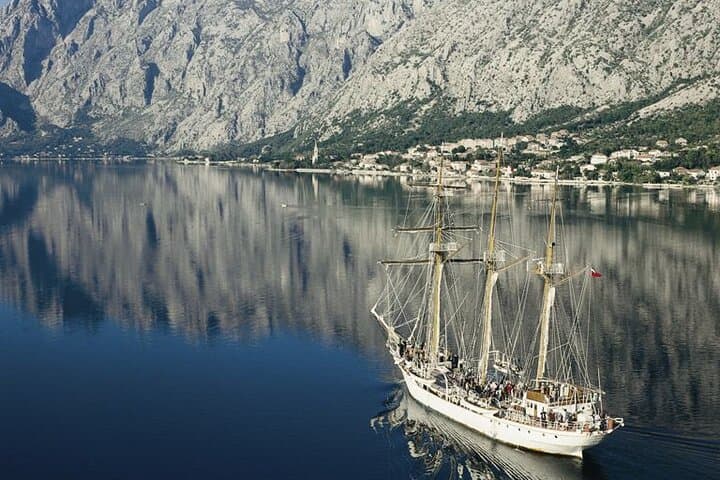
You step out of Dubrovnik’s Ploče Gate into a cool morning and slip south along a highway that pins the sea against steep limestone. The driver eases onto the coastal road; Boka Bay unfolds like a long, sheltered inlet where mountains lean into the water and small towns cling to the shore.
Verified experiences and guided adventures in the surrounding area.
Operated by Best Dubrovnik Stay · Kotor, Kotor Municipality
You step out of Dubrovnik’s Ploče Gate into a cool morning and slip south along a highway that pins the sea against steep limestone. The driver eases onto the coastal road; Boka Bay unfolds like a long, sheltered inlet where mountains lean into the water and small towns cling to the shore.
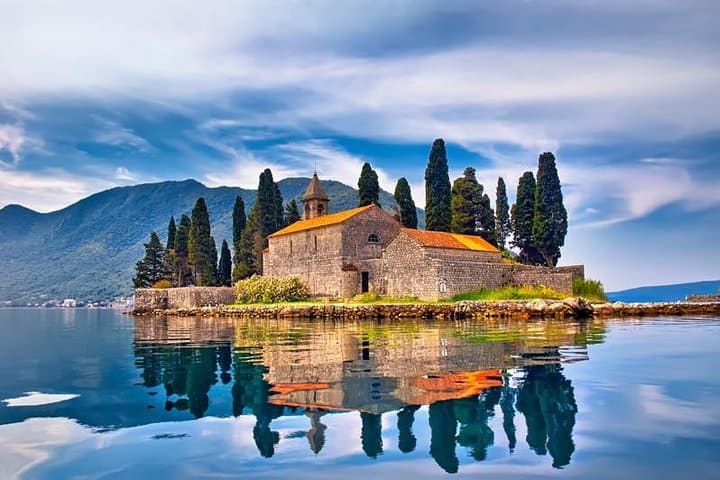
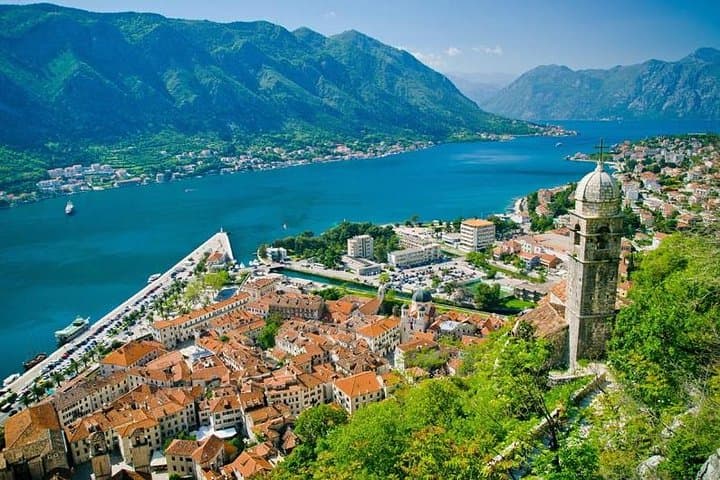
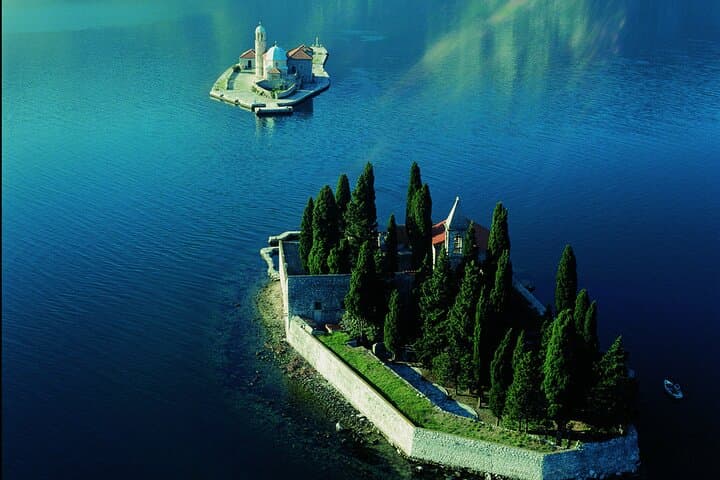
First stop is Perast, a low-profile town with baroque facades and two tiny islets—a man-made church island and the painted chapel of Our Lady of the Rocks—where boatmen and gulls keep watch. Later, Kotor’s Old Town rises from the waterfront: narrow lanes, stone stairwells and the Cathedral of St. Tripun, all set beneath the city walls that climb to the San Giovanni fortress. The geology here is karst limestone sculpted by tectonic uplift and sea-level change, creating the dramatic fjord-like bay locals have long used as a natural harbor.
Culturally the area carries Venetian and Austro-Hungarian fingerprints; maritime traditions and seafood-forward cuisine are central. Expect UNESCO-protected streets, cobbles that test shoes, and views that reward a steady climb.
Practical notes: this is a long, private day trip—carry your passport for the Montenegro border, bring sturdy walking shoes for cobbles and stairs, and plan for sun and sudden winds on the water. If you want quieter photos, schedule Perast in the morning and Kotor for late afternoon when the slanting light softens the stone. Hydrate, keep euros handy (Montenegro uses the euro), and allow extra time for border control and short boat transfers if you opt to visit the islets.
easy.
10–11 hours.
Suitable for most fitness levels; expect a few steep stone stair sections and several hours of walking on uneven surfaces.
Yes — you will cross the Croatia–Montenegro border, so bring a valid passport or EU national ID; check visa rules for your nationality.
Admission to islets (Our Lady of the Rocks) and personal meals are not included; plan to pay on-site if you choose to visit the chapel or dine independently.
The vehicle and transport can be accessible, but Old Town cobbles and stair sections in Kotor and Perast limit mobility in many areas.
Expect moderate walking: 1–3 hours of exploration in towns with uneven cobblestones and some stair climbs to viewpoints.
Kotor and Perast grew as maritime hubs under Venetian influence; the fortified Old Town and baroque buildings reflect centuries of coastal trade and shipbuilding.
Boka Bay sees growing tourist pressure and cruise traffic—minimize impact by staying on marked paths, avoiding single-use plastics, and choosing smaller local operators.
Best Dubrovnik Stay operates guided outdoor trips and adventures with an emphasis on safety, stewardship, and memorable experiences.
You step out of Dubrovnik’s Ploče Gate into a cool morning and slip south along a highway that pins the sea against steep limestone. The driver eases onto the coastal road; Boka Bay unfolds like a long, sheltered inlet where mountains lean into the water and small towns cling to the shore.
You step out of Dubrovnik’s Ploče Gate into a cool morning and slip south along a highway that pins the sea against steep limestone. The driver eases onto the coastal road; Boka Bay unfolds like a long, sheltered inlet where mountains lean into the water and small towns cling to the shore.
First stop is Perast, a low-profile town with baroque facades and two tiny islets—a man-made church island and the painted chapel of Our Lady of the Rocks—where boatmen and gulls keep watch. Later, Kotor’s Old Town rises from the waterfront: narrow lanes, stone stairwells and the Cathedral of St. Tripun, all set beneath the city walls that climb to the San Giovanni fortress. The geology here is karst limestone sculpted by tectonic uplift and sea-level change, creating the dramatic fjord-like bay locals have long used as a natural harbor.
Culturally the area carries Venetian and Austro-Hungarian fingerprints; maritime traditions and seafood-forward cuisine are central. Expect UNESCO-protected streets, cobbles that test shoes, and views that reward a steady climb.
Practical notes: this is a long, private day trip—carry your passport for the Montenegro border, bring sturdy walking shoes for cobbles and stairs, and plan for sun and sudden winds on the water. If you want quieter photos, schedule Perast in the morning and Kotor for late afternoon when the slanting light softens the stone. Hydrate, keep euros handy (Montenegro uses the euro), and allow extra time for border control and short boat transfers if you opt to visit the islets.