THE ADVENTURE COLLECTIVE® · Independent discovery and booking for outdoor travel

Walk among towering moai, volcanic quarry faces and a palm-fringed white-sand bay on a full-day tour led by local Rapa Nui guides. Expect intimate storytelling, short hikes over volcanic terrain and practical advice for a comfortable, culturally respectful visit.
Walk among towering moai, volcanic quarry faces and a palm-fringed white-sand bay on a full-day tour led by local Rapa Nui guides. Expect intimate storytelling, short hikes over volcanic terrain and practical advice for a comfortable, culturally respectful visit.
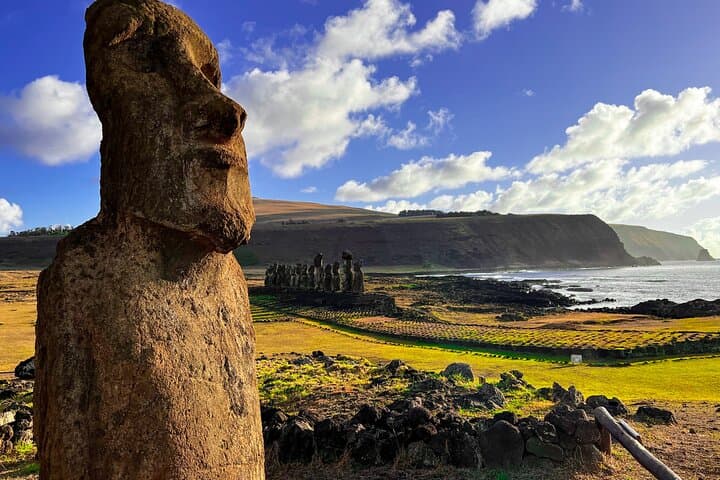
You step off the minivan and the wind on Rapa Nui seems to be speaking: it pushes, cool and salty, across an open plain of volcanic rock and grass. In minutes a ring of head-sized statues—moai—appear on a stone ahu, their profiles cut against the sea, eyes long missing but presence intact. The guide, a young Rapa Nui descendant, moves between stories and stones, shifting the landscape from scenic to sacred.
Verified experiences and guided adventures in the surrounding area.
Operated by Maori tour Rapa Nui · Hanga Roa, Valparaíso Region
You step off the minivan and the wind on Rapa Nui seems to be speaking: it pushes, cool and salty, across an open plain of volcanic rock and grass. In minutes a ring of head-sized statues—moai—appear on a stone ahu, their profiles cut against the sea, eyes long missing but presence intact. The guide, a young Rapa Nui descendant, moves between stories and stones, shifting the landscape from scenic to sacred.
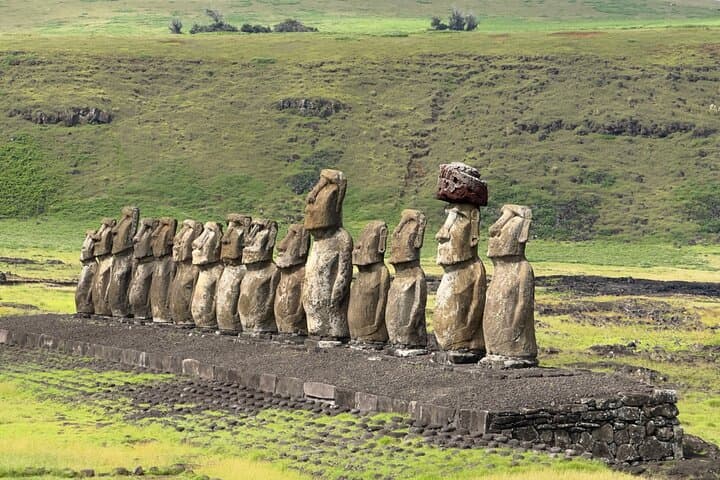
This full-day circuit threads key sites: the reconstructed village at Vaihu, original habitation remains, the vast Ahu Tongariki platform with its 15 moai, the colossal Paro moai, and the palm-backed white sand of Anakena. Geology here is raw—tuff quarry faces at Rano Raraku and hardened lava fields meet beach sand; expect packed dirt, volcanic scree and short rises of up to a couple hundred meters combined through the day. Culturally, oral histories and family lineages drive interpretation; guides emphasize ritual use, the island’s royal past and the 1960s-70s restoration efforts.
Practically, the tour is 6–8 hours, small groups (up to ~10), and suitable for most fitness levels with several short walks totaling roughly 4–6 km. Bring layered sun protection, 1.5–2 L water, sturdy shoes for uneven ground and a light windbreaker. Photography is welcome but observe local guidance at ceremonial sites. Start early in the day for softer light at the ahu and to avoid the strongest winds.
By the end you’ll have traced volcanic contours, visited ancestral platforms and heard the island’s stories told by those who live them—an immersive day that balances landscapes with lineage.
easy.
6–8 hours.
Basic all-day stamina—able to walk 4–6 km over uneven ground and stand for extended viewing periods.
The tour is rated easy—most walking is short and on level to gently sloping ground; basic mobility is sufficient for the 4–6 km total distance.
Yes—visitors usually pay a national park fee separately at official points; confirm current rates and bring cash or card as advised by your operator.
Meals are not specified in the itinerary—plan to bring snacks and check whether lunch or any refreshments are provided during booking.
Infants can join and strollers are usable in some locations, but some uneven areas are not stroller-friendly; discuss pickup and accessibility needs with the operator.
Rapa Nui’s moai and ahu are products of a complex society of the Polynesian world; many sites were later restored after earthquakes and social upheaval, including large-scale projects in the 20th century.
Visitor impact is managed through designated paths and park fees; stick to marked routes, avoid climbing on ahu and support local guides who practice cultural stewardship.
Maori tour Rapa Nui operates guided outdoor trips and adventures with an emphasis on safety, stewardship, and memorable experiences.
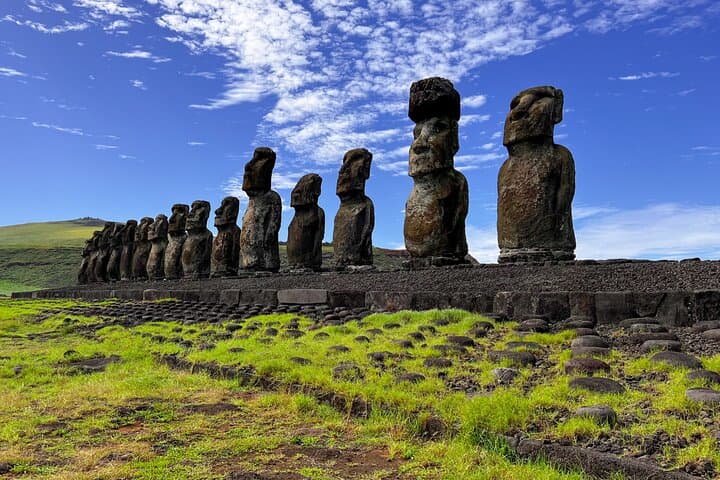
You step off the minivan and the wind on Rapa Nui seems to be speaking: it pushes, cool and salty, across an open plain of volcanic rock and grass. In minutes a ring of head-sized statues—moai—appear on a stone ahu, their profiles cut against the sea, eyes long missing but presence intact. The guide, a young Rapa Nui descendant, moves between stories and stones, shifting the landscape from scenic to sacred.
You step off the minivan and the wind on Rapa Nui seems to be speaking: it pushes, cool and salty, across an open plain of volcanic rock and grass. In minutes a ring of head-sized statues—moai—appear on a stone ahu, their profiles cut against the sea, eyes long missing but presence intact. The guide, a young Rapa Nui descendant, moves between stories and stones, shifting the landscape from scenic to sacred.
This full-day circuit threads key sites: the reconstructed village at Vaihu, original habitation remains, the vast Ahu Tongariki platform with its 15 moai, the colossal Paro moai, and the palm-backed white sand of Anakena. Geology here is raw—tuff quarry faces at Rano Raraku and hardened lava fields meet beach sand; expect packed dirt, volcanic scree and short rises of up to a couple hundred meters combined through the day. Culturally, oral histories and family lineages drive interpretation; guides emphasize ritual use, the island’s royal past and the 1960s-70s restoration efforts.
Practically, the tour is 6–8 hours, small groups (up to ~10), and suitable for most fitness levels with several short walks totaling roughly 4–6 km. Bring layered sun protection, 1.5–2 L water, sturdy shoes for uneven ground and a light windbreaker. Photography is welcome but observe local guidance at ceremonial sites. Start early in the day for softer light at the ahu and to avoid the strongest winds.
By the end you’ll have traced volcanic contours, visited ancestral platforms and heard the island’s stories told by those who live them—an immersive day that balances landscapes with lineage.