THE ADVENTURE COLLECTIVE® · Independent discovery and booking for outdoor travel

Spend a full day from Thessaloniki exploring Meteora’s towering sandstone pillars and cliff-top Orthodox monasteries. Combine geology, centuries-old monastic culture, and sweeping viewpoints on a transport-supported day trip.
Spend a full day from Thessaloniki exploring Meteora’s towering sandstone pillars and cliff-top Orthodox monasteries. Combine geology, centuries-old monastic culture, and sweeping viewpoints on a transport-supported day trip.
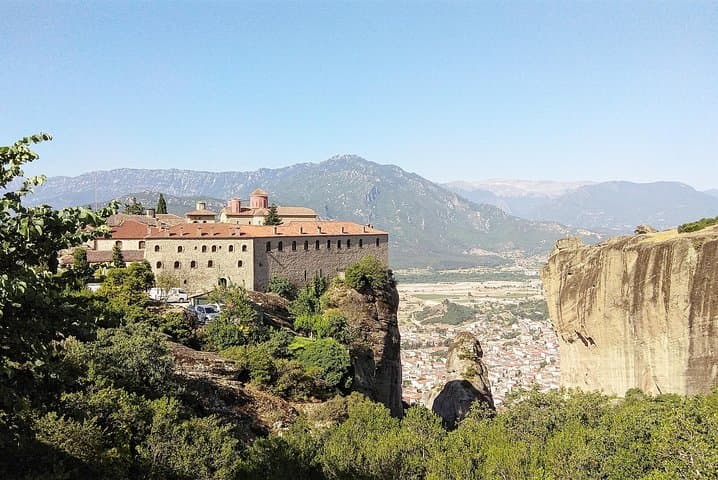
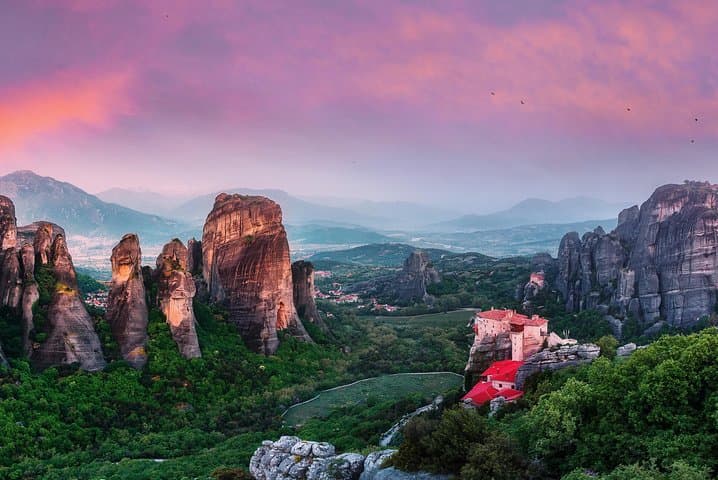
You arrive on a bright Greek morning, the highway unspooling west from Thessaloniki and the air sharpening as the plains give way to serrated rock towers. The Meteora pillars rise like weathered columns of a forgotten cathedral, their sheer faces daring you closer; staircases and pathways wind upward to monasteries that sit improbably on narrow summits.
Verified experiences and guided adventures in the surrounding area.
Operated by allways greece · Kalambaka, Thessaly
You arrive on a bright Greek morning, the highway unspooling west from Thessaloniki and the air sharpening as the plains give way to serrated rock towers. The Meteora pillars rise like weathered columns of a forgotten cathedral, their sheer faces daring you closer; staircases and pathways wind upward to monasteries that sit improbably on narrow summits.
Geology here is blunt and old: these sandstone and conglomerate cliffs formed about 60 million years ago when river sediments hardened and were sculpted by wind and water. By the 14th century Orthodox monks had found refuge on these summits, hauling supplies by ladder and net; today six monasteries remain active and UNESCO protection recognizes both their cultural and architectural significance. The local villages — Kalambaka and Kastraki — keep a quiet, working rhythm: sheep on the roads, stone houses, and tavernas serving simple food.
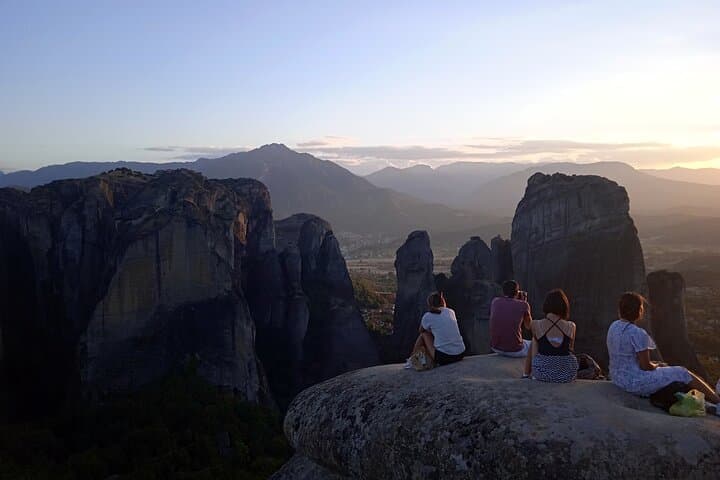
On a guided full-day tour from Thessaloniki you’ll visit key monasteries, pause at panoramic overlooks, and have free time at the rock foothills to wander or photograph. Expect several flights of stone stairs and modest walks between viewpoints; modest mobility limits some monastery access. Practical notes: wear grippy shoes, carry water, and dress respectfully for church entry (shoulders and knees covered). Mornings bring softer light and cooler air for climbing; late afternoon light sculpts the rocks for dramatic photos.
This itinerary fits travelers who want a compact, transport-supported day of geology, history, and mountain culture without overnight logistics.
moderate.
9–10 hours.
Able to climb multiple flights of stone steps and walk short uneven trails; moderate cardiovascular fitness recommended
Most active monasteries charge a small admission fee and require modest dress; fees are paid on-site and help support maintenance.
By road Meteora (Kalambaka) is roughly 230–240 km west of Thessaloniki, about a 3–3.5 hour drive one way depending on traffic.
Accessibility is limited: many sites involve stairs and narrow paths; some lookouts and valley viewpoints are accessible but monastery interiors usually are not.
Yes — full-day tours run from Thessaloniki and include transportation, guided stops, and free time at foothill viewpoints and monastery complexes.
Meteora’s monastic presence grew in the 14th–16th centuries as monks sought isolation and safety during turbulent periods; many buildings retain Byzantine frescoes and monastic architecture.
Visitor numbers are managed and conservation efforts focus on protecting fragile rock faces and historic frescoes—stick to marked paths and follow monastery rules to reduce impact.
allways greece operates guided outdoor trips and adventures with an emphasis on safety, stewardship, and memorable experiences.
You arrive on a bright Greek morning, the highway unspooling west from Thessaloniki and the air sharpening as the plains give way to serrated rock towers. The Meteora pillars rise like weathered columns of a forgotten cathedral, their sheer faces daring you closer; staircases and pathways wind upward to monasteries that sit improbably on narrow summits.
You arrive on a bright Greek morning, the highway unspooling west from Thessaloniki and the air sharpening as the plains give way to serrated rock towers. The Meteora pillars rise like weathered columns of a forgotten cathedral, their sheer faces daring you closer; staircases and pathways wind upward to monasteries that sit improbably on narrow summits.
Geology here is blunt and old: these sandstone and conglomerate cliffs formed about 60 million years ago when river sediments hardened and were sculpted by wind and water. By the 14th century Orthodox monks had found refuge on these summits, hauling supplies by ladder and net; today six monasteries remain active and UNESCO protection recognizes both their cultural and architectural significance. The local villages — Kalambaka and Kastraki — keep a quiet, working rhythm: sheep on the roads, stone houses, and tavernas serving simple food.
On a guided full-day tour from Thessaloniki you’ll visit key monasteries, pause at panoramic overlooks, and have free time at the rock foothills to wander or photograph. Expect several flights of stone stairs and modest walks between viewpoints; modest mobility limits some monastery access. Practical notes: wear grippy shoes, carry water, and dress respectfully for church entry (shoulders and knees covered). Mornings bring softer light and cooler air for climbing; late afternoon light sculpts the rocks for dramatic photos.
This itinerary fits travelers who want a compact, transport-supported day of geology, history, and mountain culture without overnight logistics.