THE ADVENTURE COLLECTIVE® · Independent discovery and booking for outdoor travel

Experience Meteora’s cliff-top monasteries and moonlike rock pillars on a full-day excursion from Athens. This guide covers geology, history, logistics, and practical tips to make the most of the long but unforgettable day.
Experience Meteora’s cliff-top monasteries and moonlike rock pillars on a full-day excursion from Athens. This guide covers geology, history, logistics, and practical tips to make the most of the long but unforgettable day.
You arrive before dawn on the coach as the plain east of Thessaly opens into strange, vertical pillars of stone. Fingers of sandstone lift from the valley, capped by centuries-old monasteries clinging to ledges; wind moves through narrow passes and the air smells of grass and church smoke.
Verified experiences and guided adventures in the surrounding area.
Operated by Open Top Bus hellas M.E.P.E. · Kalabaka, Thessaly
You arrive before dawn on the coach as the plain east of Thessaly opens into strange, vertical pillars of stone. Fingers of sandstone lift from the valley, capped by centuries-old monasteries clinging to ledges; wind moves through narrow passes and the air smells of grass and church smoke.
Meteora’s dramatic towers are conglomerate and sandstone formed by river and lake deposits millions of years ago, later shaped by weathering into the steep pillars you see today. Monastic life returned to these rocks from the 9th century and peaked in the 14th–16th centuries; the site became a UNESCO World Heritage Site for its cultural and geological significance in 1988. Small villages like Kalabaka and Kastraki sit at the pillars’ feet and have long provided supplies and craftsmen to the monasteries.
On a day trip from Athens you’ll travel by air-conditioned coach (about four hours each way), meet a local guide, use a multilingual audio guide, and pause at viewpoints and hermit caves such as Badovas. Two or three monasteries are commonly open for visitors—there is a modest entry fee per monastery (typically €3–5) and stairs are steep.
Practical edge: wear sturdy shoes for uneven rock paths, carry 1–2 liters of water, and plan for a long day (expect 12–14 hours including transfers). Respect dress codes at active monasteries (shoulders and knees covered). Time your visit for early morning or late afternoon light for the best photos and cooler hiking conditions.
moderate.
12–14 hours.
Moderate fitness—able to walk several hours, climb uneven stone stairs and stand during guided segments.
The coach transfer is roughly 3.5–4 hours each way depending on traffic, making this a full-day excursion (about 12–14 hours total).
No—entrance fees are typically small and paid on site (roughly €3–5 per monastery) and may vary by monastery.
Expect moderate walking with many stairs and uneven paths; travelers should have a moderate fitness level and be able to climb steps.
Yes—the tour offers multilingual audio guides and an English-speaking local guide, plus options in several languages for the audioguide.
Monks reoccupied Meteora from the 9th century and established the cliff-top monasteries mainly in the 14th–16th centuries; the site is a UNESCO World Heritage Site since 1988.
Meteora sees heavy visitation—stay on marked paths, avoid touching fragile rock or frescoes, and use local services to support sustainable tourism.
Open Top Bus hellas M.E.P.E. operates guided outdoor trips and adventures with an emphasis on safety, stewardship, and memorable experiences.
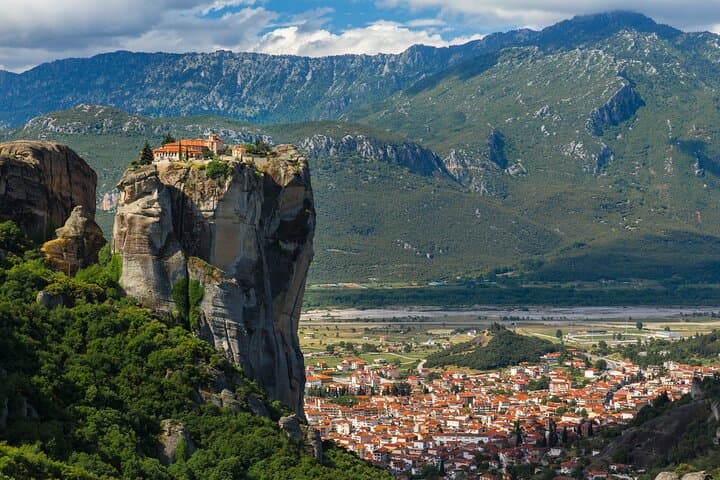
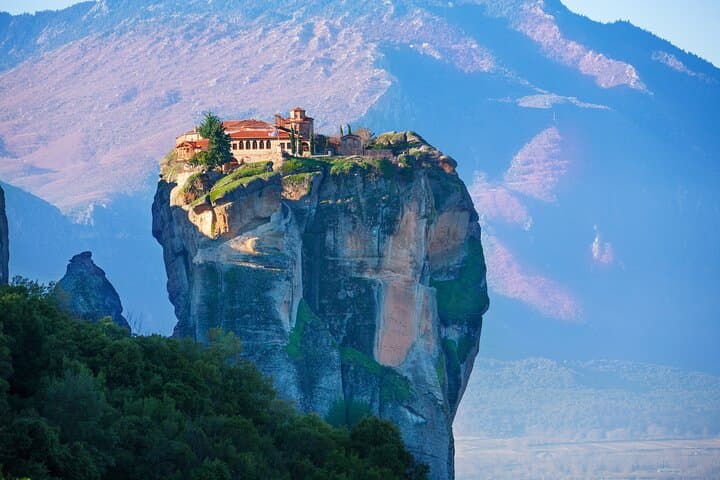
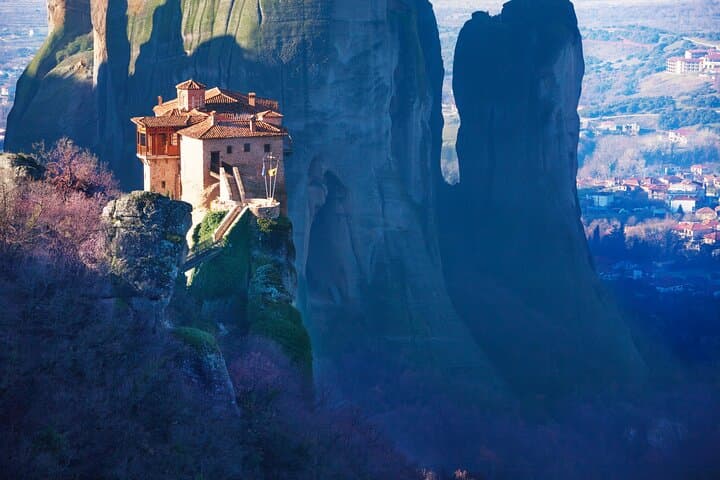
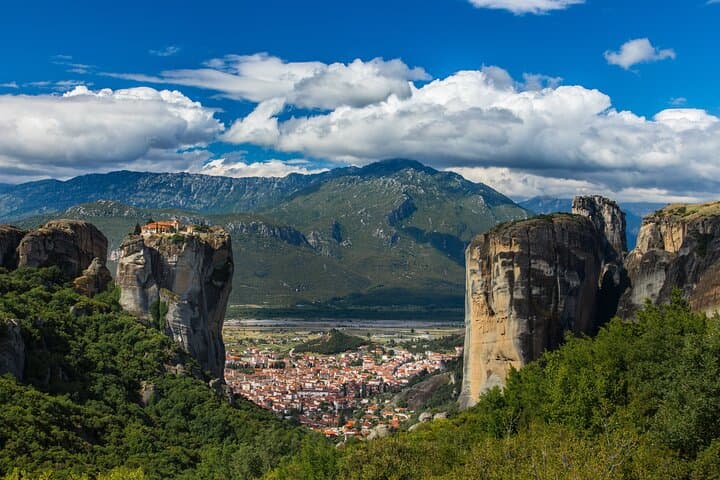
You arrive before dawn on the coach as the plain east of Thessaly opens into strange, vertical pillars of stone. Fingers of sandstone lift from the valley, capped by centuries-old monasteries clinging to ledges; wind moves through narrow passes and the air smells of grass and church smoke.
You arrive before dawn on the coach as the plain east of Thessaly opens into strange, vertical pillars of stone. Fingers of sandstone lift from the valley, capped by centuries-old monasteries clinging to ledges; wind moves through narrow passes and the air smells of grass and church smoke.
Meteora’s dramatic towers are conglomerate and sandstone formed by river and lake deposits millions of years ago, later shaped by weathering into the steep pillars you see today. Monastic life returned to these rocks from the 9th century and peaked in the 14th–16th centuries; the site became a UNESCO World Heritage Site for its cultural and geological significance in 1988. Small villages like Kalabaka and Kastraki sit at the pillars’ feet and have long provided supplies and craftsmen to the monasteries.
On a day trip from Athens you’ll travel by air-conditioned coach (about four hours each way), meet a local guide, use a multilingual audio guide, and pause at viewpoints and hermit caves such as Badovas. Two or three monasteries are commonly open for visitors—there is a modest entry fee per monastery (typically €3–5) and stairs are steep.
Practical edge: wear sturdy shoes for uneven rock paths, carry 1–2 liters of water, and plan for a long day (expect 12–14 hours including transfers). Respect dress codes at active monasteries (shoulders and knees covered). Time your visit for early morning or late afternoon light for the best photos and cooler hiking conditions.