THE ADVENTURE COLLECTIVE® · Independent discovery and booking for outdoor travel

A long, private day from Athens that pairs the vertiginous monasteries of Meteora with the historic pass of Thermopylae. Expect dramatic geology, active monastic life, and a full day of driving punctuated by short hikes and steep steps.
A long, private day from Athens that pairs the vertiginous monasteries of Meteora with the historic pass of Thermopylae. Expect dramatic geology, active monastic life, and a full day of driving punctuated by short hikes and steep steps.
Before dawn your driver pulls out of Athens and the cityscape thins into the flat sweep of the Thessalian plain. The road hums north; by late morning the first jagged pillars of Meteora appear like islands of stone above a patchwork of fields. Monasteries cling to their summits—whitewashed cubes and terracotta roofs staring down at the valley below.
Verified experiences and guided adventures in the surrounding area.
Operated by CATTAXI · Kalambaka, Thessaly
Before dawn your driver pulls out of Athens and the cityscape thins into the flat sweep of the Thessalian plain. The road hums north; by late morning the first jagged pillars of Meteora appear like islands of stone above a patchwork of fields. Monasteries cling to their summits—whitewashed cubes and terracotta roofs staring down at the valley below.
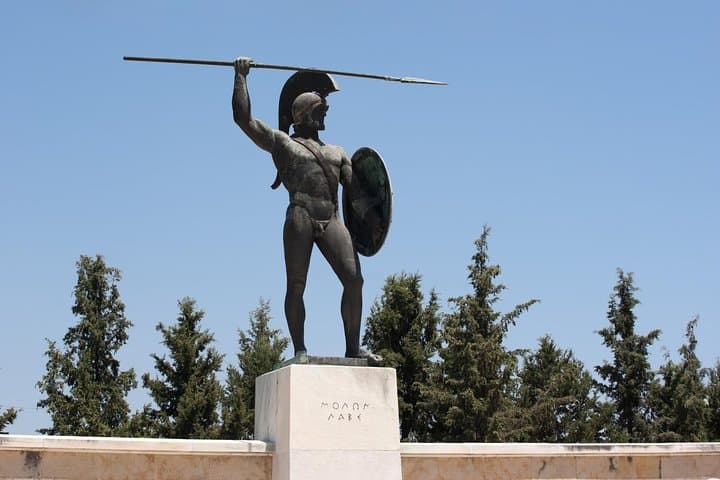
These rock towers are sandstone and conglomerate, carved by rivers and uplift over millions of years into the vertical columns you see today. In the 14th century Orthodox monks hauled themselves up by ropes and nets, choosing these heights for solitude and defense. This same route stops at Thermopylae—the “Hot Gates”—where the Spartan stand in 480 BCE shaped Greek resistance to Persia and remains a compact, powerful historical stop.
Expect a mix of geology, quiet worship, and vivid history. The monasteries are active religious sites; dress modestly, follow posted rules, and carry small cash for modest admission fees. The tour is private and driver-only: drivers provide local context and logistics, while an onsite licensed guide can be hired for deeper archaeological or ecclesiastical interpretation.
Practical edge: the full day runs about 13–15 hours with roughly 4–5 hours of driving each way from Athens. Wear sturdy walking shoes for uneven paths and stone steps, bring at least 1–1.5 liters of water, sun protection, and a compact layer for wind atop the cliffs. Restrooms and food are available but limited—pack snacks if you prefer. Early pickup, mobility constraints on steep monastery approaches, and separate admission costs are the realities that make this long, concentrated day both demanding and unforgettable.
moderate.
13–15 hours.
Good for anyone accustomed to a long day of travel and short hikes; you should be able to handle stair climbs and uneven terrain.
No—admission fees are not included in the tour price and are paid onsite; keep small cash available.
The booking includes a professional English-speaking driver who provides orientation, but a licensed onsite guide can be hired for an extra fee for deeper history.
Yes—the operator offers pickup from Athens, Piraeus cruise terminal, and Athens International Airport with prior confirmation.
Limited—many monastery approaches involve steep stairs and uneven surfaces; contact the operator about alternatives and accessible viewpoints the driver can reach.
Meteora’s monasteries rose from 14th-century ascetic practices; many were intentionally remote to protect monastic life from political upheaval. Thermopylae marks the narrow coastal pass where Spartans delayed Xerxes’ advance in 480 BCE.
Meteora is a protected UNESCO landscape; visitors are asked to stick to trails, respect monastery rules, and minimize waste to preserve both fragile rock formations and active religious sites.
CATTAXI operates guided outdoor trips and adventures with an emphasis on safety, stewardship, and memorable experiences.
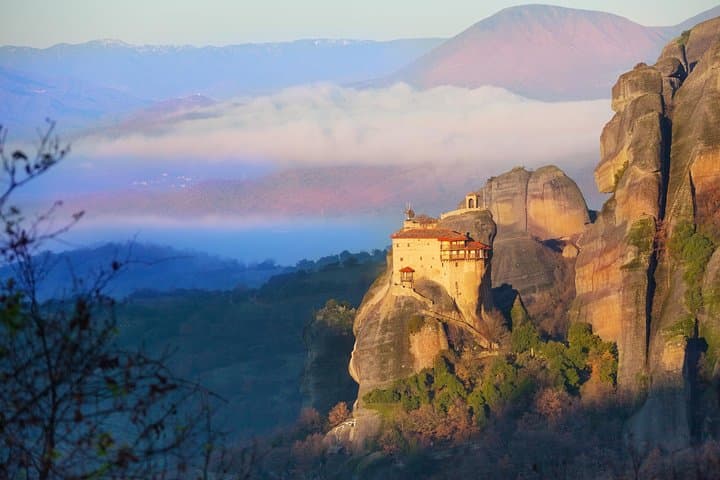
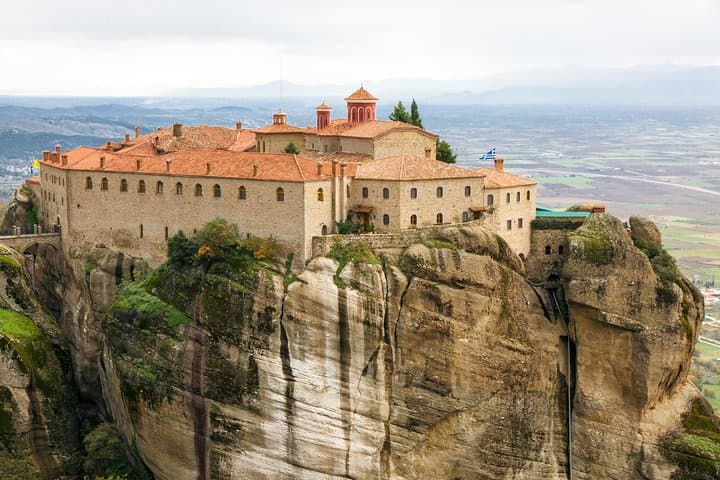
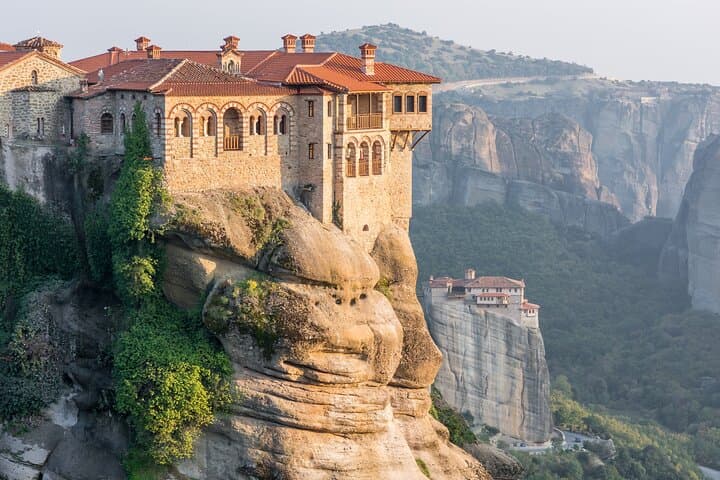
Before dawn your driver pulls out of Athens and the cityscape thins into the flat sweep of the Thessalian plain. The road hums north; by late morning the first jagged pillars of Meteora appear like islands of stone above a patchwork of fields. Monasteries cling to their summits—whitewashed cubes and terracotta roofs staring down at the valley below.
Before dawn your driver pulls out of Athens and the cityscape thins into the flat sweep of the Thessalian plain. The road hums north; by late morning the first jagged pillars of Meteora appear like islands of stone above a patchwork of fields. Monasteries cling to their summits—whitewashed cubes and terracotta roofs staring down at the valley below.
These rock towers are sandstone and conglomerate, carved by rivers and uplift over millions of years into the vertical columns you see today. In the 14th century Orthodox monks hauled themselves up by ropes and nets, choosing these heights for solitude and defense. This same route stops at Thermopylae—the “Hot Gates”—where the Spartan stand in 480 BCE shaped Greek resistance to Persia and remains a compact, powerful historical stop.
Expect a mix of geology, quiet worship, and vivid history. The monasteries are active religious sites; dress modestly, follow posted rules, and carry small cash for modest admission fees. The tour is private and driver-only: drivers provide local context and logistics, while an onsite licensed guide can be hired for deeper archaeological or ecclesiastical interpretation.
Practical edge: the full day runs about 13–15 hours with roughly 4–5 hours of driving each way from Athens. Wear sturdy walking shoes for uneven paths and stone steps, bring at least 1–1.5 liters of water, sun protection, and a compact layer for wind atop the cliffs. Restrooms and food are available but limited—pack snacks if you prefer. Early pickup, mobility constraints on steep monastery approaches, and separate admission costs are the realities that make this long, concentrated day both demanding and unforgettable.