THE ADVENTURE COLLECTIVE® · Independent discovery and booking for outdoor travel

Spend a full day crossing the Erg Chebbi dunes on camelback, meet nomadic families, and enjoy lunch in the desert. This guided tour balances dramatic desert scenery with practical logistics like hotel pickup and safe parking.
Spend a full day crossing the Erg Chebbi dunes on camelback, meet nomadic families, and enjoy lunch in the desert. This guided tour balances dramatic desert scenery with practical logistics like hotel pickup and safe parking.
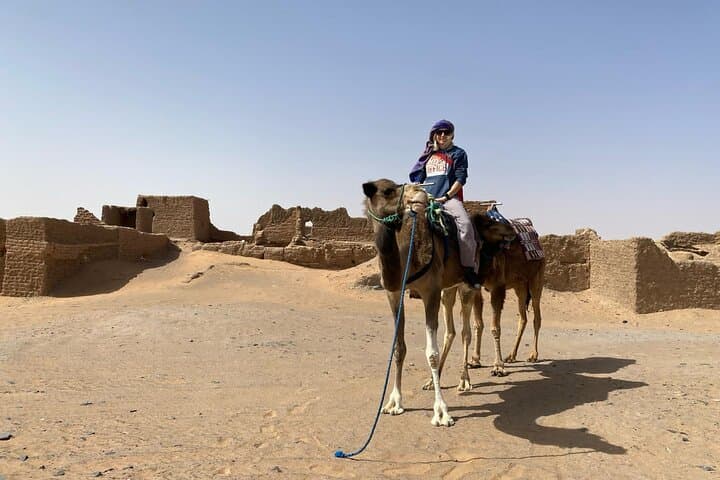
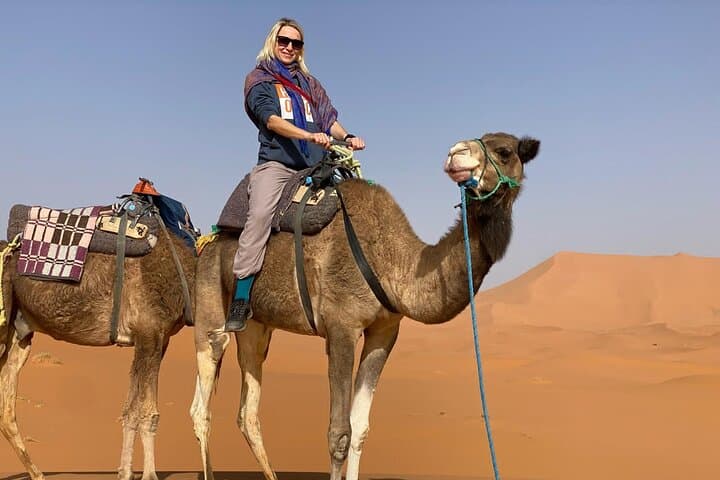
A low-slung sun spills heat across the Erg Chebbi ridges as camels step off into the grains; riders settle into the slow sway and the desert opens around them. The day begins with a simple pickup in Merzouga, then a measured march across dunes that roll like a living map—each crest revealing new light, each hollow collecting a different shade of silence.
Verified experiences and guided adventures in the surrounding area.
Operated by Khamlia Morocco tours · Merzouga, Drâa-Tafilalet
A low-slung sun spills heat across the Erg Chebbi ridges as camels step off into the grains; riders settle into the slow sway and the desert opens around them. The day begins with a simple pickup in Merzouga, then a measured march across dunes that roll like a living map—each crest revealing new light, each hollow collecting a different shade of silence.
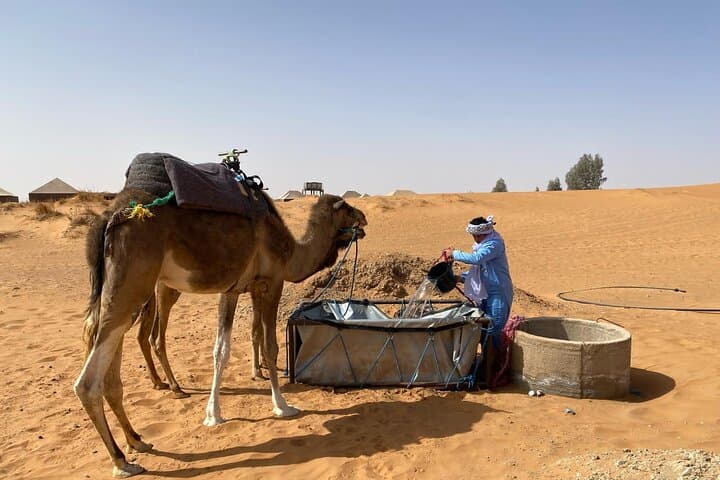
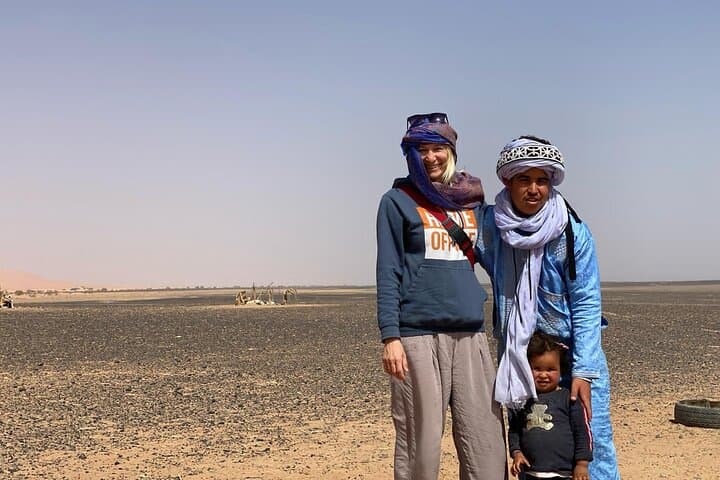
Geology here is recent in geological terms: wind-sculpted sand deposited over millennia into the towering dunes that define the edge of the Sahara. The human story runs parallel—Berber and nomadic families who moved with seasons and traded across oases, whose traditions visitors meet during a hosted lunch inside a tent. Guides are often local, passing on stories about caravan routes, salt roads, and the small communities that still water camels at hidden wells.
Expect long stretches of sandy footing while mounted; the camel's gait demands steady balance more than strength. Bring sun protection, at least two liters of water, a wind layer for mid-day gusts and comfortable closed-toe shoes for walking between vantage points. Photography windows are best at early morning and late afternoon when shadows carve the dunes; midday is harsh and offers fewer color contrasts.
Cultural etiquette matters—ask before photographing people, accept tea or bread as an exchange, and keep waste packed out. The trip is accessible to most travelers but not recommended for those with serious back or heart conditions. With local guides, a shared lunch with a nomadic family, and reliable hotel return, the excursion is a practical way to experience the Sahara’s scale without overnight camping.
easy.
7 hours.
Suitable for most travelers with basic mobility; balancing on the camel is required but no technical fitness is needed.
Yes—this tour includes hotel pickup within Merzouga and returns you to your accommodation at the end of the day.
Children can ride but should be supervised; operators often accommodate families but check age and safety rules before booking.
Lunch is served with a nomadic family and typically includes local bread, tagine or stews, tea, and bottled water as noted in the inclusions.
This trip is not recommended for pregnant travelers or those with serious back or heart conditions due to the camel’s movement and long day in the desert.
Merzouga sits at the edge of the Erg Chebbi dunes; the area has long been a crossroads for Berber nomads and caravan traffic between Saharan oases.
Rising visitor numbers can compact dune edges and strain scarce water resources—support guides who practice leave-no-trace, avoid disturbing wells, and minimize single-use plastics.
Khamlia Morocco tours operates guided outdoor trips and adventures with an emphasis on safety, stewardship, and memorable experiences.
A low-slung sun spills heat across the Erg Chebbi ridges as camels step off into the grains; riders settle into the slow sway and the desert opens around them. The day begins with a simple pickup in Merzouga, then a measured march across dunes that roll like a living map—each crest revealing new light, each hollow collecting a different shade of silence.
A low-slung sun spills heat across the Erg Chebbi ridges as camels step off into the grains; riders settle into the slow sway and the desert opens around them. The day begins with a simple pickup in Merzouga, then a measured march across dunes that roll like a living map—each crest revealing new light, each hollow collecting a different shade of silence.
Geology here is recent in geological terms: wind-sculpted sand deposited over millennia into the towering dunes that define the edge of the Sahara. The human story runs parallel—Berber and nomadic families who moved with seasons and traded across oases, whose traditions visitors meet during a hosted lunch inside a tent. Guides are often local, passing on stories about caravan routes, salt roads, and the small communities that still water camels at hidden wells.
Expect long stretches of sandy footing while mounted; the camel's gait demands steady balance more than strength. Bring sun protection, at least two liters of water, a wind layer for mid-day gusts and comfortable closed-toe shoes for walking between vantage points. Photography windows are best at early morning and late afternoon when shadows carve the dunes; midday is harsh and offers fewer color contrasts.
Cultural etiquette matters—ask before photographing people, accept tea or bread as an exchange, and keep waste packed out. The trip is accessible to most travelers but not recommended for those with serious back or heart conditions. With local guides, a shared lunch with a nomadic family, and reliable hotel return, the excursion is a practical way to experience the Sahara’s scale without overnight camping.