THE ADVENTURE COLLECTIVE® · Independent discovery and booking for outdoor travel

A full-day loop from Fez that pairs Roman mosaics, a hilltop holy town and Meknes’ grand gates. This 10‑hour excursion moves at a measured cultural pace with short walks, panoramic viewpoints, and time for lunch on your own.
A full-day loop from Fez that pairs Roman mosaics, a hilltop holy town and Meknes’ grand gates. This 10‑hour excursion moves at a measured cultural pace with short walks, panoramic viewpoints, and time for lunch on your own.
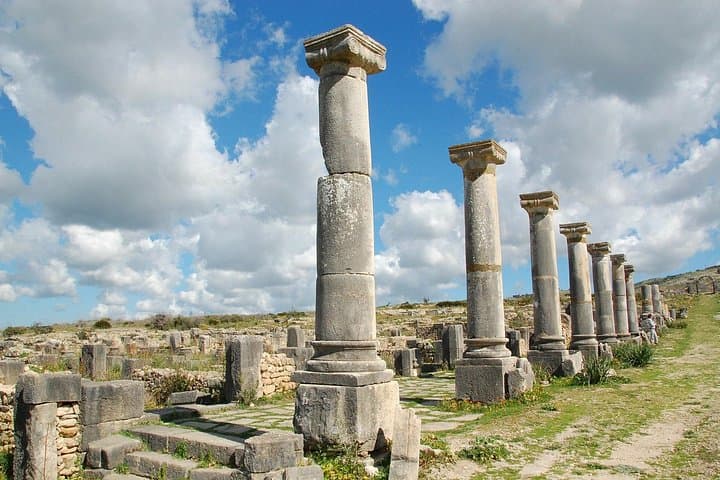
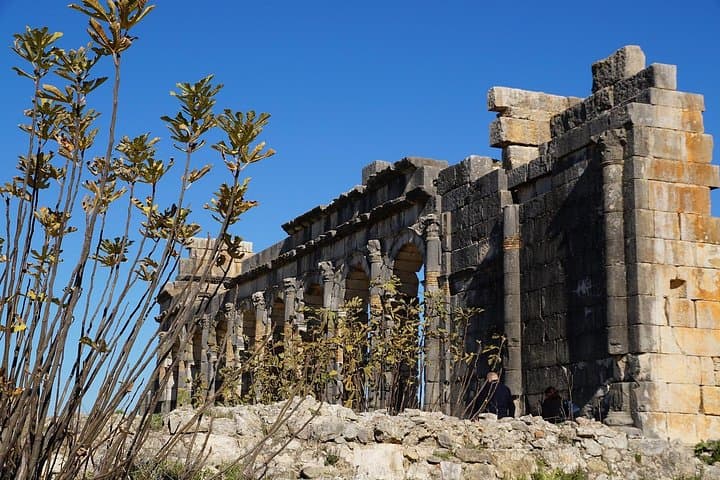
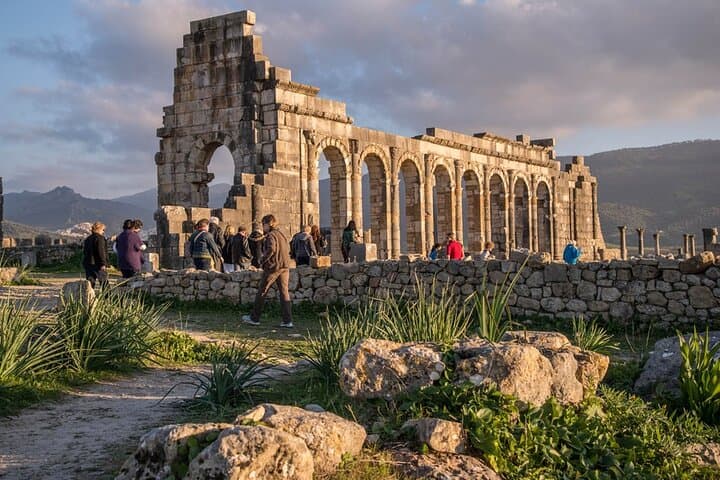
You leave Fez before the sun warms the Saïss plain, sliding through pale fields and the rising silhouette of the Zerhoun hills. The road breathes cooler air as the driver turns toward Volubilis — a Roman ruin set on a low plateau where carved stones and tessellated floors jostle for attention beneath an open sky.
Verified experiences and guided adventures in the surrounding area.
Operated by Group Morocco Travel · Fez, Fès-Meknès
You leave Fez before the sun warms the Saïss plain, sliding through pale fields and the rising silhouette of the Zerhoun hills. The road breathes cooler air as the driver turns toward Volubilis — a Roman ruin set on a low plateau where carved stones and tessellated floors jostle for attention beneath an open sky.
Volubilis feels like a slow-motion archaeological reveal: broad paved streets, intact mosaics of mythic scenes and households, and foundation stones that mark 2,000 years of occupation. From there the tour drops you into Moulay Idriss, Morocco’s holiest hill town founded where Moulay Idriss I introduced Islam in 789 AD. Its narrow alleys force a quieter pace; whitewashed steps and rooftop views watch over the fertile plain.
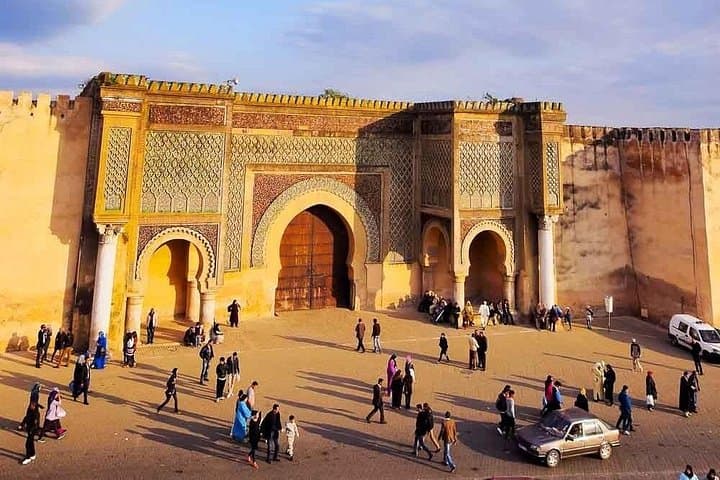
The final chapter is Meknes, a working imperial city that grew from an 11th-century military settlement into the 17th-century capital under Moulay Ismail. Expect grand gates — Bab Mansour — barns and granaries like El Heri es-Souani, ornate Andalusi-Spanish-Moorish facades, and the small but revealing Museum of Moroccan Art.
Practical side: this is a full 10‑hour day with several short walks on uneven stone; wear sturdy shoes, bring a refillable water bottle and sun protection, and have local cash for optional entrance fees and lunch. The itinerary is accessible by A/C vehicle with pickup and drop-off in Fez; parts of the ruins are uneven despite being wheelchair accessible in sections. Timing your visit for early morning light at Volubilis rewards both photos and cooler walking.
easy.
10 hours.
Light fitness required: several short walks on uneven ground and standing during site visits.
No — admission to Volubilis is typically not included; plan to pay on arrival (cash or card depending on the booth).
Yes — pickup and drop-off in Fez are included; specific pickup points will be requested at booking.
Yes — the tour is suitable for most ages and fitness levels; note there is walking on uneven surfaces and stairs in Moulay Idriss.
Parts of the itinerary are wheelchair accessible and the vehicle is accessible, but some archaeological areas and narrow streets have uneven surfaces and limited access.
Volubilis was a prosperous Roman provincial capital; Moulay Idriss became a focal pilgrimage town after Moulay Idriss I settled there in 789 AD; Meknes rose as a fortified settlement in the 11th century and expanded under Moulay Ismail in the 17th century.
Volubilis is managed to protect fragile mosaics—stay on marked paths, avoid touching tesserae, and support local guides who promote responsible tourism.
Group Morocco Travel operates guided outdoor trips and adventures with an emphasis on safety, stewardship, and memorable experiences.
You leave Fez before the sun warms the Saïss plain, sliding through pale fields and the rising silhouette of the Zerhoun hills. The road breathes cooler air as the driver turns toward Volubilis — a Roman ruin set on a low plateau where carved stones and tessellated floors jostle for attention beneath an open sky.
You leave Fez before the sun warms the Saïss plain, sliding through pale fields and the rising silhouette of the Zerhoun hills. The road breathes cooler air as the driver turns toward Volubilis — a Roman ruin set on a low plateau where carved stones and tessellated floors jostle for attention beneath an open sky.
Volubilis feels like a slow-motion archaeological reveal: broad paved streets, intact mosaics of mythic scenes and households, and foundation stones that mark 2,000 years of occupation. From there the tour drops you into Moulay Idriss, Morocco’s holiest hill town founded where Moulay Idriss I introduced Islam in 789 AD. Its narrow alleys force a quieter pace; whitewashed steps and rooftop views watch over the fertile plain.
The final chapter is Meknes, a working imperial city that grew from an 11th-century military settlement into the 17th-century capital under Moulay Ismail. Expect grand gates — Bab Mansour — barns and granaries like El Heri es-Souani, ornate Andalusi-Spanish-Moorish facades, and the small but revealing Museum of Moroccan Art.
Practical side: this is a full 10‑hour day with several short walks on uneven stone; wear sturdy shoes, bring a refillable water bottle and sun protection, and have local cash for optional entrance fees and lunch. The itinerary is accessible by A/C vehicle with pickup and drop-off in Fez; parts of the ruins are uneven despite being wheelchair accessible in sections. Timing your visit for early morning light at Volubilis rewards both photos and cooler walking.