THE ADVENTURE COLLECTIVE® · Independent discovery and booking for outdoor travel

Spend a long day combining spiritual pilgrimage, traditional Herzegovinian culture, and the refreshing spectacle of Kravica Waterfall. This guided trip pairs reflective walks at Medjugorje with swimming and scenic views at Kravica.
Spend a long day combining spiritual pilgrimage, traditional Herzegovinian culture, and the refreshing spectacle of Kravica Waterfall. This guided trip pairs reflective walks at Medjugorje with swimming and scenic views at Kravica.
Morning light hits the limestone roofs of Međugorje and the day opens with the hush of pilgrims moving toward Apparition Hill. The climb is deliberate—stone steps, scrubby pines, and moments of quiet that set the tone for a day that shifts between spiritual reflection and raw karst beauty.
Verified experiences and guided adventures in the surrounding area.
Operated by Taxi STRILA · Međugorje, Herzegovina-Neretva Canton
Morning light hits the limestone roofs of Međugorje and the day opens with the hush of pilgrims moving toward Apparition Hill. The climb is deliberate—stone steps, scrubby pines, and moments of quiet that set the tone for a day that shifts between spiritual reflection and raw karst beauty.
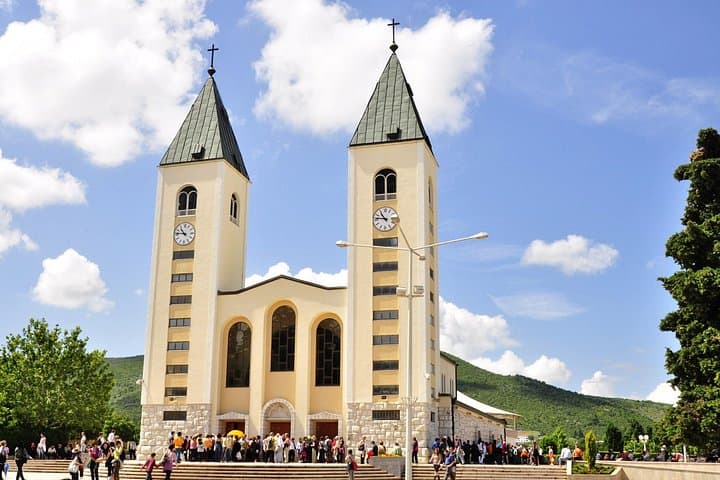
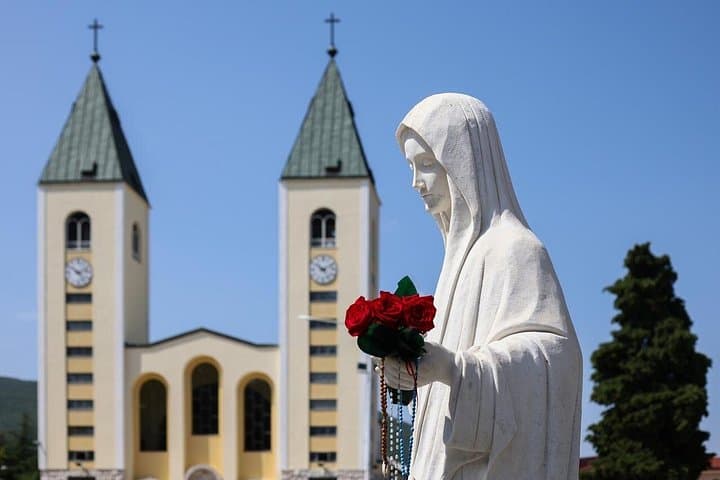
Medjugorje rose to global attention after reported Marian apparitions in 1981; today St. James Church anchors the town’s living pilgrimage tradition. Geologically, the region is classic Dinaric karst: the Trebižat River carves through travertine and tufa, culminating in Kravica’s broad curtain—28 meters tall and roughly 120 meters across—where water pools into turquoise basins and dares swimmers to cool off.
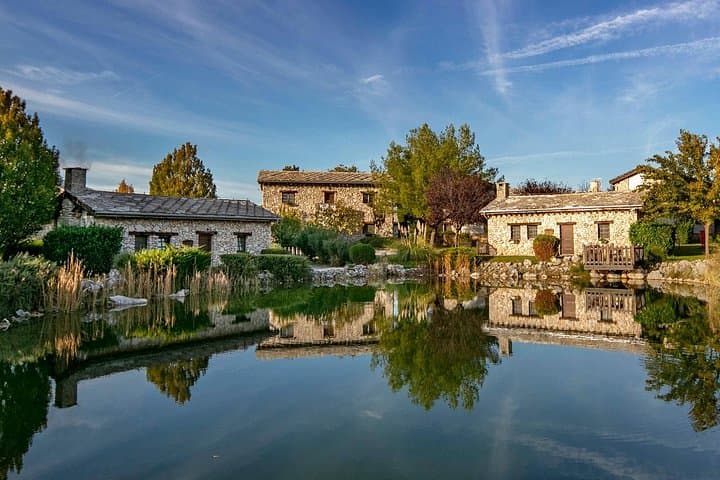
Culturally, Herceg Etno Village showcases Herzegovinian stone architecture and local winemaking rooted in Čitluk’s vineyards; shared meals here are as much a lesson in regional identity as they are a culinary stop.
Practical guidance: expect a long day (about 12–13 hours) with vehicle transfers between sites. Wear grippy shoes for uneven trail and river rocks, bring swimwear for Kravica (tickets at the site), and pack a light layer—coastal mornings can be breezy while the waterfall’s mist chills. Photographers should plan for hard light midday; early morning or late afternoon delivers softer contrast and fewer crowds.
This itinerary balances contemplative walks, cultural immersion, and a genuinely refreshing natural swim. Travelers leave with the steadier breath of someone who has walked both a pilgrimage route and a river’s eye-opening edge.
moderate.
12–13 hours.
Good for travellers with basic endurance—able to walk uneven paths and manage a few flights of steps; not technically demanding.
No — tickets at Kravica are typically paid on-site; the tour price usually covers transport and guide only.
Yes — the itinerary notes infant seats available and the walks are generally family-friendly though supervision near water and cliffs is required.
Expect a steady uphill walk on stone steps and paths; it’s short but can be steep in sections—allow 30–60 minutes depending on pace.
Bottled water is often provided but carrying snacks is recommended; Herceg Village offers full meals if you prefer to dine on-site.
Medjugorje became a major pilgrimage site after reported Marian apparitions in 1981; St. James Church serves as the spiritual center for visitors.
Kravica receives heavy summer visitation—stick to marked paths, avoid disturbing travertine formations, and carry out trash to help preserve water quality.
Taxi STRILA operates guided outdoor trips and adventures with an emphasis on safety, stewardship, and memorable experiences.
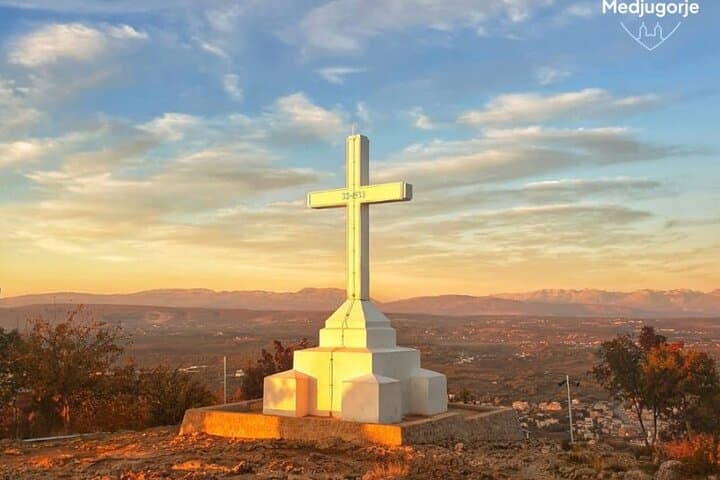
Morning light hits the limestone roofs of Međugorje and the day opens with the hush of pilgrims moving toward Apparition Hill. The climb is deliberate—stone steps, scrubby pines, and moments of quiet that set the tone for a day that shifts between spiritual reflection and raw karst beauty.
Morning light hits the limestone roofs of Međugorje and the day opens with the hush of pilgrims moving toward Apparition Hill. The climb is deliberate—stone steps, scrubby pines, and moments of quiet that set the tone for a day that shifts between spiritual reflection and raw karst beauty.
Medjugorje rose to global attention after reported Marian apparitions in 1981; today St. James Church anchors the town’s living pilgrimage tradition. Geologically, the region is classic Dinaric karst: the Trebižat River carves through travertine and tufa, culminating in Kravica’s broad curtain—28 meters tall and roughly 120 meters across—where water pools into turquoise basins and dares swimmers to cool off.
Culturally, Herceg Etno Village showcases Herzegovinian stone architecture and local winemaking rooted in Čitluk’s vineyards; shared meals here are as much a lesson in regional identity as they are a culinary stop.
Practical guidance: expect a long day (about 12–13 hours) with vehicle transfers between sites. Wear grippy shoes for uneven trail and river rocks, bring swimwear for Kravica (tickets at the site), and pack a light layer—coastal mornings can be breezy while the waterfall’s mist chills. Photographers should plan for hard light midday; early morning or late afternoon delivers softer contrast and fewer crowds.
This itinerary balances contemplative walks, cultural immersion, and a genuinely refreshing natural swim. Travelers leave with the steadier breath of someone who has walked both a pilgrimage route and a river’s eye-opening edge.