THE ADVENTURE COLLECTIVE® · Independent discovery and booking for outdoor travel

Spend a long, revealing day traveling from Port Said to Cairo’s ancient and medieval highlights: the Giza Plateau, a Nile felucca lunch, Ibn Tulun Mosque, Gayer Anderson Museum and the lively Khan el‑Khalili bazaar. Expect walking on uneven ground, sun exposure, and plenty of cultural depth.
Spend a long, revealing day traveling from Port Said to Cairo’s ancient and medieval highlights: the Giza Plateau, a Nile felucca lunch, Ibn Tulun Mosque, Gayer Anderson Museum and the lively Khan el‑Khalili bazaar. Expect walking on uneven ground, sun exposure, and plenty of cultural depth.
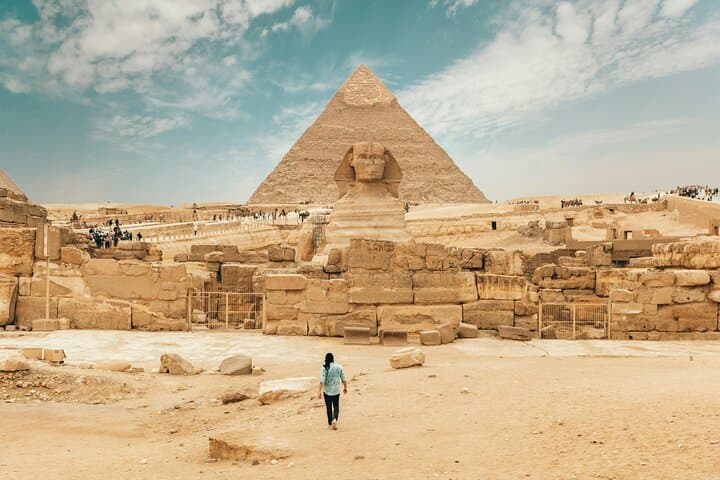
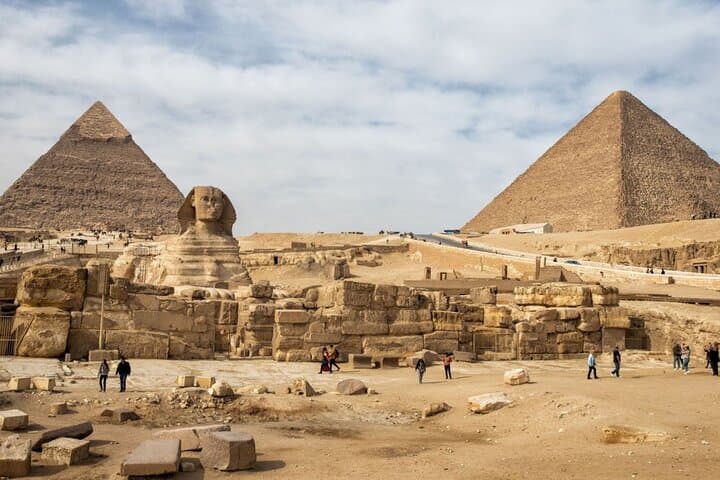
You step from an air‑conditioned vehicle onto a sun-baked plateau and the past presses close: the three great pyramids watch over Cairo like old, immovable rulers. Early light sharpens edges; dust and history hang together in the same breath. Later, the Nile pulls you toward its slow current—its water daring you to slow down and look across a city built on both ancient stone and present bustle.
Verified experiences and guided adventures in the surrounding area.
Operated by NORTH AFRICAN SHIPPING AND TOURISM COMPANY (NASCO TOURS) · Cairo, Giza Governorate
You step from an air‑conditioned vehicle onto a sun-baked plateau and the past presses close: the three great pyramids watch over Cairo like old, immovable rulers. Early light sharpens edges; dust and history hang together in the same breath. Later, the Nile pulls you toward its slow current—its water daring you to slow down and look across a city built on both ancient stone and present bustle.
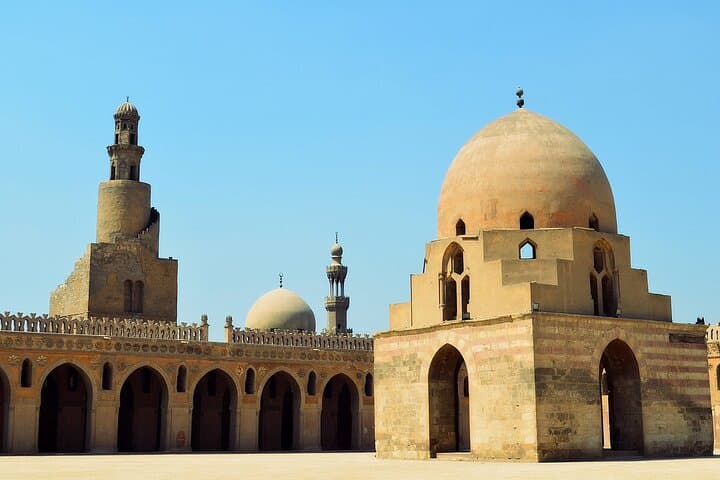
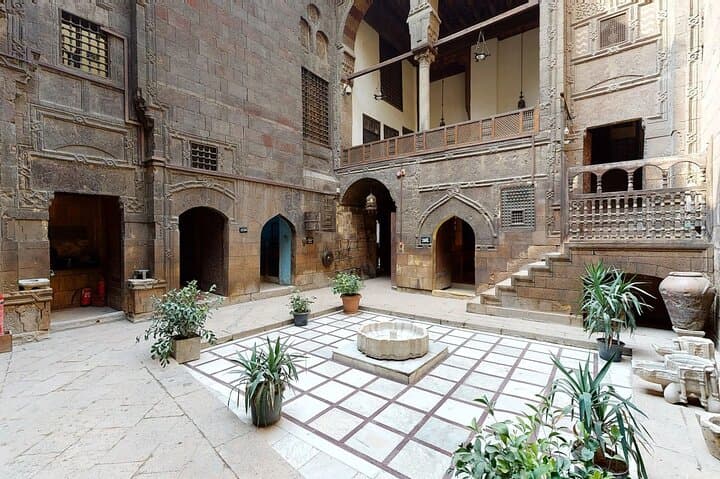
This route threads Giza’s limestone plateau and the Sphinx’s worn profile with Islamic Cairo’s medieval heart: the spiraling minaret of Ibn Tulun (9th century) and the intimate rooms of the Gayer Anderson house, a museum of Ottoman-era interiors and premodern collectibles. Geologically, the pyramids sit on Eocene limestone; centuries of wind and sand have sanded their faces and revealed internal chambers. Culturally, Khan el‑Khalili market carries forward a long commercial lineage—souks that once supplied caravans now hum with souvenir sellers and coffeehouses.
Practical guidance: expect a long, full‑day itinerary (12–13 hours) with several short walks on uneven surfaces and paved streets. Bring sun protection, sturdy walking shoes for the plateau’s grit, and small bills for market bargaining. The felucca segment offers shade and a slower pace—use it to reset before the bazaar. Tour timing matters: mornings at Giza beat the heat and afternoons in Khan el‑Khalili suit browsing when vendors are alert. Keep a photocopy of passport details on hand for city entry points and a light daypack with water and layers—the city’s microclimate can flip from hot and dry to cooler by the river.
moderate.
12–13 hours.
Suitable for travelers with average fitness—long day of walking with short climbs and uneven surfaces; frequent rest breaks recommended.
The tour runs about 13 hours total, including transport time; expect most of the day spent in transit and sightseeing.
Pyramid and museum admissions vary; confirm with the operator—some stops list admission as included while others may require separate tickets.
Yes—infant seats are available on request and the itinerary notes it’s suitable for all physical fitness levels, though the day is long for young children.
Yes—modest clothing is required: long sleeves and pants or a long skirt; women should bring a headscarf for Ibn Tulun.
The route links Old Kingdom monumental funerary complexes on the Giza Plateau with medieval Islamic Cairo; Ibn Tulun dates to the 9th century, while Khan el‑Khalili grew from a Mamluk-era commercial quarter.
Visitor pressure at the pyramids requires staying on designated paths to prevent erosion; support local conservation by using licensed guides and avoiding plastic waste.
NORTH AFRICAN SHIPPING AND TOURISM COMPANY (NASCO TOURS) operates guided outdoor trips and adventures with an emphasis on safety, stewardship, and memorable experiences.
You step from an air‑conditioned vehicle onto a sun-baked plateau and the past presses close: the three great pyramids watch over Cairo like old, immovable rulers. Early light sharpens edges; dust and history hang together in the same breath. Later, the Nile pulls you toward its slow current—its water daring you to slow down and look across a city built on both ancient stone and present bustle.
You step from an air‑conditioned vehicle onto a sun-baked plateau and the past presses close: the three great pyramids watch over Cairo like old, immovable rulers. Early light sharpens edges; dust and history hang together in the same breath. Later, the Nile pulls you toward its slow current—its water daring you to slow down and look across a city built on both ancient stone and present bustle.
This route threads Giza’s limestone plateau and the Sphinx’s worn profile with Islamic Cairo’s medieval heart: the spiraling minaret of Ibn Tulun (9th century) and the intimate rooms of the Gayer Anderson house, a museum of Ottoman-era interiors and premodern collectibles. Geologically, the pyramids sit on Eocene limestone; centuries of wind and sand have sanded their faces and revealed internal chambers. Culturally, Khan el‑Khalili market carries forward a long commercial lineage—souks that once supplied caravans now hum with souvenir sellers and coffeehouses.
Practical guidance: expect a long, full‑day itinerary (12–13 hours) with several short walks on uneven surfaces and paved streets. Bring sun protection, sturdy walking shoes for the plateau’s grit, and small bills for market bargaining. The felucca segment offers shade and a slower pace—use it to reset before the bazaar. Tour timing matters: mornings at Giza beat the heat and afternoons in Khan el‑Khalili suit browsing when vendors are alert. Keep a photocopy of passport details on hand for city entry points and a light daypack with water and layers—the city’s microclimate can flip from hot and dry to cooler by the river.