THE ADVENTURE COLLECTIVE® · Independent discovery and booking for outdoor travel

Climb the Acropolis at Ek Balam, swim in the turquoise cavern of Cenote Hubiku, and end the day wandering Valladolid’s colonial streets. This full-day route combines ruins, a sacred cenote, and authentic village encounters for a compact taste of the Yucatán.
Climb the Acropolis at Ek Balam, swim in the turquoise cavern of Cenote Hubiku, and end the day wandering Valladolid’s colonial streets. This full-day route combines ruins, a sacred cenote, and authentic village encounters for a compact taste of the Yucatán.
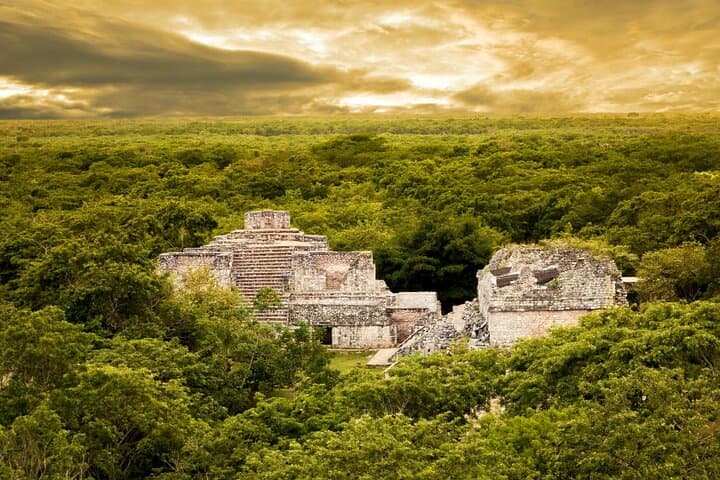
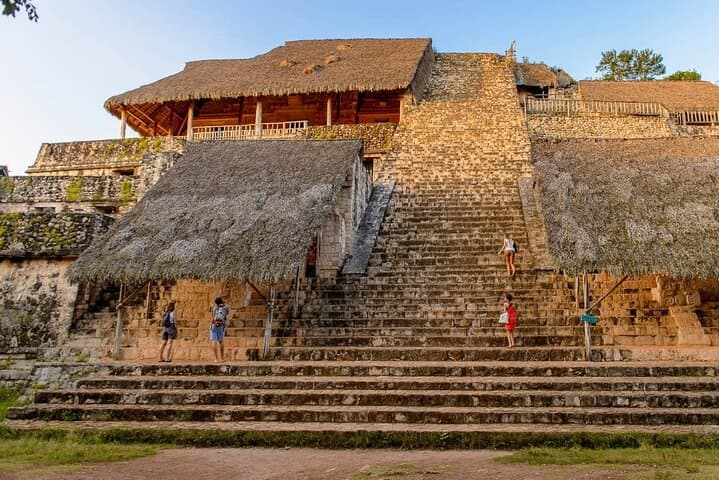
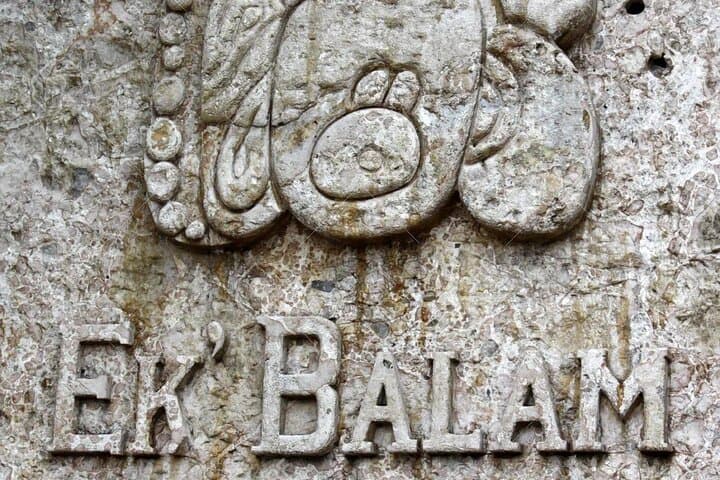
The morning light hits the limestone steps as travelers gather at Ek Balam, where the Acropolis rises above a ring of green and throws long shadows across carved stucco faces.
Verified experiences and guided adventures in the surrounding area.
Operated by Exclusive Agency Tours · Valladolid, Yucatán
The morning light hits the limestone steps as travelers gather at Ek Balam, where the Acropolis rises above a ring of green and throws long shadows across carved stucco faces.
Built by the Maya and left largely intact, Ek Balam offers a rare moment to climb a major pyramid and look out over jungle that swallows villages and cenotes alike. The site’s stucco reliefs and vaulted chambers give a clear sense of late-classic Maya ceremonial life; the limestone here tells a quieter geological story of coral reef uplift and karst erosion that created the Yucatán’s underground rivers.
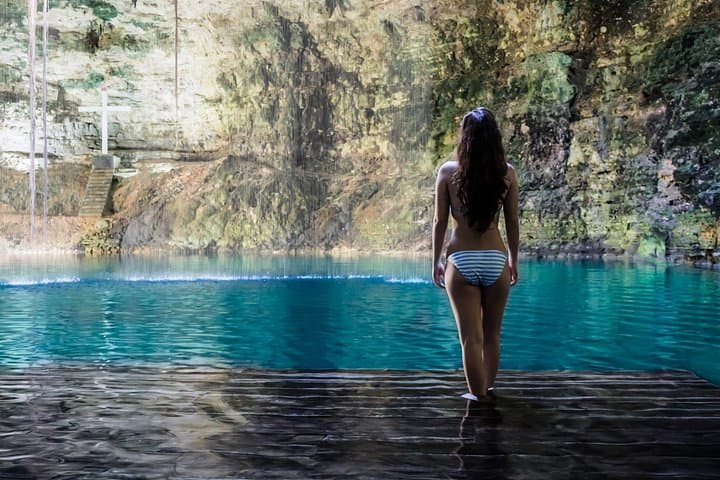
After the ruins, the trip moves to Cenote Hubiku, a semi-open sinkhole whose turquoise water invites a cool swim beneath a high, pitted roof. Nearby, a small Mayan village preserves everyday traditions—local crafts, language threads, and a regional lunch that foregrounds corn, citrus, and spiced pork.
The final act is Valladolid, a colonial grid of shaded streets and the San Servacio church where stone, history and daily market life meet. Visitors can browse artisans, sample marquesitas, and watch the plaza life unfold.
Practical guidance: arrive early to avoid midday crowds and heat; bring swimwear and a towel for the cenote; expect uneven stone steps and some climbing at Ek Balam; carry cash for small purchases. The full-day excursion includes round-trip transport, a bilingual guide, lunch and water—so plan for sun protection, quick-dry clothing, and a light daypack. With moderate walking and stair climbing, this loop balances history, geology and nature in one rigorous, accessible day.
moderate.
10 hours.
Light to moderate fitness—comfortable walking, short climbs and stair ascent required
Yes—Hubiku is a semi-open cenote where swimming is allowed; bring swimwear and follow guide instructions for safety.
Expect moderate walking across archaeological terraces and a climb up steep stone steps to the Acropolis; good mobility is recommended.
Yes—the tour includes round-trip air-conditioned transport and a regional lunch buffet, plus bottled water at the ruins.
The tour is generally suitable for most ages, but those with spinal, heart, or pregnancy restrictions are advised not to participate due to climbing and mobility demands.
Ek Balam flourished in the Late Classic period; its stucco reliefs and tombs reflect a regional power distinct from nearby Chichén Itzá.
Cenotes are fragile freshwater systems—use biodegradable sunscreen, avoid disturbing rock formations, and support local guides and community-run sites.
Exclusive Agency Tours operates guided outdoor trips and adventures with an emphasis on safety, stewardship, and memorable experiences.
The morning light hits the limestone steps as travelers gather at Ek Balam, where the Acropolis rises above a ring of green and throws long shadows across carved stucco faces.
The morning light hits the limestone steps as travelers gather at Ek Balam, where the Acropolis rises above a ring of green and throws long shadows across carved stucco faces.
Built by the Maya and left largely intact, Ek Balam offers a rare moment to climb a major pyramid and look out over jungle that swallows villages and cenotes alike. The site’s stucco reliefs and vaulted chambers give a clear sense of late-classic Maya ceremonial life; the limestone here tells a quieter geological story of coral reef uplift and karst erosion that created the Yucatán’s underground rivers.
After the ruins, the trip moves to Cenote Hubiku, a semi-open sinkhole whose turquoise water invites a cool swim beneath a high, pitted roof. Nearby, a small Mayan village preserves everyday traditions—local crafts, language threads, and a regional lunch that foregrounds corn, citrus, and spiced pork.
The final act is Valladolid, a colonial grid of shaded streets and the San Servacio church where stone, history and daily market life meet. Visitors can browse artisans, sample marquesitas, and watch the plaza life unfold.
Practical guidance: arrive early to avoid midday crowds and heat; bring swimwear and a towel for the cenote; expect uneven stone steps and some climbing at Ek Balam; carry cash for small purchases. The full-day excursion includes round-trip transport, a bilingual guide, lunch and water—so plan for sun protection, quick-dry clothing, and a light daypack. With moderate walking and stair climbing, this loop balances history, geology and nature in one rigorous, accessible day.