THE ADVENTURE COLLECTIVE® · Independent discovery and booking for outdoor travel

Drive two hours east of Anchorage to stand on the largest road-accessible glacier in Alaska. This full-day small-group excursion guides you across 2–3 miles of blue ice with microspikes, wildlife sightings en route, and stories of the land’s Athabaskan history.
Drive two hours east of Anchorage to stand on the largest road-accessible glacier in Alaska. This full-day small-group excursion guides you across 2–3 miles of blue ice with microspikes, wildlife sightings en route, and stories of the land’s Athabaskan history.
You step off the van into an air that feels cut and clean, like someone has rinsed the world with winter. The terminus of Matanuska Glacier sits before you: an expanse of blue and white ice that reaches down from the Chugach range, veins and crevasses catching the light. The guide fits microspikes to your boots, says a few practical things about rope lines and footing, and you begin—two hours on the glacier, roughly 2–3 miles across relatively level ice, where each step sounds like a small polite protest from the mountain.
Verified experiences and guided adventures in the surrounding area.
Operated by Alaska Adventure Guides · Palmer, Alaska
You step off the van into an air that feels cut and clean, like someone has rinsed the world with winter. The terminus of Matanuska Glacier sits before you: an expanse of blue and white ice that reaches down from the Chugach range, veins and crevasses catching the light. The guide fits microspikes to your boots, says a few practical things about rope lines and footing, and you begin—two hours on the glacier, roughly 2–3 miles across relatively level ice, where each step sounds like a small polite protest from the mountain.
Geology shows in slow motion here. Matanuska is a classic valley glacier carved into the Chugach Mountains; its face and medial moraines display a lifelong argument between accumulation and melt. The ice is layered, compressed snow turned glassy; deeper blues signal denser, older ice. From the road the glacier looks placid, but close up it is a living landscape, moving inches a day, cracking into seracs and flushing meltwater down hidden runs.
The human story is quieter but no less important. The Chickaloon area—home to Ahtna and Dena’ina Athabaskan people—has long read and used this landscape for travel and subsistence. On the drive up the Glenn Highway the guide points out small communities, churches, and places to refuel, and may reference local stories that map people onto place.
Practicality rules the morning: the trip departs from Anchorage (about two hours each way), with a halfway stop for coffee and restrooms. Microspikes are provided, bottled water included, and guides take photos for you. The glacier hike itself is moderate—little elevation change but uneven, icy ground that demands focus. Expect about 2–2.5 hours on the ice with time to explore safe channels and crevasse edges under guided supervision.
Wildlife is a possibility along the route—moose, eagles, foxes, even black bears in the summer—so eyes are as important as boots. Weather shifts fast: sun one moment, wind and drizzle the next; dressing in layers is non-negotiable. The operator notes travelers should have moderate fitness and no serious heart conditions.
If you want clean, cinematic photos, aim for early light on the ice or soft late-afternoon shadow (the drive timing affects this). For a quieter experience, midweek departures reduce crowding at the glacier face. Above all, respect the ice: follow your guide’s route, keep a steady pace, and treat the glacier like a moving, weathered creature—beautiful, fragile, and changing fast as the climate warms.
moderate.
8 hours.
You should be in reasonably good shape for 2–3 miles on uneven icy terrain and several hours of standing and walking; able to hike at a steady, cautious pace.
The drive is about two hours each way along the Glenn Highway with a midway stop for restrooms and coffee.
Yes—microspikes for traction while on the glacier are provided by the operator.
Expect approximately 2 to 2.5 hours of guided time on the glacier, covering about 2–3 miles.
Children with moderate fitness can join, but the tour requires careful footing on ice—check age restrictions with the operator and notify of any special needs.
Layered clothing, waterproof shell, insulating mid-layer, and sturdy waterproof boots are recommended; bring gloves and a hat.
Small daypacks are fine; tripods are allowed but can be awkward on ice—stabilize them on solid ground and follow guide instructions.
The area around Matanuska has long been used by Ahtna and Dena'ina Athabaskan peoples; modern routes follow travel corridors that indigenous communities have known for generations.
Matanuska is retreating like many Alaskan glaciers; guides emphasize staying on designated routes, packing out waste, and minimizing footprint to protect fragile glacial and alpine habitats.
Alaska Adventure Guides operates guided outdoor trips and adventures with an emphasis on safety, stewardship, and memorable experiences.
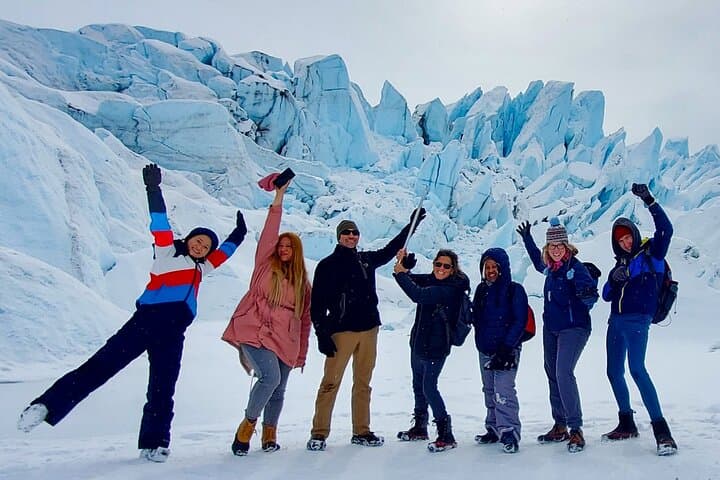
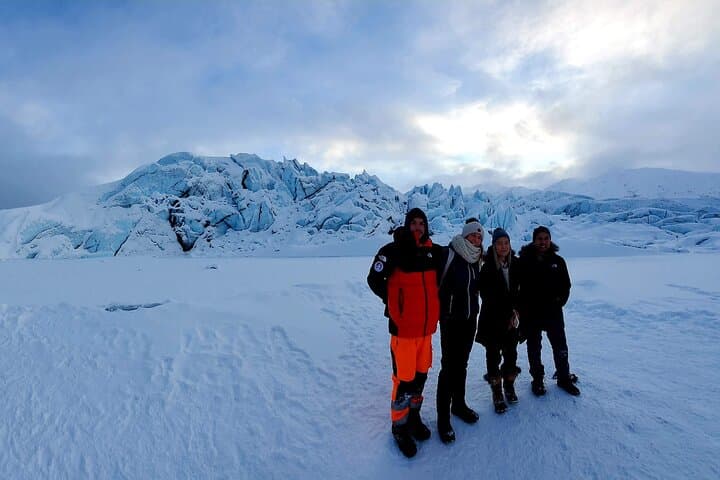
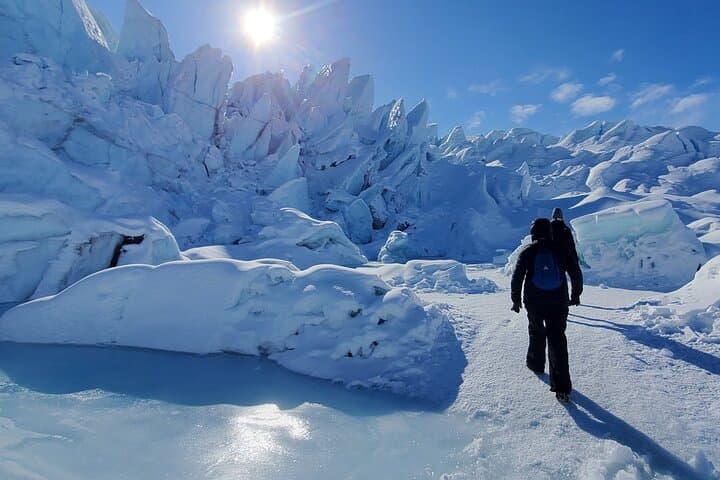
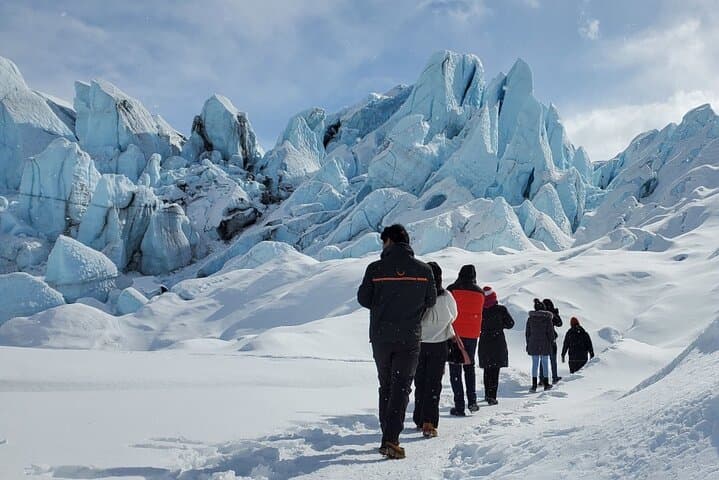
You step off the van into an air that feels cut and clean, like someone has rinsed the world with winter. The terminus of Matanuska Glacier sits before you: an expanse of blue and white ice that reaches down from the Chugach range, veins and crevasses catching the light. The guide fits microspikes to your boots, says a few practical things about rope lines and footing, and you begin—two hours on the glacier, roughly 2–3 miles across relatively level ice, where each step sounds like a small polite protest from the mountain.
You step off the van into an air that feels cut and clean, like someone has rinsed the world with winter. The terminus of Matanuska Glacier sits before you: an expanse of blue and white ice that reaches down from the Chugach range, veins and crevasses catching the light. The guide fits microspikes to your boots, says a few practical things about rope lines and footing, and you begin—two hours on the glacier, roughly 2–3 miles across relatively level ice, where each step sounds like a small polite protest from the mountain.
Geology shows in slow motion here. Matanuska is a classic valley glacier carved into the Chugach Mountains; its face and medial moraines display a lifelong argument between accumulation and melt. The ice is layered, compressed snow turned glassy; deeper blues signal denser, older ice. From the road the glacier looks placid, but close up it is a living landscape, moving inches a day, cracking into seracs and flushing meltwater down hidden runs.
The human story is quieter but no less important. The Chickaloon area—home to Ahtna and Dena’ina Athabaskan people—has long read and used this landscape for travel and subsistence. On the drive up the Glenn Highway the guide points out small communities, churches, and places to refuel, and may reference local stories that map people onto place.
Practicality rules the morning: the trip departs from Anchorage (about two hours each way), with a halfway stop for coffee and restrooms. Microspikes are provided, bottled water included, and guides take photos for you. The glacier hike itself is moderate—little elevation change but uneven, icy ground that demands focus. Expect about 2–2.5 hours on the ice with time to explore safe channels and crevasse edges under guided supervision.
Wildlife is a possibility along the route—moose, eagles, foxes, even black bears in the summer—so eyes are as important as boots. Weather shifts fast: sun one moment, wind and drizzle the next; dressing in layers is non-negotiable. The operator notes travelers should have moderate fitness and no serious heart conditions.
If you want clean, cinematic photos, aim for early light on the ice or soft late-afternoon shadow (the drive timing affects this). For a quieter experience, midweek departures reduce crowding at the glacier face. Above all, respect the ice: follow your guide’s route, keep a steady pace, and treat the glacier like a moving, weathered creature—beautiful, fragile, and changing fast as the climate warms.