THE ADVENTURE COLLECTIVE® · Independent discovery and booking for outdoor travel

Spend a full day from Tel Aviv exploring Masada’s ancient fortress, hiking through Ein Gedi’s desert oasis, and floating in the mineral-rich waters of the Dead Sea. Combine short hikes, historical sites and a uniquely buoyant swim in one practical itinerary.
Spend a full day from Tel Aviv exploring Masada’s ancient fortress, hiking through Ein Gedi’s desert oasis, and floating in the mineral-rich waters of the Dead Sea. Combine short hikes, historical sites and a uniquely buoyant swim in one practical itinerary.
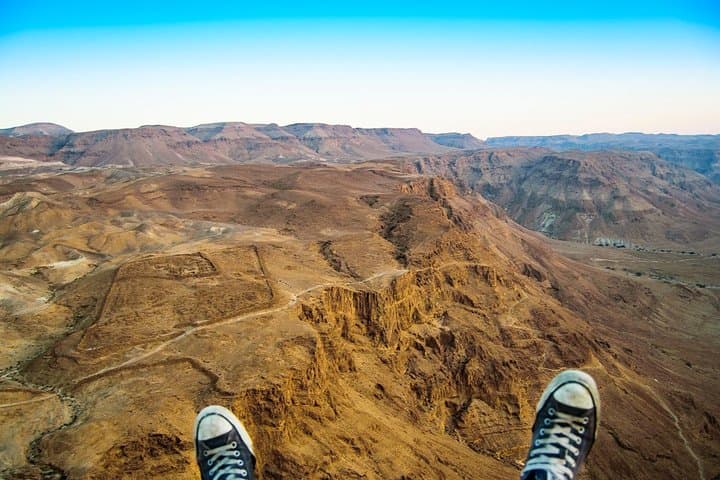
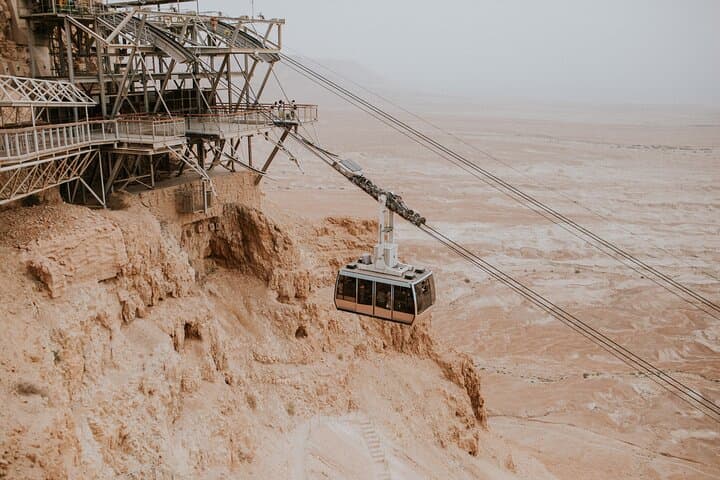
The sun hits the Judean cliffs like a slow drumbeat as the road slips away from the Mediterranean plain and into the desert’s open throat. Visitors reach Masada first — a rocky plateau that rises from the Dead Sea’s pale mirror — where a cable car or a brisk climb puts travelers at an ancient fortress looking out toward Jordan’s red-brown ridges.
Verified experiences and guided adventures in the surrounding area.
Operated by Abraham Tlalim Tours LTD · Masada, Jerusalem District
The sun hits the Judean cliffs like a slow drumbeat as the road slips away from the Mediterranean plain and into the desert’s open throat. Visitors reach Masada first — a rocky plateau that rises from the Dead Sea’s pale mirror — where a cable car or a brisk climb puts travelers at an ancient fortress looking out toward Jordan’s red-brown ridges.
Masada’s ruins speak to Herodian engineering and a dramatic siege in the first century CE; the stone terraces, walls and bathhouses show how people carved life from arid rock. Geologically, the Dead Sea basin is the lowest exposed point on Earth, a hypersaline sink fed by a thirsty Jordan River that once wandered more freely. Ein Gedi, traditionally an oasis, used to offer shaded springs and waterfalls where desert plants defiantly find water.
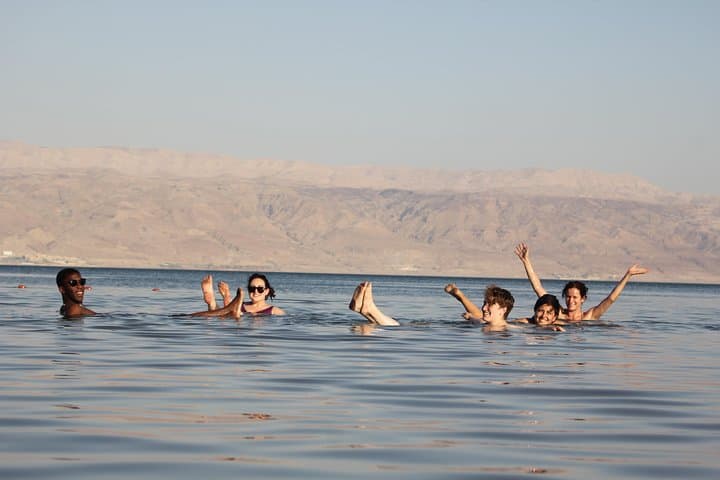
Expect a mix of short hikes over rocky trails, archaeological viewing, and a peculiar, buoyant dip in heavy, mineral-rich water that pins you to the surface while leaving a fine salt crust. Cultural touches — local guides, vendors selling Dead Sea mud, and historic place names — ground the trip in regional heritage.
Practical note: heat rules here; time hikes for morning shade, carry ample water, and wear closed-toe shoes for uneven terrain. The Ein Gedi reserve periodically closes for maintenance or flood repairs — ask before you go. Bring swimwear, a hat, biodegradable sunscreen, and a towel; rinse fresh water after floating. The day is long but straightforward: hike, learn, float, and return with desert dust in your boots and a clearer sense of the landscape’s harsh beauty.
moderate.
8–12 hours.
Moderate fitness recommended — short steep sections and uneven trails; be comfortable walking on rocky ground and managing heat.
This is a full-day excursion (typically 8–12 hours) leaving from Tel Aviv that includes stops at Masada, Ein Gedi (or an alternative if closed), and a Dead Sea beach for floating.
Yes — the Snake Path is a popular steep trail to the summit; allow extra time and start very early to avoid heat.
You can float safely, but the water is extremely saline — avoid swallowing it, keep it out of eyes and open cuts, and rinse off with fresh water afterward.
Dead Sea beach entrance is included per the tour listing; Masada and reserve admissions vary—confirm at booking.
Masada was the site of Herod’s small desert palace and a Roman siege in 73–74 CE; Ein Gedi has been a continuous oasis and agricultural site since antiquity.
Water diversion and mineral extraction have lowered the Dead Sea’s level; visitors should use marked paths, avoid collecting geological specimens, and choose operators that support local conservation efforts.
Abraham Tlalim Tours LTD operates guided outdoor trips and adventures with an emphasis on safety, stewardship, and memorable experiences.

The sun hits the Judean cliffs like a slow drumbeat as the road slips away from the Mediterranean plain and into the desert’s open throat. Visitors reach Masada first — a rocky plateau that rises from the Dead Sea’s pale mirror — where a cable car or a brisk climb puts travelers at an ancient fortress looking out toward Jordan’s red-brown ridges.
The sun hits the Judean cliffs like a slow drumbeat as the road slips away from the Mediterranean plain and into the desert’s open throat. Visitors reach Masada first — a rocky plateau that rises from the Dead Sea’s pale mirror — where a cable car or a brisk climb puts travelers at an ancient fortress looking out toward Jordan’s red-brown ridges.
Masada’s ruins speak to Herodian engineering and a dramatic siege in the first century CE; the stone terraces, walls and bathhouses show how people carved life from arid rock. Geologically, the Dead Sea basin is the lowest exposed point on Earth, a hypersaline sink fed by a thirsty Jordan River that once wandered more freely. Ein Gedi, traditionally an oasis, used to offer shaded springs and waterfalls where desert plants defiantly find water.
Expect a mix of short hikes over rocky trails, archaeological viewing, and a peculiar, buoyant dip in heavy, mineral-rich water that pins you to the surface while leaving a fine salt crust. Cultural touches — local guides, vendors selling Dead Sea mud, and historic place names — ground the trip in regional heritage.
Practical note: heat rules here; time hikes for morning shade, carry ample water, and wear closed-toe shoes for uneven terrain. The Ein Gedi reserve periodically closes for maintenance or flood repairs — ask before you go. Bring swimwear, a hat, biodegradable sunscreen, and a towel; rinse fresh water after floating. The day is long but straightforward: hike, learn, float, and return with desert dust in your boots and a clearer sense of the landscape’s harsh beauty.