THE ADVENTURE COLLECTIVE® · Independent discovery and booking for outdoor travel

See Marrakech’s medina, palaces, and the Palmeraie on a single day from Casablanca. This full-day excursion pairs guided cultural stops with a managed camel ride and practical logistics for a long but accessible outing.
See Marrakech’s medina, palaces, and the Palmeraie on a single day from Casablanca. This full-day excursion pairs guided cultural stops with a managed camel ride and practical logistics for a long but accessible outing.
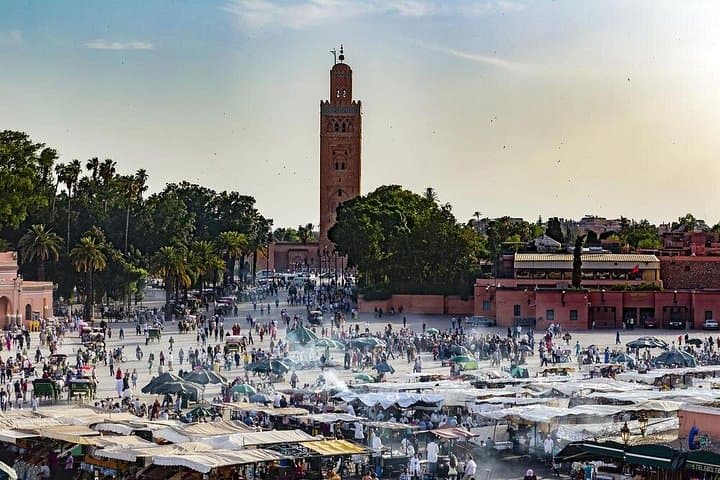
Morning light on the autoroute dissolves Casablanca’s skyline and, hours later, Marrakech rises like a patchwork city on the plains: ochre walls, the minaret of Koutoubia puncturing the sky, and rows of palm trees pushing up from the Palmeraie.
Verified experiences and guided adventures in the surrounding area.
Operated by Morocco Magic Travels · Marrakech, Marrakech-Safi
Morning light on the autoroute dissolves Casablanca’s skyline and, hours later, Marrakech rises like a patchwork city on the plains: ochre walls, the minaret of Koutoubia puncturing the sky, and rows of palm trees pushing up from the Palmeraie.
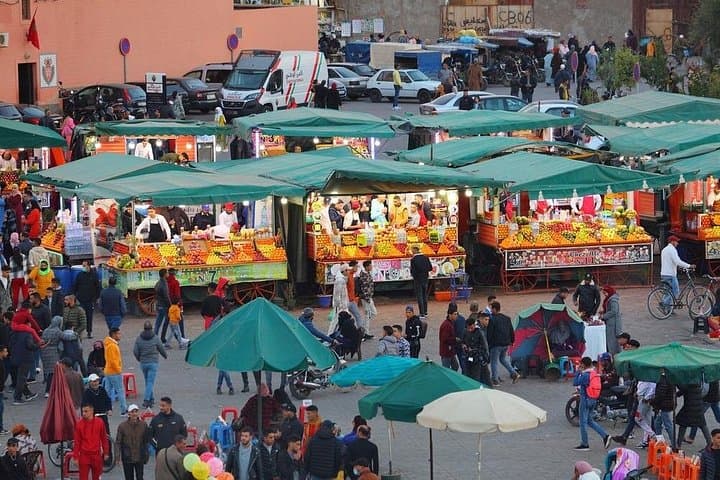
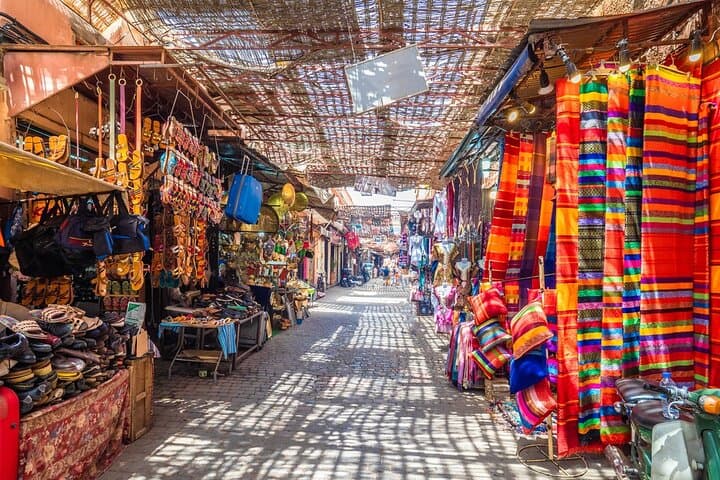
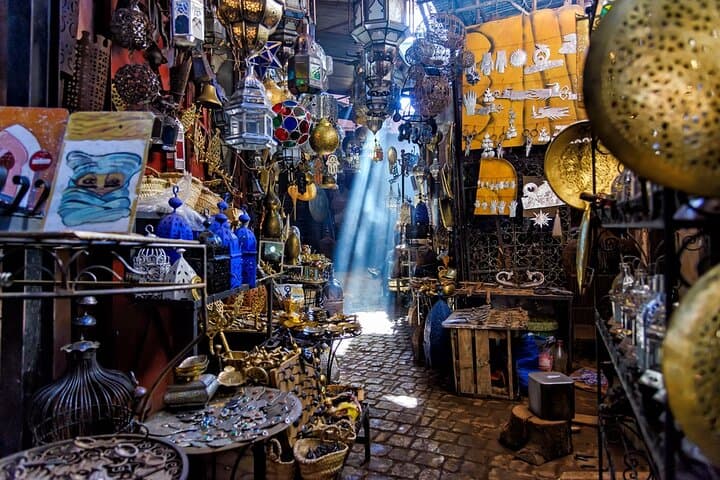
This day trip threads history and living culture—12 hours that move from 19th-century splendor at Bahia Palace to the Saadian Tombs’ tilework and the 12th-century Koutoubia’s Almohad minaret. Geologically, Marrakech sits on a semi-arid plain below the High Atlas; wind funnels across the plain and keeps the palms in the oasis adapting to low rainfall. The medina’s narrow alleys are both marketplace and urban memory, where artisans continue centuries-old trades and Jemaa el-Fna hums with storytellers and food stalls.
Practical guidance is simple: expect 4–6 hours on foot inside the medina over uneven stone and ceramic thresholds, plus a 45-minute camel experience through the Palmeraie. Total travel from Casablanca is about 240 km each way; the full itinerary runs roughly 11–12 hours with hotel pickup and an air-conditioned vehicle. Bring local currency for small purchases, wear closed-toe walking shoes for cobbles and courtyards, and dress respectfully in light layers—heat spikes midday and pockets of shade are brief.
Timing matters: arrive early in the medina to avoid the busiest hours and keep hydration visible—bottled water is included on the tour, but carrying an extra reusable bottle is wise. The camel ride is short and managed by handlers; it’s an accessible way to touch the landscape of Marrakech without deep trekking.
easy.
11–12 hours.
Suitable for travelers in average fitness able to walk 4–6 hours over uneven surfaces and handle a long day of travel.
Expect roughly 2.5–3 hours each way by air-conditioned vehicle, depending on traffic; the full excursion is about 11–12 hours.
The Koutoubia Mosque is viewed from its grounds since non-Muslim entry is restricted; other palaces and museums visited allow guided access as listed.
Yes—this tour’s camel experience is a short, guided loop in the Palmeraie with handlers; inform the operator of mobility needs at booking.
Specific museum admissions (where applicable) are noted in the itinerary; confirm at booking whether a private option covers all entry fees or if any tickets are payable locally.
Marrakech was founded in the 11th century by the Almoravids and became a political and cultural center; landmarks like Koutoubia reflect Almohad architecture and centuries of urban evolution.
Water scarcity shapes urban green spaces like the Palmeraie; choose local operators who support sustainable camel handling and minimize waste in the medina.
Morocco Magic Travels operates guided outdoor trips and adventures with an emphasis on safety, stewardship, and memorable experiences.
Morning light on the autoroute dissolves Casablanca’s skyline and, hours later, Marrakech rises like a patchwork city on the plains: ochre walls, the minaret of Koutoubia puncturing the sky, and rows of palm trees pushing up from the Palmeraie.
Morning light on the autoroute dissolves Casablanca’s skyline and, hours later, Marrakech rises like a patchwork city on the plains: ochre walls, the minaret of Koutoubia puncturing the sky, and rows of palm trees pushing up from the Palmeraie.
This day trip threads history and living culture—12 hours that move from 19th-century splendor at Bahia Palace to the Saadian Tombs’ tilework and the 12th-century Koutoubia’s Almohad minaret. Geologically, Marrakech sits on a semi-arid plain below the High Atlas; wind funnels across the plain and keeps the palms in the oasis adapting to low rainfall. The medina’s narrow alleys are both marketplace and urban memory, where artisans continue centuries-old trades and Jemaa el-Fna hums with storytellers and food stalls.
Practical guidance is simple: expect 4–6 hours on foot inside the medina over uneven stone and ceramic thresholds, plus a 45-minute camel experience through the Palmeraie. Total travel from Casablanca is about 240 km each way; the full itinerary runs roughly 11–12 hours with hotel pickup and an air-conditioned vehicle. Bring local currency for small purchases, wear closed-toe walking shoes for cobbles and courtyards, and dress respectfully in light layers—heat spikes midday and pockets of shade are brief.
Timing matters: arrive early in the medina to avoid the busiest hours and keep hydration visible—bottled water is included on the tour, but carrying an extra reusable bottle is wise. The camel ride is short and managed by handlers; it’s an accessible way to touch the landscape of Marrakech without deep trekking.