THE ADVENTURE COLLECTIVE® · Independent discovery and booking for outdoor travel

A full-day guided circuit from the port through southern Tuscany’s Maremma: hilltop Montemerano, the warm travertine pools of Saturnia, and Pitigliano’s tuff-carved streets, finished with wine and local tastings. Light walking, easy access, and strong cultural-geological appeal.
A full-day guided circuit from the port through southern Tuscany’s Maremma: hilltop Montemerano, the warm travertine pools of Saturnia, and Pitigliano’s tuff-carved streets, finished with wine and local tastings. Light walking, easy access, and strong cultural-geological appeal.
A morning departure from the port dissolves the harbor noise into olive-silver hills and a ribbon of provincial road. The shuttle threads through the lower Maremma—vineyards, cork oaks, and limestone ridges—before stopping in the compact hill villages that hold layers of Etruscan, medieval and Jewish history.
Verified experiences and guided adventures in the surrounding area.
Operated by Myloveitaly Travel&Experiences · Pitigliano, Tuscany
A morning departure from the port dissolves the harbor noise into olive-silver hills and a ribbon of provincial road. The shuttle threads through the lower Maremma—vineyards, cork oaks, and limestone ridges—before stopping in the compact hill villages that hold layers of Etruscan, medieval and Jewish history.
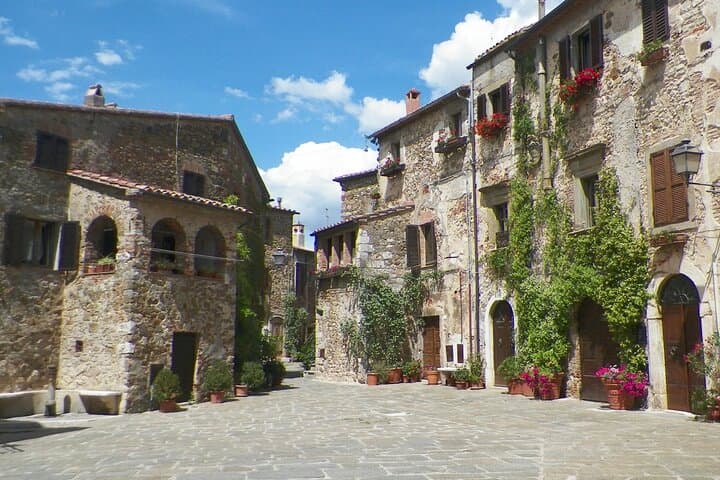
First comes Montemerano, its narrow streets folded against a steep spine of rock. The town’s stone facades and short flights of cobbles reward a brisk walk rather than a long hike: expect stepped alleys and a handful of viewpoints over the surrounding farmland.
Further south, the route meets Saturnia’s thermal waters: the Cascate del Mulino, battlements of travertine where warm sulfurous streams carve natural pools. The water invites a soak; access is usually a short walk from parking across uneven ground and natural terraces rather than formal pathways.
The day closes at Pitigliano—"Little Jerusalem"—a town hewn from tuff, where ancient cellars and a conspicuous Jewish quarter speak to centuries of cultural exchange. Between sips at a family-run cantina and a tasting of local pâtés and pecorino, history and geology merge—the tufa bedrock that shaped settlements also preserves archaeological sites.
Practical notes: this is a full 7–8 hour excursion with mostly roadside transfers and light walking on cobbles and thermal terraces. Bring sturdy shoes, sun protection, and swimwear if you plan to enter the springs. Expect narrow streets, stairs, and uneven surfaces in all three stops. Timing trips to avoid midday crowds at Saturnia improves the experience; carry some cash for small wineries and local vendors.
easy.
7–8 hours.
Suitable for most travelers with basic mobility; involves short walks on cobbles, stairs, and uneven natural surfaces.
No—access to the natural thermal pools is public and free; the tour provides time to visit but not private entrance fees or locker facilities.
The tour includes a wine tasting with appetizers; full lunches are typically not included—bring cash if you plan to buy a meal at a local trattoria.
The tour is family-friendly but involves stairs, cobbles, and some short uneven walks; it may be difficult for guests needing wheelchair access or extensive mobility assistance.
Yes—round-trip pickup and drop-off at the specified port are included; provide your ship and docking details at booking for on-time transfer.
This stretch of southern Tuscany was a strategic Etruscan territory; Pitigliano later became known as 'Little Jerusalem' for its historic Jewish community and preserved synagogues.
Thermal springs are fragile—avoid soaps in pools, follow local access rules, and pack out all trash; responsible visitation helps protect both water quality and fragile tufa formations.
Myloveitaly Travel&Experiences operates guided outdoor trips and adventures with an emphasis on safety, stewardship, and memorable experiences.

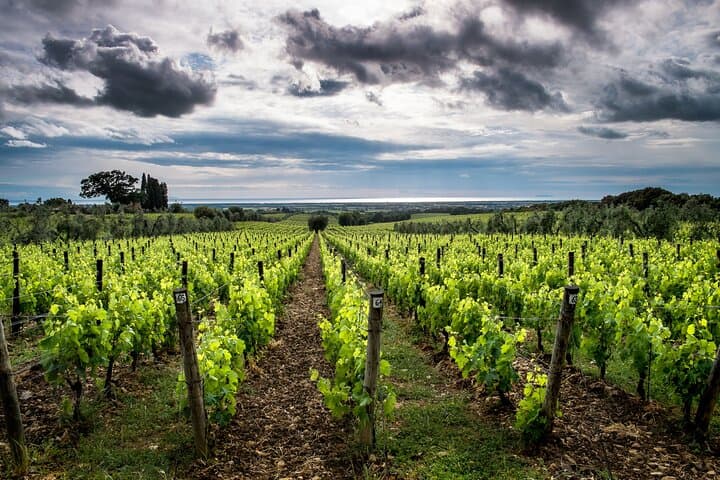

A morning departure from the port dissolves the harbor noise into olive-silver hills and a ribbon of provincial road. The shuttle threads through the lower Maremma—vineyards, cork oaks, and limestone ridges—before stopping in the compact hill villages that hold layers of Etruscan, medieval and Jewish history.
A morning departure from the port dissolves the harbor noise into olive-silver hills and a ribbon of provincial road. The shuttle threads through the lower Maremma—vineyards, cork oaks, and limestone ridges—before stopping in the compact hill villages that hold layers of Etruscan, medieval and Jewish history.
First comes Montemerano, its narrow streets folded against a steep spine of rock. The town’s stone facades and short flights of cobbles reward a brisk walk rather than a long hike: expect stepped alleys and a handful of viewpoints over the surrounding farmland.
Further south, the route meets Saturnia’s thermal waters: the Cascate del Mulino, battlements of travertine where warm sulfurous streams carve natural pools. The water invites a soak; access is usually a short walk from parking across uneven ground and natural terraces rather than formal pathways.
The day closes at Pitigliano—"Little Jerusalem"—a town hewn from tuff, where ancient cellars and a conspicuous Jewish quarter speak to centuries of cultural exchange. Between sips at a family-run cantina and a tasting of local pâtés and pecorino, history and geology merge—the tufa bedrock that shaped settlements also preserves archaeological sites.
Practical notes: this is a full 7–8 hour excursion with mostly roadside transfers and light walking on cobbles and thermal terraces. Bring sturdy shoes, sun protection, and swimwear if you plan to enter the springs. Expect narrow streets, stairs, and uneven surfaces in all three stops. Timing trips to avoid midday crowds at Saturnia improves the experience; carry some cash for small wineries and local vendors.