THE ADVENTURE COLLECTIVE® · Independent discovery and booking for outdoor travel

A full-day Sacred Valley loop that pairs the reflective salt pans of Maras with Moray’s concentric agricultural terraces and the living Inca fortress of Ollantaytambo. Expect varied terrain, high-altitude light, and opportunities to buy local salt and textiles.
A full-day Sacred Valley loop that pairs the reflective salt pans of Maras with Moray’s concentric agricultural terraces and the living Inca fortress of Ollantaytambo. Expect varied terrain, high-altitude light, and opportunities to buy local salt and textiles.
You step off the minibus and the air bites a little—thin, dry, and bright—while terraces curve away like giant amphitheaters carved into the earth. The salt pans at Maras glitter in shallow pools that seem to reflect the sky; at Moray, concentric agricultural circles open like a geological laboratory; and Ollantaytambo rises as a living fortress where stone streets still carry daily market traffic.
Verified experiences and guided adventures in the surrounding area.
Operated by Wayraq Peru · Cusco, Cusco Region
You step off the minibus and the air bites a little—thin, dry, and bright—while terraces curve away like giant amphitheaters carved into the earth. The salt pans at Maras glitter in shallow pools that seem to reflect the sky; at Moray, concentric agricultural circles open like a geological laboratory; and Ollantaytambo rises as a living fortress where stone streets still carry daily market traffic.
These sites map the ingenuity of the Inca and the geology that made cultivation and salt extraction possible. Moray’s stepped bowls were likely experimental plots that took advantage of microclimates created by elevation shifts, while Maras has produced salt since pre-Columbian times by channeling a mineral spring into thousands of shallow pans. Ollantaytambo was both a strategic stronghold and a working town; its terraces and precise masonry speak to sophisticated planning under the Inca state.
Expect a full day of short walks, photo stops, and cultural interaction—local vendors sell hand-harvested salt and textiles. Terrain varies from uneven stone streets and stairs at the fortress to packed dirt paths around Moray and flat, exposed salt pans at Maras. Sun and altitude are constant companions: the landscape pushes you forward with wide vistas and sudden verticals.
Practical guidance: start hydrated, move slowly to manage altitude, wear sturdy shoes for cobbles and stairs, and bring sun protection. Plan for 10 hours including transport; pack small bills for local purchases and support responsible vendors who harvest salt sustainably.
moderate.
10 hours (full day).
Good general fitness for walking on uneven terrain and handling altitude; be comfortable with stairs and short hikes.
The itinerary typically covers transport, guide, and lunch; admission to Moray is often included, but small local fees or permits at Maras and other sites may be paid on arrival—confirm with your operator.
Walks are short but on uneven ground and stone steps—moderate fitness and steady balance are recommended rather than technical hiking ability.
Transport options are wheelchair accessible, but archaeological sites have stairs, terraces, and uneven surfaces that limit full access—check specific accessibility needs with the operator ahead of time.
Yes—Cusco and the Sacred Valley sit above 2,800 m (Cusco ~3,400 m). Allow time to acclimatize, avoid heavy exertion on your first day, and carry water and any medication for altitude symptoms.
Moray’s bowl-like terraces are believed to be Inca agricultural test plots exploiting microclimates; Maras has produced salt since pre-Inca times and sustained local economies for centuries.
The salt pans and terraces are fragile—stay on marked paths, avoid removing salt or stones, and support local conservation by buying salt and crafts from community vendors.
Wayraq Peru operates guided outdoor trips and adventures with an emphasis on safety, stewardship, and memorable experiences.
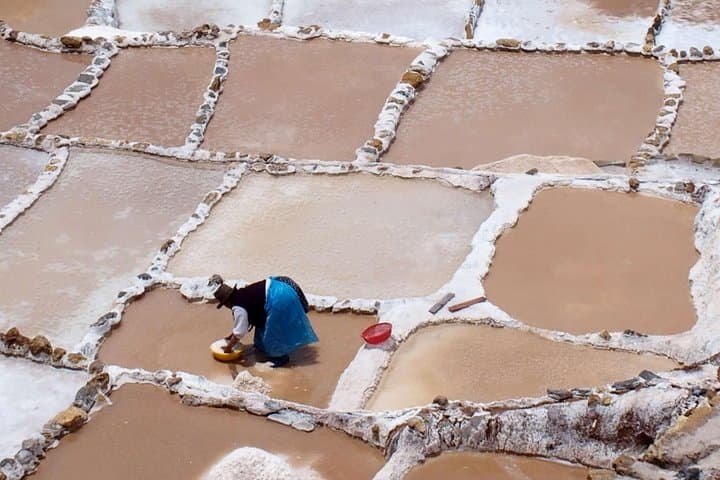
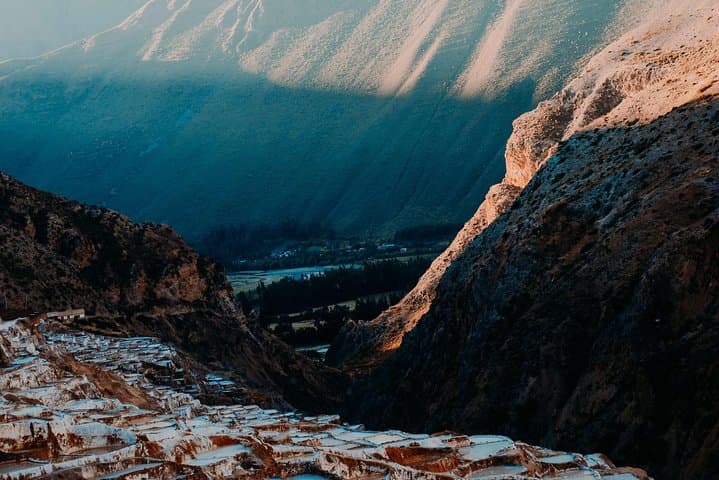
You step off the minibus and the air bites a little—thin, dry, and bright—while terraces curve away like giant amphitheaters carved into the earth. The salt pans at Maras glitter in shallow pools that seem to reflect the sky; at Moray, concentric agricultural circles open like a geological laboratory; and Ollantaytambo rises as a living fortress where stone streets still carry daily market traffic.
You step off the minibus and the air bites a little—thin, dry, and bright—while terraces curve away like giant amphitheaters carved into the earth. The salt pans at Maras glitter in shallow pools that seem to reflect the sky; at Moray, concentric agricultural circles open like a geological laboratory; and Ollantaytambo rises as a living fortress where stone streets still carry daily market traffic.
These sites map the ingenuity of the Inca and the geology that made cultivation and salt extraction possible. Moray’s stepped bowls were likely experimental plots that took advantage of microclimates created by elevation shifts, while Maras has produced salt since pre-Columbian times by channeling a mineral spring into thousands of shallow pans. Ollantaytambo was both a strategic stronghold and a working town; its terraces and precise masonry speak to sophisticated planning under the Inca state.
Expect a full day of short walks, photo stops, and cultural interaction—local vendors sell hand-harvested salt and textiles. Terrain varies from uneven stone streets and stairs at the fortress to packed dirt paths around Moray and flat, exposed salt pans at Maras. Sun and altitude are constant companions: the landscape pushes you forward with wide vistas and sudden verticals.
Practical guidance: start hydrated, move slowly to manage altitude, wear sturdy shoes for cobbles and stairs, and bring sun protection. Plan for 10 hours including transport; pack small bills for local purchases and support responsible vendors who harvest salt sustainably.