THE ADVENTURE COLLECTIVE® · Independent discovery and booking for outdoor travel

A one-day guided hike on Kilimanjaro’s Marangu route climbs to Mandara Hut, offering high-altitude views and cloud-forest terrain without the multi-day commitment. Expect steady climbs, rich montane ecology, and a practical test of fitness for longer expeditions.
A one-day guided hike on Kilimanjaro’s Marangu route climbs to Mandara Hut, offering high-altitude views and cloud-forest terrain without the multi-day commitment. Expect steady climbs, rich montane ecology, and a practical test of fitness for longer expeditions.
Morning air on Kilimanjaro has a precise chill—thin, clean, and bright—when the group departs Arusha and eases into the highland coffee farms.
Verified experiences and guided adventures in the surrounding area.
Operated by Januz Safaris · Arusha, Arusha Region
Morning air on Kilimanjaro has a precise chill—thin, clean, and bright—when the group departs Arusha and eases into the highland coffee farms.
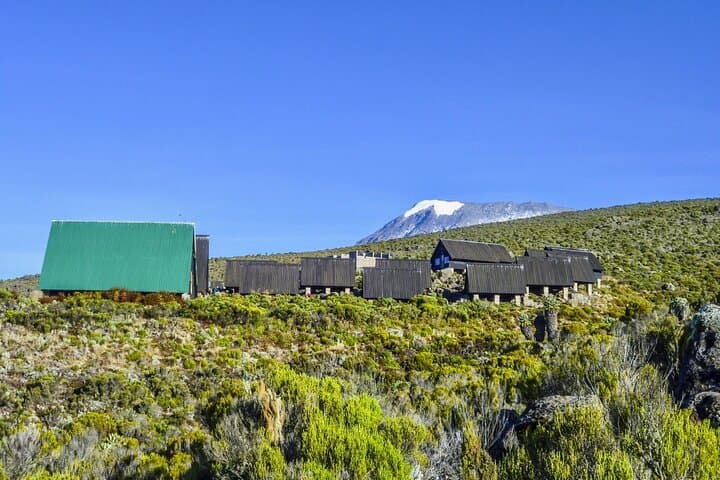
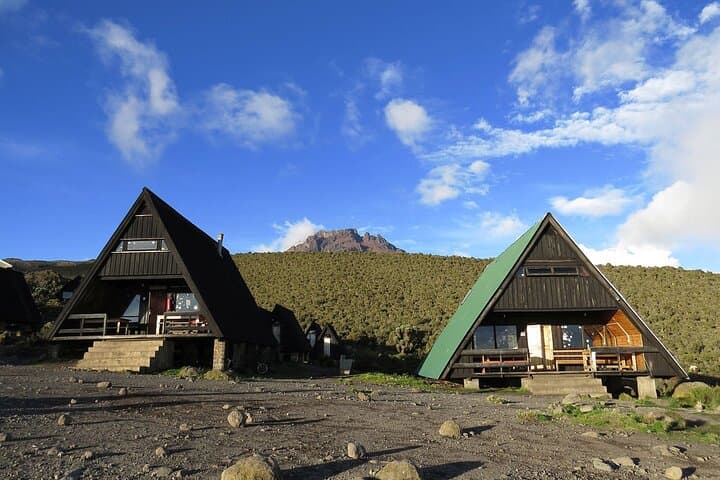
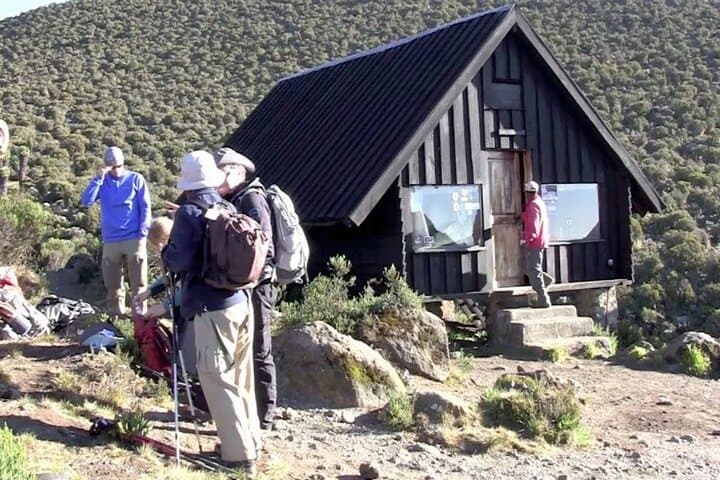
By mid-morning the road gives way to the Marangu gate and the trail climbs into a moss-dark forest. Guides set a steady pace: four hours of upward switchbacks through fern and giant groundsel to reach Mandara Hut. The route gains roughly 800–900 meters in elevation, moving from montane farmland into cloud forest where colobus monkeys call and the trail’s damp soil smells of loam and bryophyte.
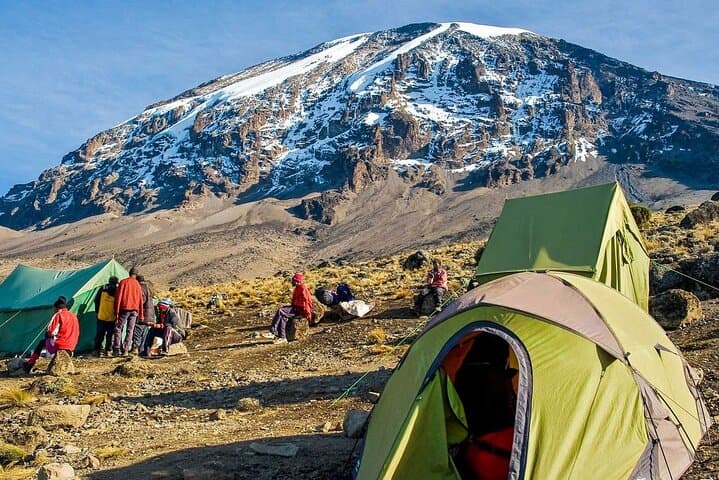
Kilimanjaro’s slopes are volcanic: the mountain is a dormant stratovolcano capped by three cones — Kibo, Mawenzi and Shira — and the Marangu route follows old lava terraces and deep, eroded gullies carved over millennia.
Culturally the area sits within Chagga country; villages on the lower slopes have long managed terraced farms and coffee plots that offset the mountain’s more recent tourism economy.
Practical guidance: expect a full 8–10 hour outing including transport, with about four hours ascent and two to three hours descent. Trail footing ranges from packed dirt to wet roots; hiking poles help on steeper sections. Hydrate early and often—the thin air makes exertion feel harder than altitude alone suggests. Wear layered clothing for frequent temperature swings and bring sun protection for the exposed stretches after tree-line.
This day trek is an efficient way to experience Kilimanjaro’s ecology, test your acclimatization, and enjoy a high-mountain view without committing to a multi-day summit push.
moderate.
8–10 hours.
Moderate fitness—comfortable on sustained uphill hikes and able to manage a multi-hour day with elevation gain.
The full day is roughly 8–10 hours including transfers; ascent to Mandara Hut takes about four hours with approximately 800–900 meters of elevation gain.
It’s accessible to hikers with moderate fitness but not recommended for those with poor cardiovascular health; maintain a steady pace and communicate with guides about your condition.
Typical inclusions are transport from Arusha, professional guide, bottled water, lunch, and park entry per the operator’s details—confirm specifics when booking.
This route reaches mid-altitude but can still cause symptoms; stay hydrated, go slow, and inform guides if you feel unwell—this day hike is also a good acclimatization test for longer climbs.
Kilimanjaro rises on land traditionally inhabited by the Chagga people; European exploration and the first documented ascent by Hans Meyer in 1889 opened the peak to international climbers.
Kilimanjaro National Park manages visitor impact through permits and fees—stick to trails, avoid litter, and use designated facilities to protect fragile alpine flora.
Januz Safaris operates guided outdoor trips and adventures with an emphasis on safety, stewardship, and memorable experiences.
Morning air on Kilimanjaro has a precise chill—thin, clean, and bright—when the group departs Arusha and eases into the highland coffee farms.
Morning air on Kilimanjaro has a precise chill—thin, clean, and bright—when the group departs Arusha and eases into the highland coffee farms.
By mid-morning the road gives way to the Marangu gate and the trail climbs into a moss-dark forest. Guides set a steady pace: four hours of upward switchbacks through fern and giant groundsel to reach Mandara Hut. The route gains roughly 800–900 meters in elevation, moving from montane farmland into cloud forest where colobus monkeys call and the trail’s damp soil smells of loam and bryophyte.
Kilimanjaro’s slopes are volcanic: the mountain is a dormant stratovolcano capped by three cones — Kibo, Mawenzi and Shira — and the Marangu route follows old lava terraces and deep, eroded gullies carved over millennia.
Culturally the area sits within Chagga country; villages on the lower slopes have long managed terraced farms and coffee plots that offset the mountain’s more recent tourism economy.
Practical guidance: expect a full 8–10 hour outing including transport, with about four hours ascent and two to three hours descent. Trail footing ranges from packed dirt to wet roots; hiking poles help on steeper sections. Hydrate early and often—the thin air makes exertion feel harder than altitude alone suggests. Wear layered clothing for frequent temperature swings and bring sun protection for the exposed stretches after tree-line.
This day trek is an efficient way to experience Kilimanjaro’s ecology, test your acclimatization, and enjoy a high-mountain view without committing to a multi-day summit push.