THE ADVENTURE COLLECTIVE® · Independent discovery and booking for outdoor travel

A full-day, door-to-door tour from San José that packs Manuel Antonio’s rainforest trails, beaches and wildlife into one accessible day. Expect guided wildlife spotting, short trail walks and time to swim—everything included for a hassle-free visit.
A full-day, door-to-door tour from San José that packs Manuel Antonio’s rainforest trails, beaches and wildlife into one accessible day. Expect guided wildlife spotting, short trail walks and time to swim—everything included for a hassle-free visit.
You leave San José before dawn, headlights carving through sugarcane shadows as the road drops toward the Pacific. By midmorning the air changes: thicker, salt-sweet, threaded with bird calls and the distant rattle of surf. The guide steers you along coastal roads into the lowland rainforest; a troop of white-faced capuchins treats a roadside fig tree like a lunchtime buffet.
Verified experiences and guided adventures in the surrounding area.
Operated by Guat2do Travel Experiences · Quepos, Puntarenas
You leave San José before dawn, headlights carving through sugarcane shadows as the road drops toward the Pacific. By midmorning the air changes: thicker, salt-sweet, threaded with bird calls and the distant rattle of surf. The guide steers you along coastal roads into the lowland rainforest; a troop of white-faced capuchins treats a roadside fig tree like a lunchtime buffet.
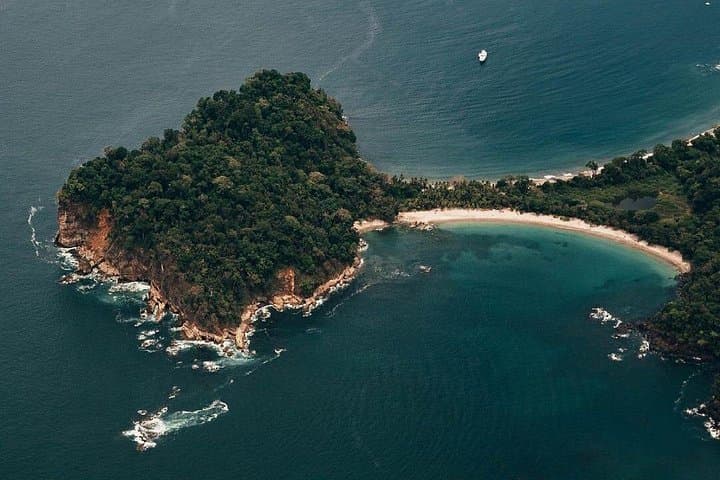
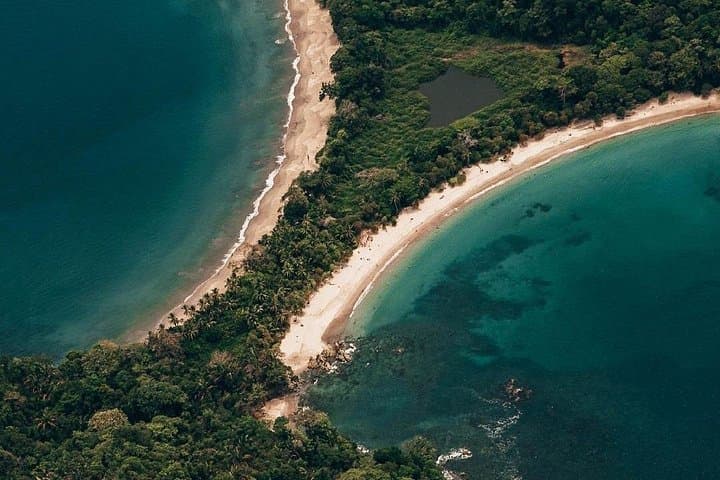
Manuel Antonio National Park, created in the early 1970s, is small in size but outsized in biodiversity. The park’s compact trails cross rocky headlands, short ridgelines and pocket beaches, where mangrove channels meet dark sand. Geologically, the coastline alternates between volcanic outcrops and sedimentary benches carved by tides; culturally, the nearby town of Quepos has long serviced fishermen, farmers and now eco-tourists.
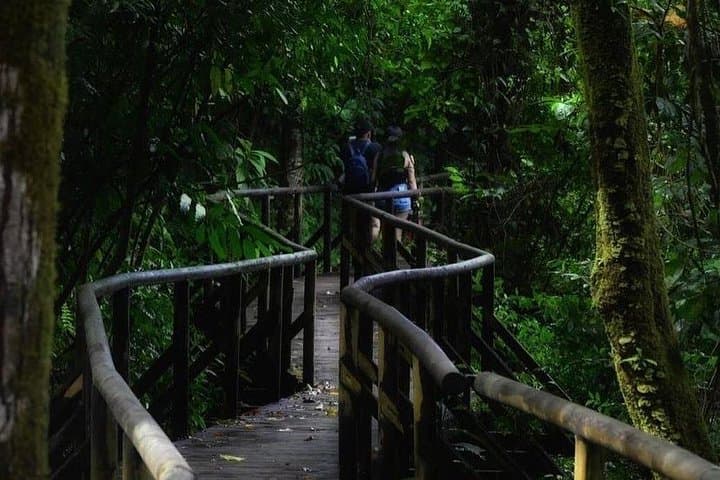
Expect roughly 1–3 km of marked walking at a relaxed pace with modest elevation changes (under 100 m). Wildlife viewing is the draw: sloths lounge in the canopy, iguanas bask on roots, and shorebirds pick tidal pools. Practicalities matter: the park prohibits single-use plastics and enforces wildlife distance—don’t feed animals or leave food in backpacks.
Plan for sun, sudden showers and slippery trail sections. Bring a reusable water bottle, sturdy shoes, lightweight rain shell, and binoculars. Lunch and transport are included on full-day tours from San José, but leave time to wander muted Espadilla Sur beach before the return trip. The rhythm of the day moves between soft trail walking, focused wildlife stops, and a cool, restorative swim—an efficient, immersive introduction to Costa Rica’s Pacific lowlands.
easy.
11–12 hours.
Suitable for most fitness levels; requires standing and walking on uneven trails for several hours and brief beach swims.
Travel time is roughly 2.5–3 hours each way depending on traffic and exact pickup point; the full-day outing runs about 11–12 hours door-to-door.
Guides are skilled at locating wildlife and sightings are common, but animals are wild—there are no guarantees; sightings depend on timing and season.
Yes; trails are short and the pace is easy, but guests should be able to walk uneven ground and climb short steps; inform the operator of mobility needs at booking.
Yes—breakfast, lunch and the Manuel Antonio entrance fee are included in the all-inclusive tour package.
Designated in the early 1970s to protect coastal rainforest and marine shorelines, Manuel Antonio is one of Costa Rica’s earliest national parks and one of its smallest protected areas with high biodiversity.
The park limits visitor numbers on trails and bans single-use plastics; stay on marked paths, pack out waste and avoid feeding or touching wildlife to reduce human impact.
Guat2do Travel Experiences operates guided outdoor trips and adventures with an emphasis on safety, stewardship, and memorable experiences.

You leave San José before dawn, headlights carving through sugarcane shadows as the road drops toward the Pacific. By midmorning the air changes: thicker, salt-sweet, threaded with bird calls and the distant rattle of surf. The guide steers you along coastal roads into the lowland rainforest; a troop of white-faced capuchins treats a roadside fig tree like a lunchtime buffet.
You leave San José before dawn, headlights carving through sugarcane shadows as the road drops toward the Pacific. By midmorning the air changes: thicker, salt-sweet, threaded with bird calls and the distant rattle of surf. The guide steers you along coastal roads into the lowland rainforest; a troop of white-faced capuchins treats a roadside fig tree like a lunchtime buffet.
Manuel Antonio National Park, created in the early 1970s, is small in size but outsized in biodiversity. The park’s compact trails cross rocky headlands, short ridgelines and pocket beaches, where mangrove channels meet dark sand. Geologically, the coastline alternates between volcanic outcrops and sedimentary benches carved by tides; culturally, the nearby town of Quepos has long serviced fishermen, farmers and now eco-tourists.
Expect roughly 1–3 km of marked walking at a relaxed pace with modest elevation changes (under 100 m). Wildlife viewing is the draw: sloths lounge in the canopy, iguanas bask on roots, and shorebirds pick tidal pools. Practicalities matter: the park prohibits single-use plastics and enforces wildlife distance—don’t feed animals or leave food in backpacks.
Plan for sun, sudden showers and slippery trail sections. Bring a reusable water bottle, sturdy shoes, lightweight rain shell, and binoculars. Lunch and transport are included on full-day tours from San José, but leave time to wander muted Espadilla Sur beach before the return trip. The rhythm of the day moves between soft trail walking, focused wildlife stops, and a cool, restorative swim—an efficient, immersive introduction to Costa Rica’s Pacific lowlands.