THE ADVENTURE COLLECTIVE® · Independent discovery and booking for outdoor travel

Head into the estuary outside Guayaquil for a private day navigating mangrove channels, watching bottlenose dolphins, and meeting coastal fishermen. This full-day trip pairs wildlife viewing with local culture and a typical seafood lunch.
Head into the estuary outside Guayaquil for a private day navigating mangrove channels, watching bottlenose dolphins, and meeting coastal fishermen. This full-day trip pairs wildlife viewing with local culture and a typical seafood lunch.
A small skiff slips out of Guayaquil's harbor before dawn, the estuary breathing salty coolness as mangrove trunks loom like watchful guardians. The boat threads narrow channels where roots grip the tide and roseate spoonbills skitter like startled notes on the water. Dolphins arc through sunlit swells, curious and unhurried; the estuary seems to push you forward, offering sightlines and silence in equal measure.
Verified experiences and guided adventures in the surrounding area.
Operated by Yamil Saman Cabrera · Guayaquil, Guayas
A small skiff slips out of Guayaquil's harbor before dawn, the estuary breathing salty coolness as mangrove trunks loom like watchful guardians. The boat threads narrow channels where roots grip the tide and roseate spoonbills skitter like startled notes on the water. Dolphins arc through sunlit swells, curious and unhurried; the estuary seems to push you forward, offering sightlines and silence in equal measure.
This coastline is the product of sediment fed by the Guayas River and sculpted by Pacific tides; mangrove forests here are both nursery and shield, rich in crustaceans and fish that support local communities. The human story is woven alongside: generations of fishermen who read tides and seasons, and small coastal towns where seafood recipes and boat-building knowledge pass from parent to child.
On this private day tour, expect a balance of wildlife viewing and cultural exchange — guided mangrove navigation, shore time, and a typical Ecuadorian seafood lunch with local fishermen. Geology shows in the estuary’s shifting sandbars; biology is on display in herons, pelicans, and playful bottlenose dolphins. Guides with long local experience increase chances of sightings and meaningful conversations with residents.
Practical notes: plan for eight hours, bring sun protection, a good pair of binoculars, and a camera with a zoom lens. Wear non-slip shoes; motion on a small boat can be steady one moment and lively the next. Respect wildlife (no feeding), follow guide instructions during dolphin encounters, and leave no trace — the mangroves are fragile and essential to coastal resilience.
easy.
8 hours.
Suitable for most fitness levels — requires ability to sit for several hours and step on/off a small boat without assistance
The tour lasts about 8 hours and typically includes private transport, a knowledgeable guide, bottled water, snacks, and a seafood lunch; hotel pickup and drop-off are usually provided.
Sightings are common but not guaranteed — experienced guides increase chances by choosing productive channels and timing, but wildlife remains wild.
Yes — the tour is family-friendly and suitable for non-swimmers; children must be accompanied by adults and infant seats can be arranged.
The activity is easy physically but involves boat boarding and some uneven beach walking; it’s not recommended for pregnant travelers and travelers should disclose mobility needs when booking.
Mangrove estuaries here have supported coastal communities for centuries; fishermen’s techniques and small-scale boatbuilding remain cultural staples.
Mangroves are critical carbon sinks and fish nurseries — avoid stepping on roots, don’t litter, and support locally run tours that contribute to conservation efforts.
Yamil Saman Cabrera operates guided outdoor trips and adventures with an emphasis on safety, stewardship, and memorable experiences.
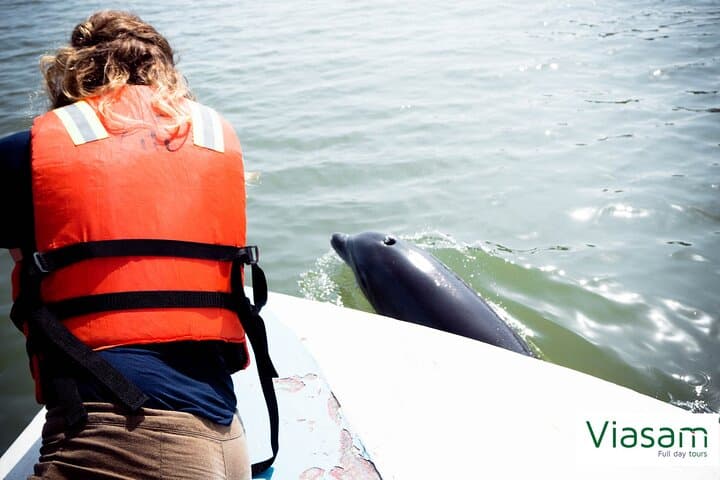
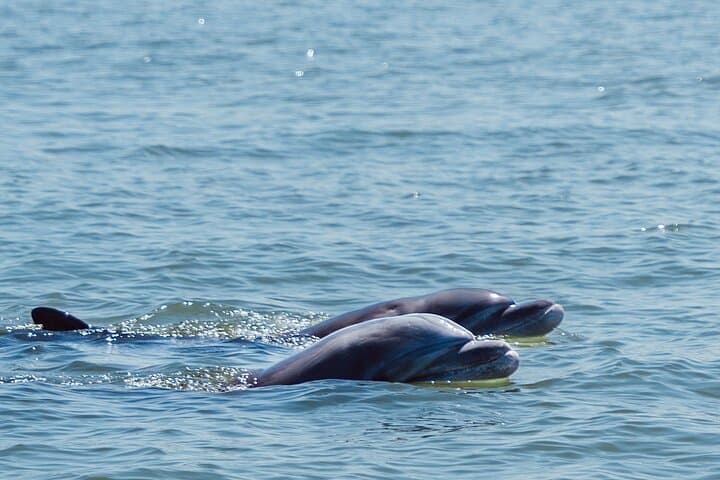
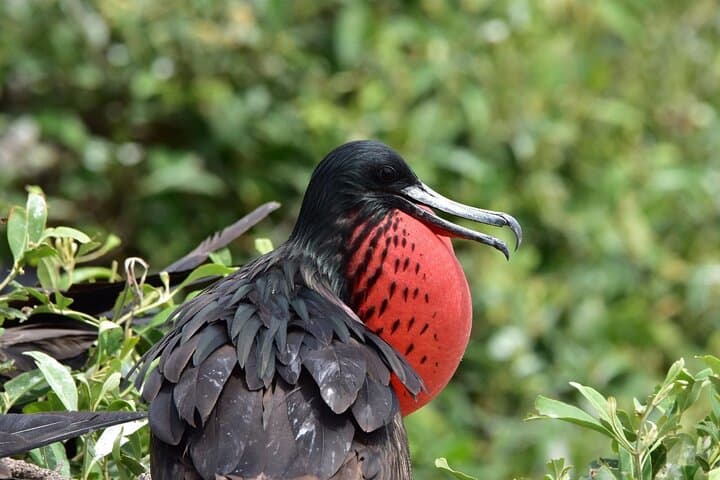
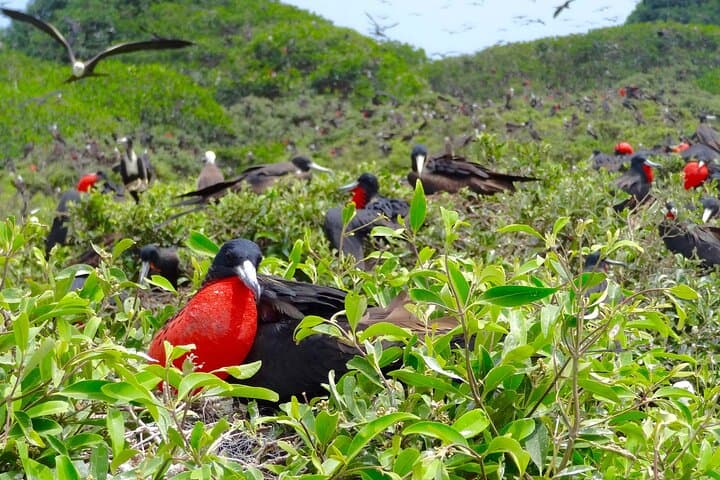
A small skiff slips out of Guayaquil's harbor before dawn, the estuary breathing salty coolness as mangrove trunks loom like watchful guardians. The boat threads narrow channels where roots grip the tide and roseate spoonbills skitter like startled notes on the water. Dolphins arc through sunlit swells, curious and unhurried; the estuary seems to push you forward, offering sightlines and silence in equal measure.
A small skiff slips out of Guayaquil's harbor before dawn, the estuary breathing salty coolness as mangrove trunks loom like watchful guardians. The boat threads narrow channels where roots grip the tide and roseate spoonbills skitter like startled notes on the water. Dolphins arc through sunlit swells, curious and unhurried; the estuary seems to push you forward, offering sightlines and silence in equal measure.
This coastline is the product of sediment fed by the Guayas River and sculpted by Pacific tides; mangrove forests here are both nursery and shield, rich in crustaceans and fish that support local communities. The human story is woven alongside: generations of fishermen who read tides and seasons, and small coastal towns where seafood recipes and boat-building knowledge pass from parent to child.
On this private day tour, expect a balance of wildlife viewing and cultural exchange — guided mangrove navigation, shore time, and a typical Ecuadorian seafood lunch with local fishermen. Geology shows in the estuary’s shifting sandbars; biology is on display in herons, pelicans, and playful bottlenose dolphins. Guides with long local experience increase chances of sightings and meaningful conversations with residents.
Practical notes: plan for eight hours, bring sun protection, a good pair of binoculars, and a camera with a zoom lens. Wear non-slip shoes; motion on a small boat can be steady one moment and lively the next. Respect wildlife (no feeding), follow guide instructions during dolphin encounters, and leave no trace — the mangroves are fragile and essential to coastal resilience.