THE ADVENTURE COLLECTIVE® · Independent discovery and booking for outdoor travel

Cross the coastal desert from Arequipa into Majes Valley to see Toro Muerto’s expansive petroglyph field and the sandstone dinosaur tracks at Querullpa. This private full-day tour combines geology, archaeology and local irrigation culture, with guided walks on uneven terrain.
Cross the coastal desert from Arequipa into Majes Valley to see Toro Muerto’s expansive petroglyph field and the sandstone dinosaur tracks at Querullpa. This private full-day tour combines geology, archaeology and local irrigation culture, with guided walks on uneven terrain.
A wind-scrubbed road unfurls from Arequipa into the coastal desert, and by mid-morning the air changes—drier, sharper—while the Majes River threads green through ochre hills. On this private full-day run you move between two very different kinds of time: the etched lines of Toro Muerto’s petroglyphs and the fossilized imprints at Querullpa.
Verified experiences and guided adventures in the surrounding area.
Operated by VIAJES POR PERU · Arequipa, Arequipa
A wind-scrubbed road unfurls from Arequipa into the coastal desert, and by mid-morning the air changes—drier, sharper—while the Majes River threads green through ochre hills. On this private full-day run you move between two very different kinds of time: the etched lines of Toro Muerto’s petroglyphs and the fossilized imprints at Querullpa.
Toro Muerto’s boulder field is a hard, human-made gallery carved by pre-Inca hands; panels of stylized animals and abstract motifs are etched into volcanic rock that glints in the sun. The geology of the Majes valley—ancient ash flows and sedimentary terraces—has preserved both art and bone, and the dinosaur tracks at Querullpa sit on sandstone beds laid down when this was a river plain millions of years ago.
Culturally, the valley speaks to irrigation ingenuity: channels and terraces still shape productive farmland, and local communities keep oral histories tied to these sites. The guide will interpret iconography, spatial patterns, and why certain motifs recur here.
Practically: expect dusty, uneven walking and strong sun. The itinerary typically includes transport from Arequipa in a tourism vehicle, bilingual guiding, and site entrance. Bring sun protection, layered clothing for morning chill and afternoon heat, and sturdy shoes for rock-hopping and short walks between panels and tracks. Photography is excellent at low light—early or late in the day—while mid-day highlights textures but increases glare. This is a day of wide views and focused details: weathered stone that still tells stories, and footprints that keep time moving forward into a very different present.
easy.
12–16 hours.
Suitable for general fitness; requires short walks on uneven, rocky ground and the ability to step over small ledges.
Transport typically takes about 1–2 hours each way depending on traffic and exact stops; the itinerary is full-day to allow time at both sites.
Yes—walking is short and manageable, but children should be supervised around uneven rock and near panels to avoid damage.
Yes, photography for personal use is allowed; avoid flash on sensitive rock art and do not climb on panels or tracks to get shots.
Most private tours include a bilingual guide (Spanish/English) and entrance to Toro Muerto is commonly included in the tour price; confirm with the operator for Querullpa access details.
The Majes valley preserves traces of pre-Inca societies whose rock art and irrigation works document long histories of agriculture and symbolic expression in a coastal desert landscape.
Sites are fragile—avoid touching or climbing on petroglyph panels and dinosaur slabs; support local guides who follow site-protection practices and use established pathways.
VIAJES POR PERU operates guided outdoor trips and adventures with an emphasis on safety, stewardship, and memorable experiences.
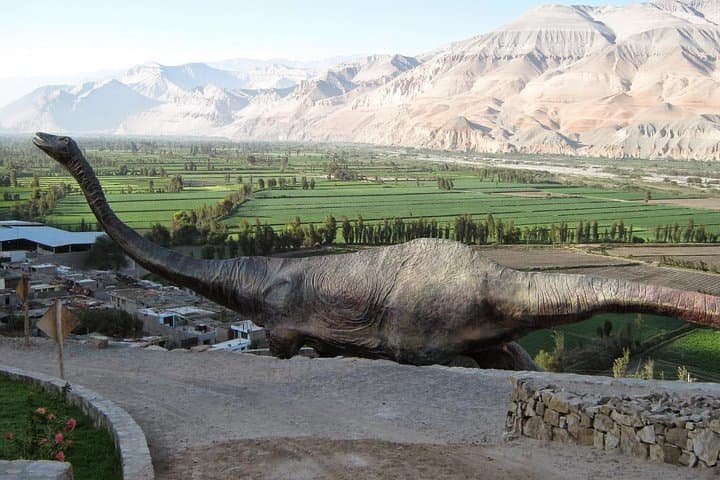
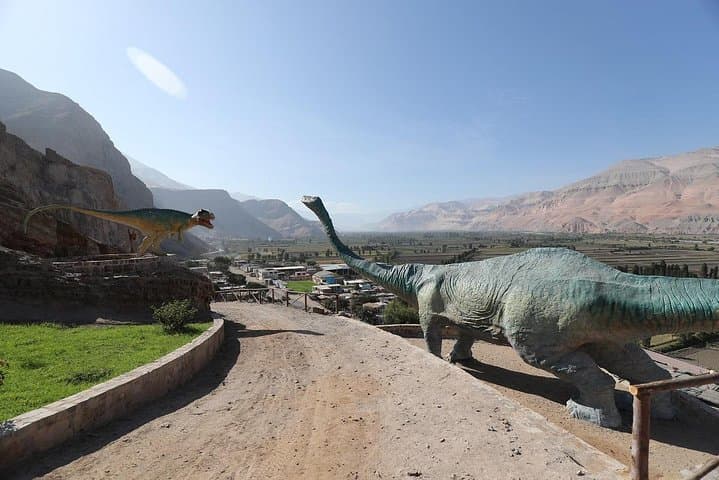
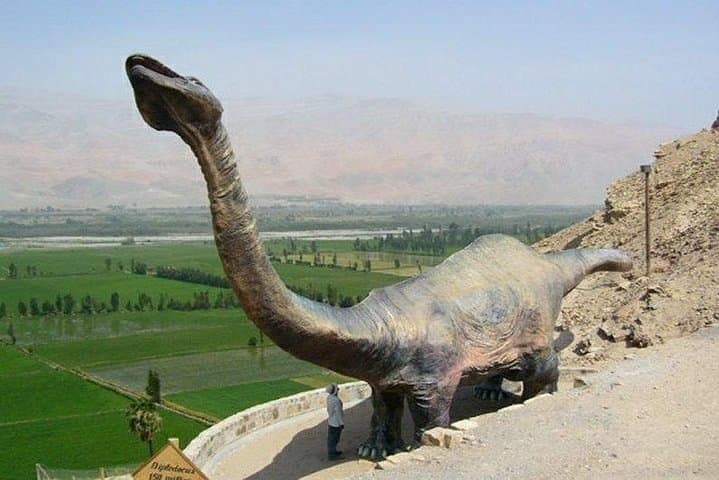
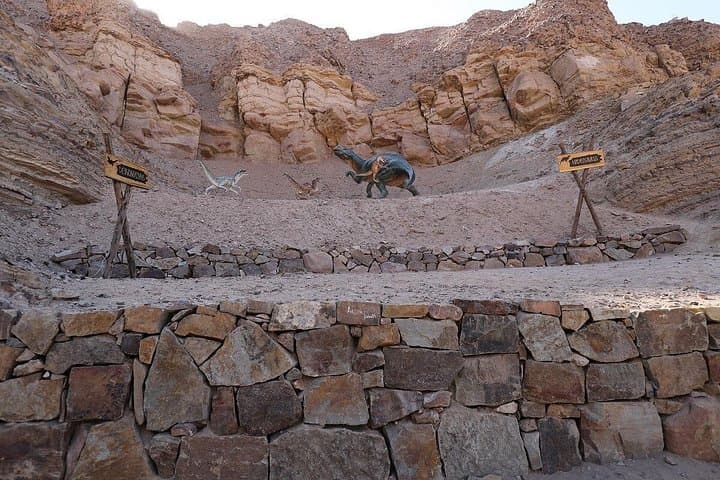
A wind-scrubbed road unfurls from Arequipa into the coastal desert, and by mid-morning the air changes—drier, sharper—while the Majes River threads green through ochre hills. On this private full-day run you move between two very different kinds of time: the etched lines of Toro Muerto’s petroglyphs and the fossilized imprints at Querullpa.
A wind-scrubbed road unfurls from Arequipa into the coastal desert, and by mid-morning the air changes—drier, sharper—while the Majes River threads green through ochre hills. On this private full-day run you move between two very different kinds of time: the etched lines of Toro Muerto’s petroglyphs and the fossilized imprints at Querullpa.
Toro Muerto’s boulder field is a hard, human-made gallery carved by pre-Inca hands; panels of stylized animals and abstract motifs are etched into volcanic rock that glints in the sun. The geology of the Majes valley—ancient ash flows and sedimentary terraces—has preserved both art and bone, and the dinosaur tracks at Querullpa sit on sandstone beds laid down when this was a river plain millions of years ago.
Culturally, the valley speaks to irrigation ingenuity: channels and terraces still shape productive farmland, and local communities keep oral histories tied to these sites. The guide will interpret iconography, spatial patterns, and why certain motifs recur here.
Practically: expect dusty, uneven walking and strong sun. The itinerary typically includes transport from Arequipa in a tourism vehicle, bilingual guiding, and site entrance. Bring sun protection, layered clothing for morning chill and afternoon heat, and sturdy shoes for rock-hopping and short walks between panels and tracks. Photography is excellent at low light—early or late in the day—while mid-day highlights textures but increases glare. This is a day of wide views and focused details: weathered stone that still tells stories, and footprints that keep time moving forward into a very different present.