THE ADVENTURE COLLECTIVE® · Independent discovery and booking for outdoor travel

Ride the train from Ollantaytambo and spend a day exploring Machu Picchu’s terraces and temples. This full-day tour combines scenic rail travel, a guided citadel walk, and free time to take in panoramic Andean views.
Ride the train from Ollantaytambo and spend a day exploring Machu Picchu’s terraces and temples. This full-day tour combines scenic rail travel, a guided citadel walk, and free time to take in panoramic Andean views.
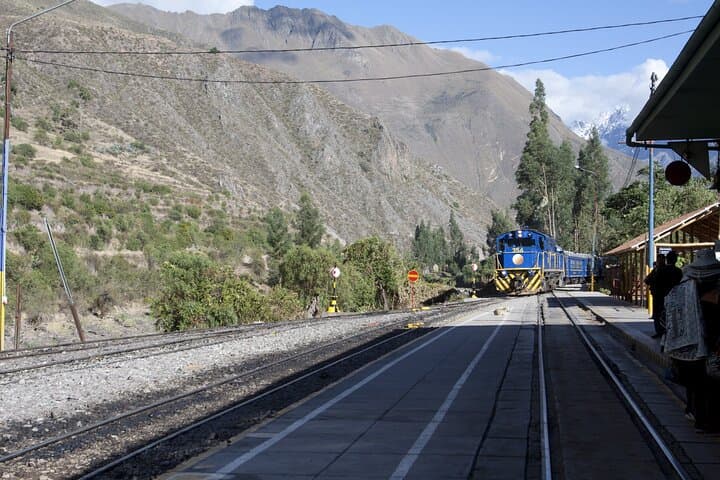
The day begins before dawn: a hotel pickup in Cusco, a bus through the terraced shoulders of the Sacred Valley, and the rattle of a train as it threads narrow canyons toward Aguas Calientes. Mountains close in like guardians; the Urubamba River below dares you to keep pace as hairpin turns reveal cloud-capped ridgelines and terraces carved by centuries of hands.
Verified experiences and guided adventures in the surrounding area.
Operated by Tangol · Aguas Calientes, Cusco Region
The day begins before dawn: a hotel pickup in Cusco, a bus through the terraced shoulders of the Sacred Valley, and the rattle of a train as it threads narrow canyons toward Aguas Calientes. Mountains close in like guardians; the Urubamba River below dares you to keep pace as hairpin turns reveal cloud-capped ridgelines and terraces carved by centuries of hands.
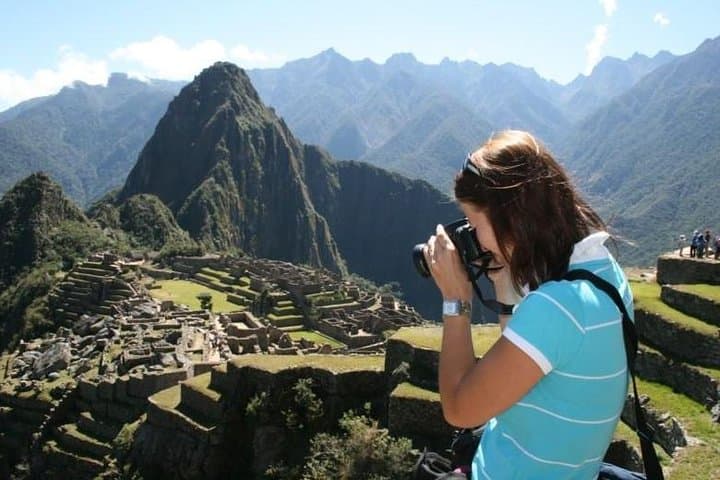
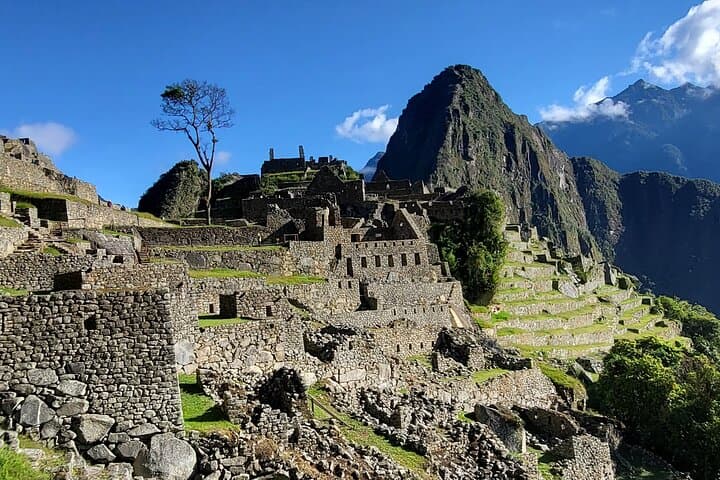
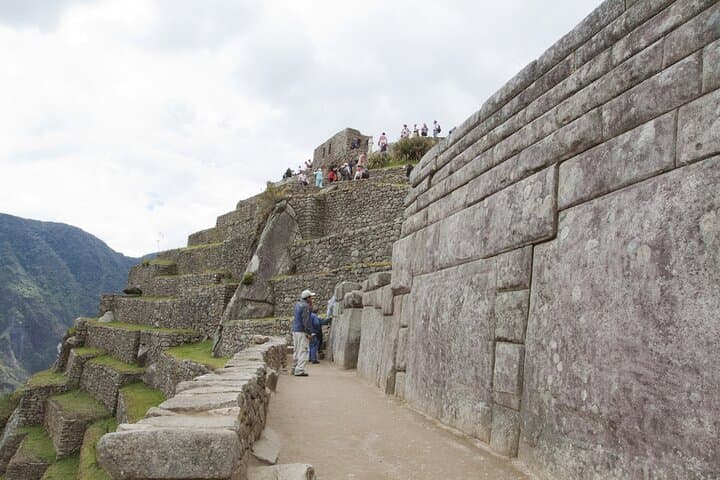
Machu Picchu — “Old Mountain” — sits on a dramatic limestone spur formed where Andean uplift met deep river erosion. Built under Pachacutec in the 15th century, the citadel’s dry-stone masonry and agricultural terraces reflect both engineering skill and spiritual geography. Rediscovered in modern times by Hiram Bingham in 1911, the site is a UNESCO World Heritage area and part of Quechua cultural landscapes still alive in nearby villages.
On a guided full-day itinerary you’ll take the Vistadome or Expedition train, ride the shuttle up to the citadel, and spend roughly two to three hours on a narrated circuit before free time to explore. Expect stairways, uneven Inca stone, and altitude effects; the optional Huayna Picchu climb requires a separate ticket. Trains limit luggage to small bags (5 kg), and booking early — especially for Vistadome or Huayna Picchu slots — is crucial.
Practical edge: acclimatize in Cusco for 24–48 hours, pack sun protection and layers, carry water and trekking shoes, and plan arrival times around mid-morning light to avoid the heaviest crowds. Respect trail closures and carry out waste — the mountain’s preservation depends on every visitor.
moderate.
12–14 hours.
Moderately fit; able to walk several kilometers over uneven stone steps and manage repeated stair climbs at high altitude.
Expect a full day—roughly 12–14 hours round-trip, including transfers, train rides, guided time in Machu Picchu, and returns.
Yes—the tour includes round-trip train tickets, bus transfers to the citadel, and entrance to Machu Picchu as specified; Huayna Picchu requires a separate permit.
The guided portion is generally suitable for a wide range of ages, but steep stairs and altitude may pose challenges—consult a physician for serious cardiac or respiratory conditions.
No—train rules typically limit baggage to a small bag (about 5 kg); larger luggage should remain in Cusco with your hotel or storage service.
Constructed in the 15th century under Inca ruler Pachacutec and largely abandoned during the Spanish conquest, Machu Picchu was brought to international attention by Hiram Bingham in 1911.
Visitor limits, designated routes, and ticketed time slots help protect fragile stonework and ecosystems; follow signs, stay on trails, and pack out waste.
Tangol operates guided outdoor trips and adventures with an emphasis on safety, stewardship, and memorable experiences.
The day begins before dawn: a hotel pickup in Cusco, a bus through the terraced shoulders of the Sacred Valley, and the rattle of a train as it threads narrow canyons toward Aguas Calientes. Mountains close in like guardians; the Urubamba River below dares you to keep pace as hairpin turns reveal cloud-capped ridgelines and terraces carved by centuries of hands.
The day begins before dawn: a hotel pickup in Cusco, a bus through the terraced shoulders of the Sacred Valley, and the rattle of a train as it threads narrow canyons toward Aguas Calientes. Mountains close in like guardians; the Urubamba River below dares you to keep pace as hairpin turns reveal cloud-capped ridgelines and terraces carved by centuries of hands.
Machu Picchu — “Old Mountain” — sits on a dramatic limestone spur formed where Andean uplift met deep river erosion. Built under Pachacutec in the 15th century, the citadel’s dry-stone masonry and agricultural terraces reflect both engineering skill and spiritual geography. Rediscovered in modern times by Hiram Bingham in 1911, the site is a UNESCO World Heritage area and part of Quechua cultural landscapes still alive in nearby villages.
On a guided full-day itinerary you’ll take the Vistadome or Expedition train, ride the shuttle up to the citadel, and spend roughly two to three hours on a narrated circuit before free time to explore. Expect stairways, uneven Inca stone, and altitude effects; the optional Huayna Picchu climb requires a separate ticket. Trains limit luggage to small bags (5 kg), and booking early — especially for Vistadome or Huayna Picchu slots — is crucial.
Practical edge: acclimatize in Cusco for 24–48 hours, pack sun protection and layers, carry water and trekking shoes, and plan arrival times around mid-morning light to avoid the heaviest crowds. Respect trail closures and carry out waste — the mountain’s preservation depends on every visitor.